 Pocket Botanist
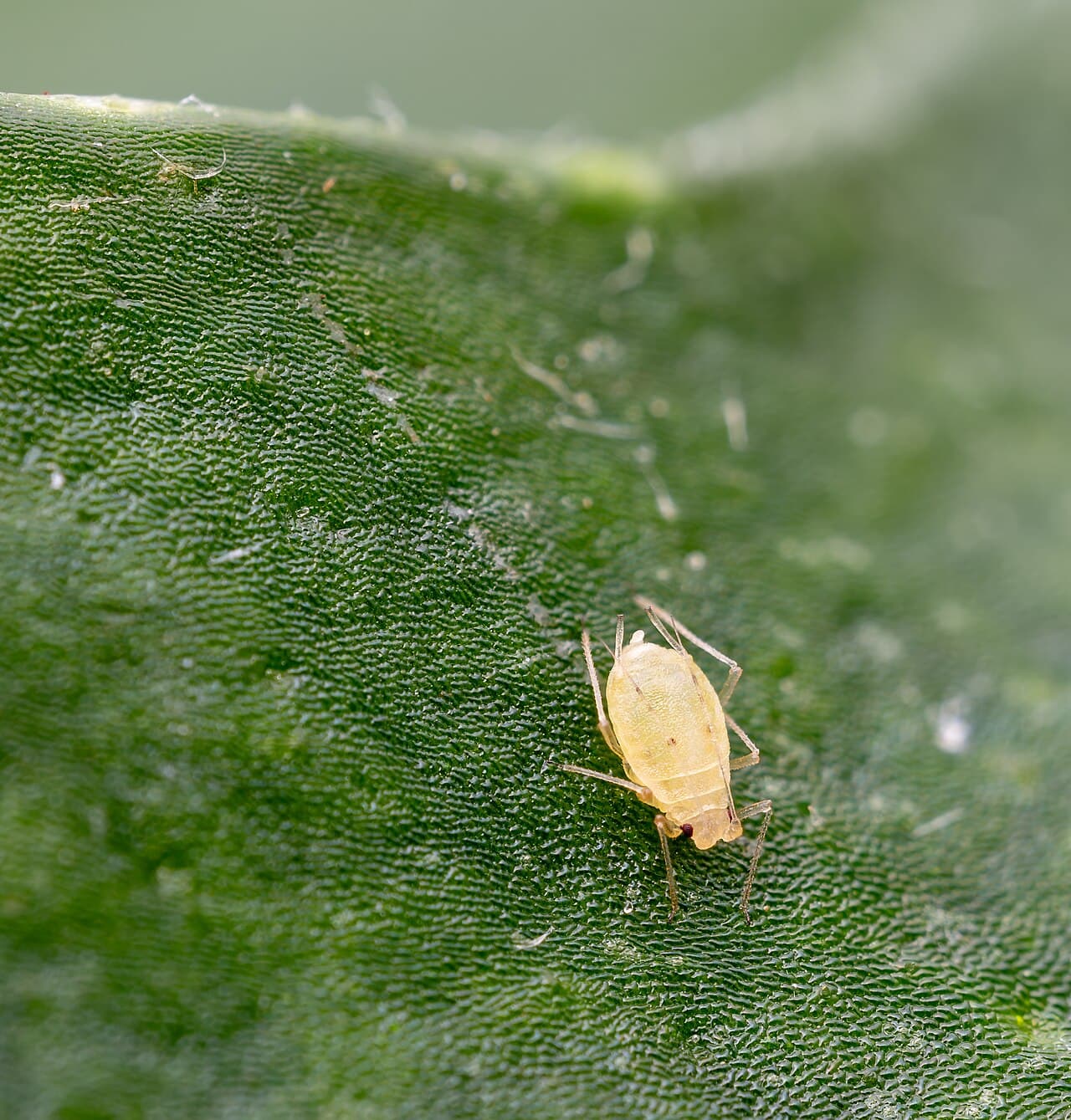

Check these first
- Look closely at the undersides of leaves with a magnifying glass.
- Check for fine webbing between the stems.
- Feel the leaves for a gritty texture.
Likely causes
Spider Mites
Most likelyHow to tell: You will see tiny white or yellow stippling dots on the leaves. Fine webbing may appear between stems or under leaves.
What to do: Wash the plant thoroughly with a gentle stream of water to knock the mites off. Follow up by spraying the leaves with neem oil or insecticidal soap every 7 days for 3 weeks.
Low Humidity
PossibleHow to tell: The leaves look dull and the plant seems stressed. Dry air makes the plant a magnet for mites.
What to do: Increase humidity by placing the plant on a tray filled with pebbles and water. You can also mist the leaves daily or use a humidifier nearby.
Find out what's wrong with your jasmine
The list above covers the usual causes. Pocket Botanist looks at a photo of your actual plant and tells you the likely cause, how serious it is, and what to try first. Identification and a health check are free.



Scan with your phone's camera to get the app
Or go to pocketbotanist.app/get on your phone
When to worry
Small numbers of mites are manageable, but heavy infestations that cause widespread leaf drop require immediate action. If the plant is completely covered in webs, it may be too late to save.
Stopping it coming back
Keep the plant healthy with regular watering and good air circulation. Wipe the leaves down with a damp cloth every few weeks to remove dust and potential pests.
Jasmine: pests? Check yours with a photo
Every plant is a little different. Take a photo of your jasmine and Pocket Botanist tells you which cause is most likely, how serious it is, and what to try first. A few checks a day are free. Save the plant and you get care reminders timed for it.
Scan with your phone's camera to get the app
Or go to pocketbotanist.app/get on your phone
Get the app · Or check it from a photo now, free
Questions people ask
- Are spider mites harmful to humans?
- No, spider mites are harmless to people and pets. They only feed on plant sap.
- Should I isolate the plant?
- Yes, move the infested plant away from your other houseplants immediately. Mites spread easily by crawling or being carried by air currents.
Guides to these causes
More problems with Jasmine
- Why are my Arabian Jasmine leaves turning yellow?
- Why is my Arabian Jasmine dropping its leaves?
- Why is my Arabian Jasmine not blooming?
- Why is my Arabian Jasmine growing so leggy?
- Is my Arabian Jasmine suffering from root rot?
- Why are my Arabian Jasmine leaf tips turning brown?
- Why is my Arabian Jasmine drooping?
- Why are there spots on my Arabian Jasmine leaves?
- Why are my Arabian Jasmine leaves curling?
This article was generated with AI on from the plant’s care profile and is general information, not horticultural advice. Read about how we build these guides.