 Pocket Botanist
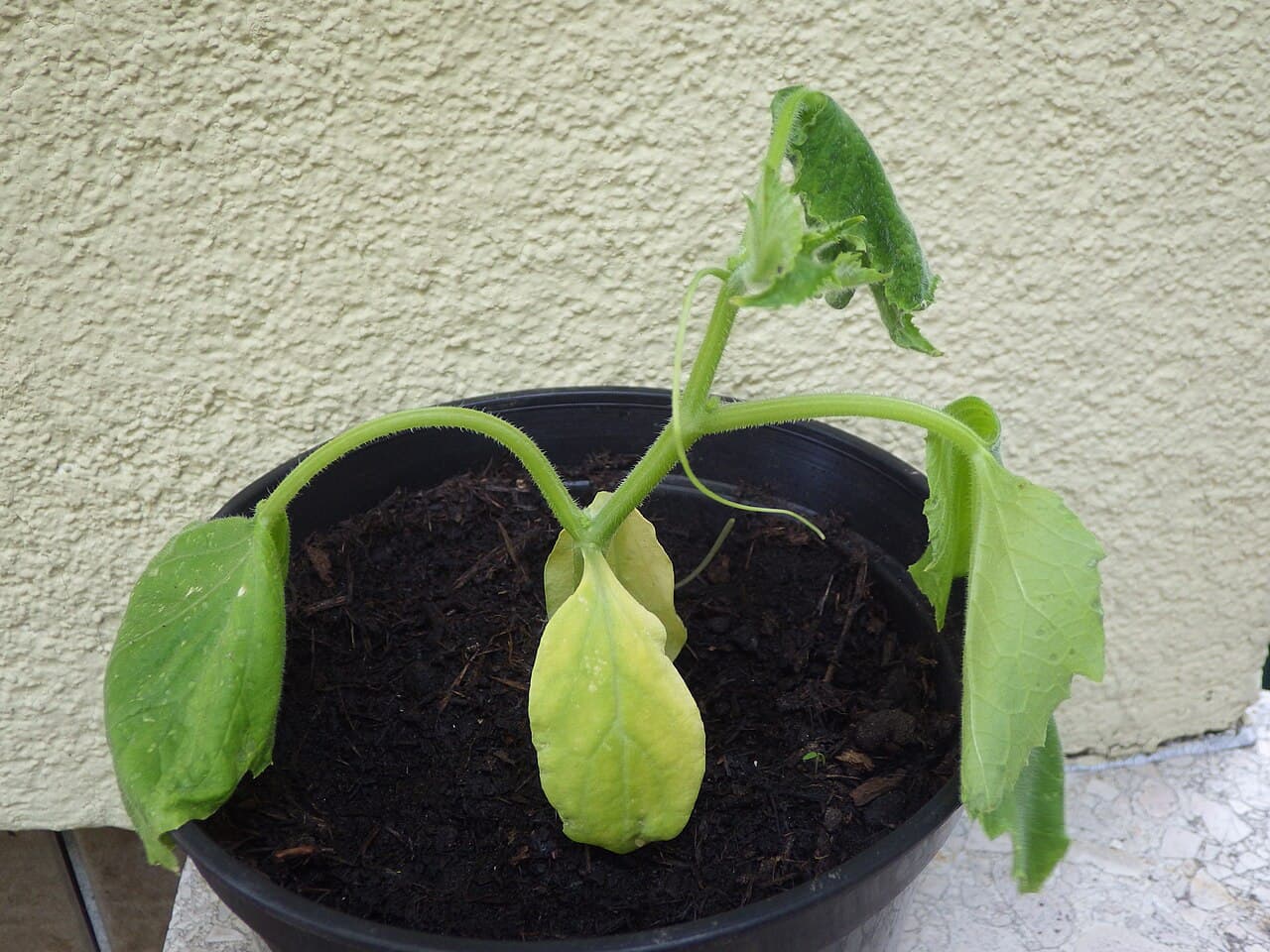

Check these first
- Check the soil moisture at the base of the plant.
- Inspect the base of the stems for signs of tunneling or larvae.
- Look for chewed leaf edges that might indicate pests.
Likely causes
Iris Borer
Most likelyHow to tell: The leaves wilt and droop, and you may see chewed edges or slimy tunnels at the base of the stems. This is caused by larvae boring into the rhizome.
What to do: Dig up the affected rhizome and remove any larvae you find. Destroy the damaged plant parts and replant healthy sections in fresh soil.
Underwatering
PossibleHow to tell: The leaves look limp and dry, especially during hot, windy weather. The soil around the base feels dusty and dry to the touch.
What to do: Water the plant deeply, ensuring the soil is moist at least 6 inches down. Maintain a consistent watering schedule of every 7 to 14 days.
Find out what's wrong with your siberian iris
The list above covers the usual causes. Pocket Botanist looks at a photo of your actual plant and tells you the likely cause, how serious it is, and what to try first. Identification and a health check are free.



Scan with your phone's camera to get the app
Or go to pocketbotanist.app/get on your phone
When to worry
Drooping that does not recover after a deep watering is a major red flag. If the rhizome feels mushy or hollow, the plant is likely infested or rotting.
Stopping it coming back
Keep the garden bed free of debris and monitor for borer activity in early spring when the larvae are active.
Siberian iris: drooping? Check yours with a photo
Every plant is a little different. Take a photo of your siberian iris and Pocket Botanist tells you which cause is most likely, how serious it is, and what to try first. A few checks a day are free. Save the plant and you get care reminders timed for it.
Scan with your phone's camera to get the app
Or go to pocketbotanist.app/get on your phone
Get the app · Or check it from a photo now, free
Questions people ask
- Can the plant recover from borer damage?
- If caught early, you can save the plant by removing the larvae and the damaged parts of the rhizome. If the damage is extensive, it is best to remove the plant entirely.
- How do I know if it is just thirsty?
- If the plant perks up within a few hours of watering, it was likely just thirsty. If it stays wilted, you have a more serious issue like pests or root damage.
Guides to these causes
More problems with Siberian iris
- Why is my Siberian Iris not flowering?
- Why are there spots on my Siberian Iris leaves?
- Why are there holes in my Siberian iris leaves?
- Why are my Siberian iris leaves turning yellow?
- Why are my Siberian iris leaf tips turning brown?
- Why is my Siberian iris rotting at the base?
- Why is my Siberian iris growing tall and floppy?
Back to the Siberian iris guide
This article was generated with AI on from the plant’s care profile and is general information, not horticultural advice. Read about how we build these guides.