 Pocket Botanist

Check these first
- Dig down to inspect the root color.
- Check how long water stays on the surface after rain.
- Smell the soil for a sour or rotten odor.
Likely causes
Black Root Rot
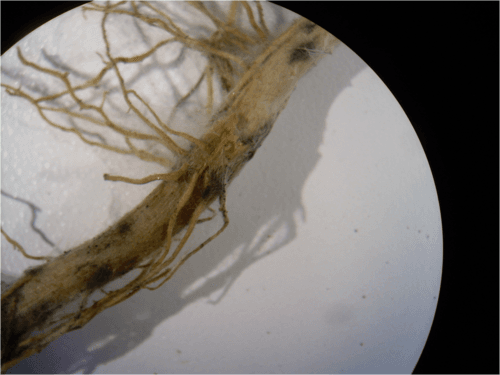
Most likelyHow to tell: The plant wilts during the day and fails to recover at night. Roots will appear black, slimy, and brittle instead of firm and white.
What to do: If the infection is severe, remove the plant and the surrounding soil. Improve drainage in the area before replanting anything else.
Poor Drainage
PossibleHow to tell: Water pools around the base of the plant for hours after rain. The soil feels dense and heavy like clay.
What to do: Amend the soil with organic matter to improve aeration. If the site is too wet, consider transplanting the holly to a raised bed or a higher location.
Find out what's wrong with your japanese holly
The list above covers the usual causes. Pocket Botanist looks at a photo of your actual plant and tells you the likely cause, how serious it is, and what to try first. Identification and a health check are free.



Scan with your phone's camera to get the app
Or go to pocketbotanist.app/get on your phone
When to worry
Root rot is very serious and often fatal for Japanese holly. If the roots are mostly black and mushy, the plant cannot be saved.
Stopping it coming back
Always plant in well draining soil and avoid overwatering. Never plant your holly deeper than it was in its nursery container.
Japanese holly: root rot? Check yours with a photo
Every plant is a little different. Take a photo of your japanese holly and Pocket Botanist tells you which cause is most likely, how serious it is, and what to try first. A few checks a day are free. Save the plant and you get care reminders timed for it.
Scan with your phone's camera to get the app
Or go to pocketbotanist.app/get on your phone
Get the app · Or check it from a photo now, free
Questions people ask
- Can I save a plant with root rot?
- If only a small portion of the roots are affected, you can try to improve drainage and reduce water. However, most plants with advanced rot will not recover.
- Is this contagious to other plants?
- Yes, the fungus can live in the soil and spread to other susceptible plants. Avoid planting new hollies in the same spot.
More problems with Japanese holly
- Why are my Japanese holly leaves turning yellow?
- What is eating my Japanese holly leaves?
- Why is my Japanese holly drooping?
- Why are my Japanese holly leaf tips turning brown?
- Why is my Japanese holly dropping leaves?
- Why are there spots on my Japanese holly leaves?
- Why is my Japanese holly looking leggy?
- Why are my Japanese holly leaves curling?
Back to the Japanese holly guide
This article was generated with AI on from the plant’s care profile and is general information, not horticultural advice. Read about how we build these guides.