 Pocket Botanist
Plant guide
Zebra Haworthia.
Haworthia fasciata
Pronounced hah-wor-thee-OP-sis fah-see-AH-tah
Also known as Haworthia fasciata, zebra haworthia



Scan with your phone's camera to get the app
Or go to pocketbotanist.app/get on your phone
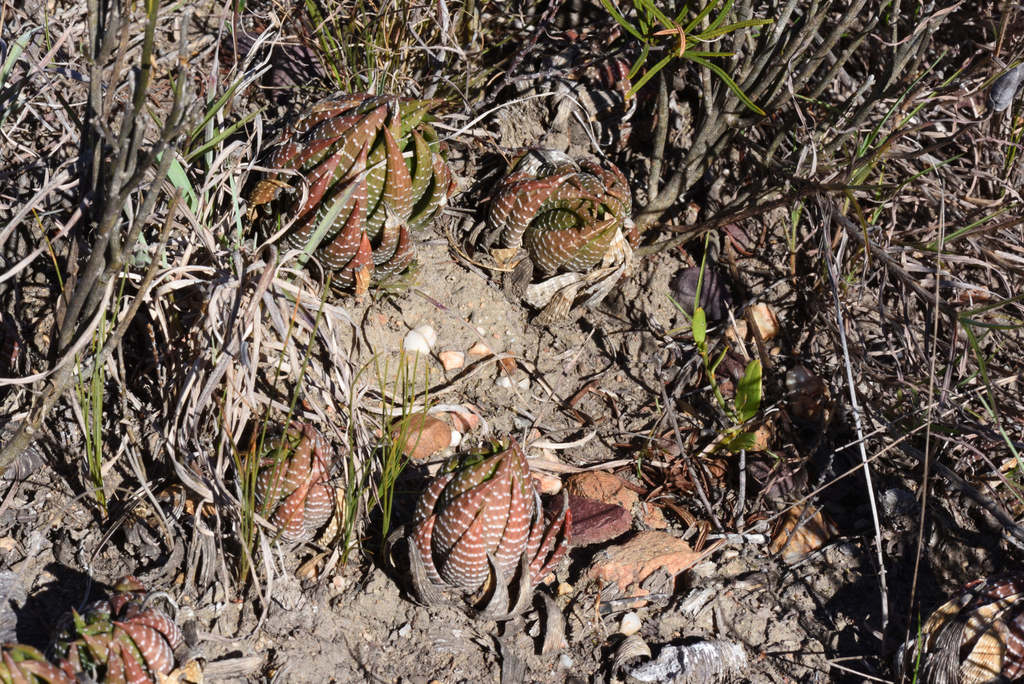
The Zebra Haworthia is a charming, slow growing succulent that features striking white horizontal stripes on its dark green leaves. It is a perfect choice for small pots or sunny windowsills. This plant is quite resilient and prefers to be left alone rather than fussed over.
At a glance
- Care level
- Easy
- Plant type
- Succulent
- Light
- Bright indirect light
- Indoor light
- Bright indirect
- Water
- Every 14 to 21 days
- Mature size
- 15 cm tall by 15 cm wide
- Growth rate
- Slow
- Hardiness
- USDA 9 to 11
- Bloom time
- Late spring to summer
Care
Plant your succulent in well draining soil and ensure the pot has drainage holes to prevent root rot. Allow the soil to dry out completely between waterings, as overwatering is the most common cause of decline. Watch for mushy leaves or a darkening base, which are clear signs of too much moisture.
- Watering
- Wait until the soil is completely dry before watering deeply.
- Feeding
- Feed sparingly with a balanced liquid fertilizer during the spring and summer.
- Pruning
- Only remove dead or shriveled leaves at the base as needed.
- Repotting
- Repot only when the plant has clearly outgrown its container.
- Soil
- Cactus and succulent mix
- Soil pH
- 6.0 to 7.5
- Temperature
- 5 to 30°C
- Humidity
- 20 to 50%
- Drought tolerance
- High
- Lifespan
- Perennial, typically 10 to 20 years
- Deer and rabbits
- High
Signs it needs repotting
- Roots growing out of the drainage holes
- The plant has produced many offsets that crowd the pot
- Soil no longer absorbs water well
Safety
- People
- It is generally considered non-toxic to humans, but ingestion is not recommended.
- Pets
- This plant is generally considered non toxic to cats and dogs.
- Children
- Keep this plant away from small children as the sharp leaf tips can cause minor scratches.
- Contact allergens
- The stiff, pointed leaf tips can cause minor mechanical skin irritation.
- Airborne allergens
- There are no known significant respiratory allergens associated with this plant.
- Edibility
- This plant is not considered edible and may cause gastrointestinal distress if consumed.
How to identify it
- Dark green fleshy triangular leaves
- Prominent white horizontal tubercles
- Compact rosette growth habit
- Fibrous roots
- Small tubular flowers on long stalks
- Height
- 0.1 to 0.15m
- Spread
- 0.1 to 0.15m
- Leaves
- dark green, white, evergreen
- Flowers
- white, green, 1 to 2cm
Problems to watch for
- MealybugsCommon
- Root RotCommon
- DehydrationUncommon
- Fungus GnatsUncommon
- Scale InsectsUncommon
Check your zebra haworthia from a photo
Pocket Botanist looks at a photo of your plant and tells you what's wrong and what to try first.
Scan with your phone's camera to get the app
Or go to pocketbotanist.app/get on your phone
Growing it
- Propagation
- division, offsets
- When to plant
- spring, summer
- Overwintering
- Move the plant indoors before temperatures drop below 5°C (41°F). Keep it in a bright spot and reduce watering significantly during the winter months.
- In containers
- It is an excellent container plant that prefers a snug pot with drainage holes.
Offset Division
- 1. Gently remove the plant from its pot.
- 2. Carefully detach the small offsets from the base of the parent plant.
- 3. Let the offsets dry for a day to callous over.
- 4. Plant them in a small pot with well draining succulent soil.
- 5. Wait a week before watering to allow roots to establish.
Group succulents with similar water needs together to prevent overwatering the more drought tolerant ones.
Grows well with
- Gasteria · They share similar light and water requirements.
- Jade Plant · Both thrive in the same well draining soil conditions.
Similar species
- Zebra Haworthia · It looks very similar but has tubercles on both sides of the leaves.
Science
- Family
- Asphodelaceae
- Genus
- Haworthiopsis
- Order
- Asparagales
- Class
- Liliopsida
- Native range
- Eastern Cape, South Africa
- Conservation
- It is not currently listed as endangered, but wild collection should always be avoided.
It grows in rocky, well drained soils where it benefits from partial shade provided by larger shrubs.
- Value to wildlife
- nectar source
- Pollinators
- bees
- Uses
- houseplant, succulent collection, rock garden
Through the year
Ecological indicators
- Salinity
- 1/9
- Soil reaction
- 6/9
- Moisture
- 2/9
- Nutrients
- 2/9
- Light
- 6/9
- Temperature
- 7/9
Taxonomy resolved against GBIF.
Questions people ask
- How often should I water it?
- Water only when the soil has completely dried out, usually every 2 to 3 weeks.
- Does it need direct sun?
- It prefers bright, indirect light rather than harsh, direct afternoon sun.
Where the name comes from
The genus name Haworthiopsis honors the British botanist Adrian Hardy Haworth, while fasciata describes the banded pattern on the leaves.
Good to know
- It is often confused with Aloe vera, but it stays much smaller.
- The plant is native to the Eastern Cape province of South Africa.
- It is a slow growing plant that can live for many years in a pot.
- The name fasciata refers to the banded appearance of the leaves.
Also in
Keep your zebra haworthia growing
This page is a general guide. Save your plant in Pocket Botanist and you get care reminders timed for this plant, plus a care history that shows what worked.
Scan with your phone's camera to get the app
Or go to pocketbotanist.app/get on your phone
This guide was generated with AI on and checked against GBIF taxonomy. It is general information, not horticultural or veterinary advice. Read about how we build these guides.