 Pocket Botanist
Plant guide
White Ash.
Fraxinus americana
Pronounced FRASH-in-us uh-mer-ih-KAH-nuh
Also known as American ash, White Ash, cane ash



Scan with your phone's camera to get the app
Or go to pocketbotanist.app/get on your phone
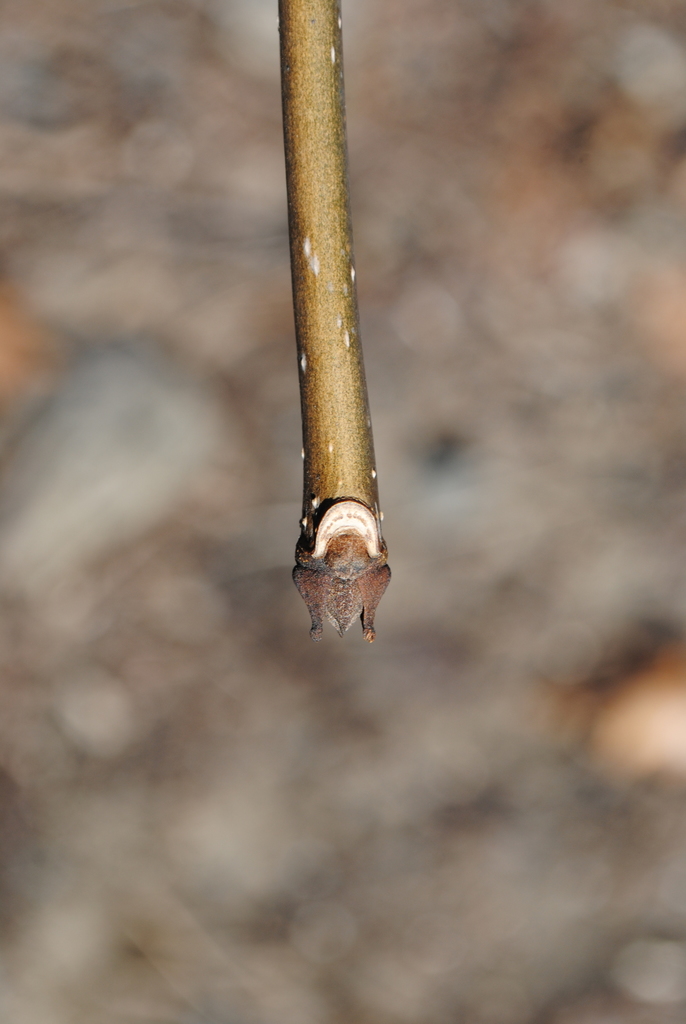
The white ash is a stately deciduous tree known for its strong wood and beautiful fall color. It thrives in deep, moist, well drained soils across eastern North America. You will love how its compound leaves turn shades of purple and gold in the autumn.
At a glance
- Care level
- Easy
- Plant type
- Deciduous tree
- Light
- Full sun
- Indoor light
- Direct sun
- Water
- Every 7 to 14 days
- Mature size
- 50 to 80 feet
- Growth rate
- Fast
- Hardiness
- USDA 3 to 9
- Bloom time
- Mid to late spring
Care
Plant this tree in a spot with plenty of room for its roots to spread. Keep an eye out for signs of the emerald ash borer, which is a serious pest for this species. Ensure it gets consistent moisture while it is getting established in your landscape.
- Watering
- Water deeply during dry spells to keep the root zone consistently moist.
- Feeding
- Apply a balanced fertilizer in early spring before new growth begins.
- Pruning
- Prune during the dormant winter season to remove dead or crossing branches.
- Repotting
- This tree is meant for outdoor planting and does not require repotting.
- Soil
- Rich, moist, well drained soil
- Soil pH
- 6.0 to 7.5
- Temperature
- -35 to 35°C
- Humidity
- 40 to 70%
Safety
- People
- There is no significant toxicity reported for humans.
- Children
- The samara seeds can be a choking hazard for small children if ingested.
- Contact allergens
- The bark or leaves may cause mild skin irritation in sensitive individuals.
- Airborne allergens
- The windborne pollen is a significant allergen for many people during the spring season.
- Edibility
- The seeds and leaves are not considered edible for humans.
How to identify it
- Opposite, compound leaves with seven leaflets
- Diamond shaped ridges on mature bark
- Oar shaped samara seeds
- Sturdy, upright branching habit
- Height
- 15 to 25m
- Spread
- 10 to 18m
- Leaves
- green, purple, yellow, deciduous
- Flowers
- green, purple, 0.5 to 1cm
- Fruit
- tan, brown, Autumn
Problems to watch for
- Emerald Ash Borer · An invasive beetle that bores into the tree and eventually kills it.
Check your white ash from a photo
Pocket Botanist looks at a photo of your plant and tells you what's wrong and what to try first.
Scan with your phone's camera to get the app
Or go to pocketbotanist.app/get on your phone
Growing it
- Propagation
- seed
- When to plant
- Spring, Autumn
Plant these trees in areas with ample space to accommodate their large mature size.
Grows well with
- Sugar Maple · They share similar soil and moisture requirements in forest settings.
- American Beech · These trees often grow together in mature hardwood forests.
Similar species
- Green Ash · It is a closely related species that also suffers from similar pest issues.
Science
- Family
- Oleaceae
- Genus
- Fraxinus
- Order
- Lamiales
- Class
- Magnoliopsida
- Native range
- Eastern and central North America.
- Conservation
- This species is currently threatened by the emerald ash borer, an invasive insect that has devastated wild populations.
It thrives in rich, moist, well drained soils and often grows as a canopy tree in deciduous forests.
- Value to wildlife
- larval host plant, seeds provide food for birds
- Pollinators
- bees, butterflies
- Uses
- shade tree, timber production, wildlife habitat
Through the year
Ecological indicators
- Salinity
- 2/9
- Soil reaction
- 6/9
- Light
- 7/9
- Temperature
- 5/9
- Moisture
- 6/9
- Nutrients
- 6/9
Taxonomy resolved against GBIF.
Questions people ask
- Is it safe to plant a white ash tree today?
- Due to the emerald ash borer, it is generally not recommended to plant new white ash trees unless you are prepared to treat them with insecticides.
- How fast does it grow?
- It is a fast growing tree that can add several feet of height per year when young.
Where the name comes from
The name Fraxinus is the classical Latin name for ash trees, while americana refers to its native range in the Americas.
Good to know
- White ash trees can live for over 200 years in ideal conditions.
- The leaves turn a beautiful purple or yellow color in the autumn.
- It is one of the most important timber trees in North America.
Keep your white ash growing
This page is a general guide. Save your plant in Pocket Botanist and you get care reminders timed for this plant, plus a care history that shows what worked.
Scan with your phone's camera to get the app
Or go to pocketbotanist.app/get on your phone
This guide was generated with AI on and checked against GBIF taxonomy. It is general information, not horticultural or veterinary advice. Read about how we build these guides.