 Pocket Botanist
Plant guide
Alder buckthorn.
Frangula alnus
Pronounced fran-GOO-luh AL-nus
Also known as Alder Buckthorn, Breaking Buckthorn, European alder buckthorn, Frangula, Glossy Buckthorn, Glossy False-Buckthorn



Scan with your phone's camera to get the app
Or go to pocketbotanist.app/get on your phone

The alder buckthorn is a lovely deciduous shrub that thrives in damp, woodland settings. It is a fantastic choice for supporting local wildlife, especially bees and butterflies. You will enjoy its subtle beauty throughout the changing seasons.
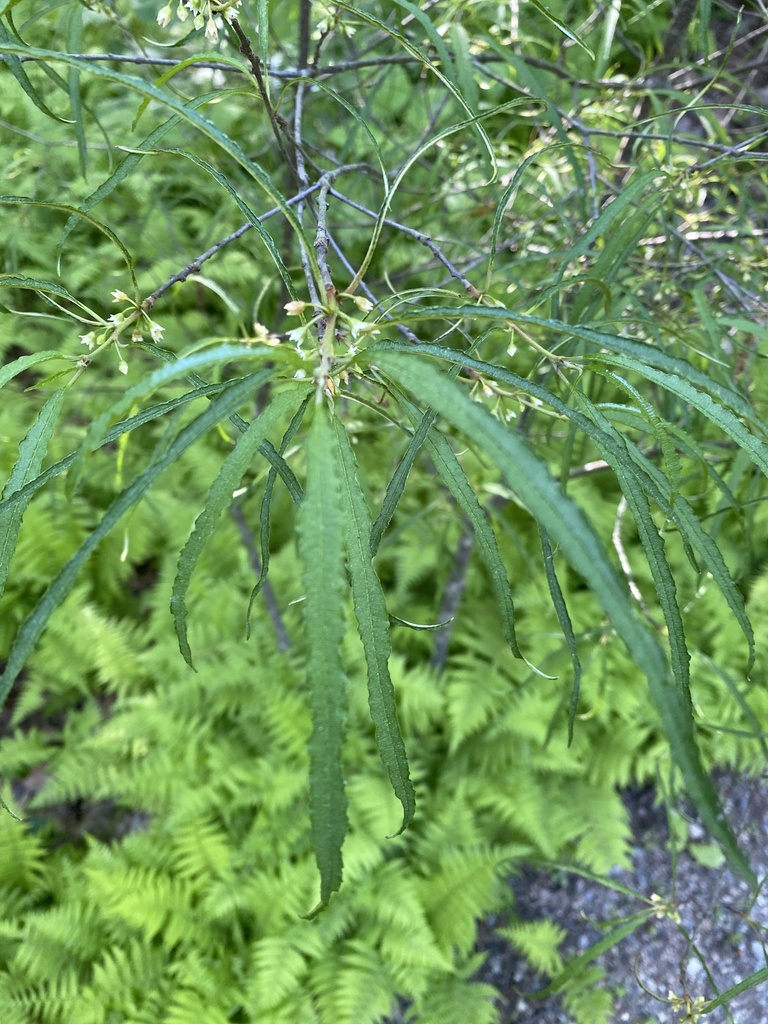
At a glance
- Care level
- Easy
- Plant type
- Deciduous shrub
- Light
- Full sun to partial shade
- Indoor light
- Bright indirect
- Water
- Every 5 to 10 days
- Mature size
- 15 feet
- Growth rate
- Medium
- Hardiness
- USDA 3 to 8
- Bloom time
- Late spring to early summer
Care
Keep the soil consistently moist as this plant prefers damp conditions. Watch for yellowing leaves which might signal that the soil is drying out too much. Prune it lightly in late winter or early spring to maintain a nice shape.
- Watering
- Keep the soil evenly moist but not waterlogged.
- Feeding
- Apply a balanced fertilizer once in early spring.
- Pruning
- Prune in late winter or early spring to remove dead wood.
- Repotting
- Repot only when the plant becomes root bound in its container.
- Soil
- Moist, acidic, well-draining soil
- Soil pH
- Acidic to neutral
- Temperature
- -30 to 35°C
- Humidity
- 40 to 80%
Safety
- People
- All parts of the plant, especially the bark and berries, are toxic if ingested.
- Pets
- This plant is considered toxic to pets if ingested, so keep it away from curious cats and dogs.
- Children
- Keep children away from the berries as they are poisonous if eaten.
- Contact allergens
- The sap may cause mild skin irritation in sensitive individuals.
- Airborne allergens
- The pollen is not considered a significant allergen.
- Edibility
- The berries are considered toxic and should not be consumed by humans.
How to identify it
- Glossy dark green oval leaves
- Small greenish white spring flowers
- Dark purple to black berries
- Smooth gray bark with lenticels
- Height
- 2 to 6m
- Spread
- 2 to 4m
- Leaves
- green, deciduous
- Flowers
- greenish-white, 0.5 to 0.8cm
- Fruit
- red, black, Late summer to autumn
Problems to watch for
- Rust · A fungal infection that causes orange spots on leaves.
Check your alder buckthorn from a photo
Pocket Botanist looks at a photo of your plant and tells you what's wrong and what to try first.
Scan with your phone's camera to get the app
Or go to pocketbotanist.app/get on your phone
Growing it
- Propagation
- seed, cuttings
- When to plant
- spring, autumn
Plant in areas where you want to support local bird populations with fruit.
Grows well with
- European Alder · They share similar moisture requirements in wild habitats.
Similar species
- Common Buckthorn · It is a closely related species that is also considered invasive.
Science
- Family
- Rhamnaceae
- Genus
- Frangula
- Order
- Rosales
- Class
- Magnoliopsida
- Native range
- Europe, western Asia, and northern Africa.
- Conservation
- It is considered invasive in some parts of North America, so check local regulations before planting.
It thrives in damp soils and is often found in scrubland or forest edges.
- Value to wildlife
- nectar source, bird food source
- Pollinators
- bees
- Uses
- hedging, wildlife garden, charcoal production
Through the year
Ecological indicators
- Salinity
- 2/9
- Soil reaction
- 5/9
- Light
- 5/9
- Temperature
- 5/9
- Moisture
- 7/9
- Nutrients
- 5/9
Taxonomy resolved against GBIF.
Questions people ask
- Is it invasive?
- Yes, it is highly invasive in many North American wetlands and forests.
- Does it need full sun?
- It tolerates full sun to partial shade.
Where the name comes from
The name Frangula comes from the Latin frangere, meaning to break, referring to the brittle nature of the wood.
Good to know
- It is also known as alder buckthorn.
- The berries change color from red to black as they ripen.
- It is a host plant for the brimstone butterfly in its native range.
Also in
Keep your alder buckthorn growing
This page is a general guide. Save your plant in Pocket Botanist and you get care reminders timed for this plant, plus a care history that shows what worked.
Scan with your phone's camera to get the app
Or go to pocketbotanist.app/get on your phone
This guide was generated with AI on and checked against GBIF taxonomy. It is general information, not horticultural or veterinary advice. Read about how we build these guides.