 Pocket Botanist
Plant guide
Fig.
Ficus elastica 'Burgundy' L.
Pronounced FY-kus
Also known as Ficus elastica 'Burgundy', Banyans, Fig, Figs



Scan with your phone's camera to get the app
Or go to pocketbotanist.app/get on your phone
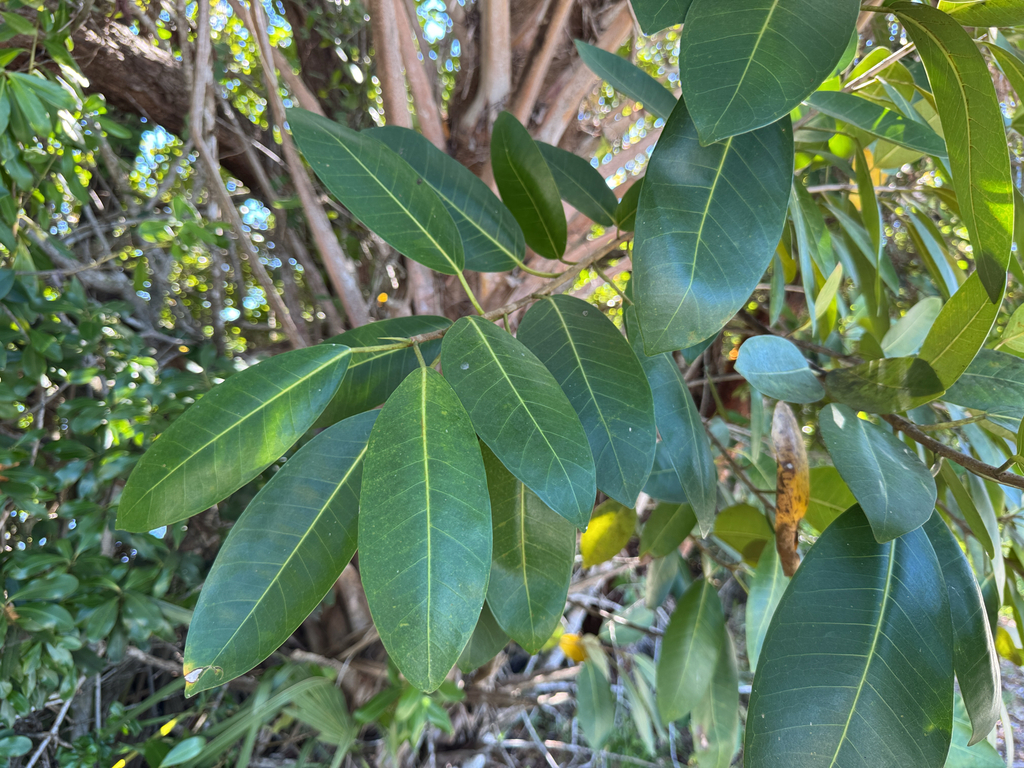
The Ficus genus includes a wide variety of plants ranging from small shrubs to massive trees. They are popular houseplants known for their glossy foliage and structural presence. These plants prefer consistency and do not like being moved around once they settle in.

At a glance
- Care level
- Moderate
- Plant type
- Tropical tree or shrub
- Light
- Bright, indirect light is best for most indoor species.
- Indoor light
- Bright indirect
- Water
- Every 7 to 14 days
- Mature size
- 3 to 10 feet indoors
- Growth rate
- Medium
- Hardiness
- USDA 10 to 12
- Bloom time
- Rarely blooms indoors
Care
Keep your plant in a spot with stable temperatures away from drafts or heating vents. Check the soil moisture by feeling the top inch of dirt before you add more water. Watch for yellowing leaves or sudden leaf drop, which often signal that the plant is stressed by environmental changes.
- Watering
- Allow the top half of the soil to dry out between waterings.
- Feeding
- Feed with a balanced liquid fertilizer during the active growing season.
- Pruning
- Trim back long branches to maintain shape and encourage bushier growth.
- Repotting
- Move to a slightly larger pot only when the roots become crowded.
- Soil
- Well draining, peat based potting mix
- Soil pH
- 6.0 to 6.5
- Temperature
- 15 to 29°C
- Humidity
- 40 to 70%
Safety
- People
- The milky sap contains latex that can cause skin irritation and is toxic if ingested.
- Pets
- Ficus plants contain sap that is toxic to cats and dogs if ingested or touched.
- Children
- Keep this plant out of reach of children as the sap is irritating and the leaves are toxic if swallowed.
- Contact allergens
- The milky sap can cause contact dermatitis in sensitive individuals.
- Airborne allergens
- The plant may trigger allergic reactions in people with latex sensitivities.
- Edibility
- The sap and leaves are not for human consumption.
How to identify it
- Glossy, leathery leaves
- Milky white sap when cut
- Woody, branching stems
- Simple, alternate leaf arrangement
- Height
- 1 to 3m
- Spread
- 0.5 to 1.5m
- Leaves
- green, variegated, evergreen
- Flowers
- white, green, 0 to 1cm
- Fruit
- red, orange, Rarely fruits indoors
Problems to watch for
- Leaf DropCommon
- Spider MitesCommon
- MealybugsUncommon
- Root RotUncommon
- Scale InsectsUncommon
- Sooty MoldUncommon
Check your fig from a photo
Pocket Botanist looks at a photo of your plant and tells you what's wrong and what to try first.
Scan with your phone's camera to get the app
Or go to pocketbotanist.app/get on your phone
Growing it
- Propagation
- cuttings, air layering
- When to plant
- spring, summer
Group plants with similar water needs to make maintenance easier.
Grows well with
- Peace Lily · They share similar light and moisture requirements.
- Philodendron · They thrive in the same indoor conditions.
Similar species
- Rubber Plant · It is a related species with larger, thicker leaves.
- Fiddle Leaf Fig · It shares the same genus and general care needs.
Science
- Family
- Moraceae
- Genus
- Ficus
- Order
- Rosales
- Class
- Magnoliopsida
- Native range
- Tropical and subtropical regions of Asia, Australia, Africa, the Americas and the Pacific islands.
- Conservation
- Not currently of conservation concern.
In its native habitat, it grows as a large tree that provides food and shelter for various tropical wildlife.
- Value to wildlife
- provides shelter for small insects
- Pollinators
- wasps
- Uses
- indoor accent, air purification, topiary
Through the year
Ecological indicators
- Salinity
- 2/9
- Soil reaction
- 6/9
- Light
- 6/9
- Temperature
- 8/9
- Moisture
- 5/9
- Nutrients
- 5/9
Taxonomy resolved against GBIF.
Questions people ask
- Why is my Ficus dropping leaves?
- It is likely reacting to a change in light, temperature, or location.
- How often should I water it?
- Water when the top few centimeters of soil feel dry.
Where the name comes from
The genus name Ficus is the Latin word for fig, while benjamina refers to the specific species.
Good to know
- Ficus trees are known for their ability to clean indoor air.
- They are very sensitive to drafts and temperature changes.
- The weeping fig is a popular choice for bonsai training.
Also in
Keep your fig growing
This page is a general guide. Save your plant in Pocket Botanist and you get care reminders timed for this plant, plus a care history that shows what worked.
Scan with your phone's camera to get the app
Or go to pocketbotanist.app/get on your phone
This guide was generated with AI on and checked against GBIF taxonomy. It is general information, not horticultural or veterinary advice. Read about how we build these guides.