 Pocket Botanist
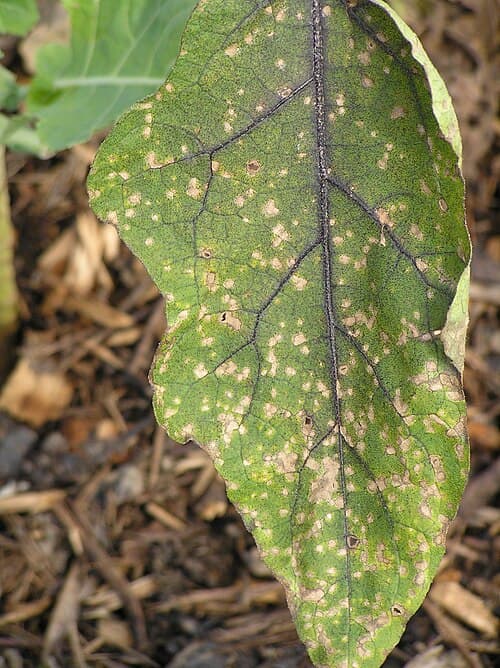

Check these first
- Look for fuzzy gray mold on the leaves.
- Check if the soil is staying wet for too long.
- Ensure there is good airflow around the plant.
Likely causes
Botrytis blight
Most likelyHow to tell: You will see gray, fuzzy fungal growth or brown, irregular spots on leaves and flowers.
What to do: Remove all affected leaves and flowers immediately to stop the spread. Improve air circulation around the plant and keep the foliage dry when watering.
Overwatering
PossibleHow to tell: Leaves develop yellow or brown water soaked spots due to poor root health.
What to do: Allow the soil to dry out more between waterings. Ensure the pot has proper drainage and is not sitting in a saucer of water.
Find out what's wrong with your lisianthus
The list above covers the usual causes. Pocket Botanist looks at a photo of your actual plant and tells you the likely cause, how serious it is, and what to try first. Identification and a health check are free.



Scan with your phone's camera to get the app
Or go to pocketbotanist.app/get on your phone
When to worry
If the spots are spreading rapidly across the entire plant, it is a serious fungal infection that requires immediate pruning.
Stopping it coming back
Water only at the base of the plant to keep leaves dry and provide plenty of space between plants for air to move.
Lisianthus: spots? Check yours with a photo
Every plant is a little different. Take a photo of your lisianthus and Pocket Botanist tells you which cause is most likely, how serious it is, and what to try first. A few checks a day are free. Save the plant and you get care reminders timed for it.
Scan with your phone's camera to get the app
Or go to pocketbotanist.app/get on your phone
Get the app · Or check it from a photo now, free
Questions people ask
- Can I save a plant with Botrytis?
- You can save it if you catch it early by removing the infected parts and improving ventilation. If the fungus has reached the main stem, the plant may not survive.
- Do I need a fungicide?
- Usually, better airflow and removing infected parts are enough. Fungicides are a last resort for severe cases.
Guides to these causes
More problems with Lisianthus
- Why is my lisianthus drooping?
- Why are there bugs on my lisianthus?
- Why are my Lisianthus leaves turning yellow?
- Why is my Lisianthus not producing flowers?
- How do I fix root rot in my Lisianthus?
- Why are my Lisianthus leaf tips turning brown?
- Why is my Lisianthus losing its leaves?
- Why is my Lisianthus growing tall and leggy?
- Why are my Lisianthus leaves curling?
This article was generated with AI on from the plant’s care profile and is general information, not horticultural advice. Read about how we build these guides.