 Pocket Botanist
Plant guide
Pineapple lily.
Eucomis comosa
Pronounced yoo-KOH-miss koh-MOH-suh
Also known as Crown Pineapple Lily



Scan with your phone's camera to get the app
Or go to pocketbotanist.app/get on your phone
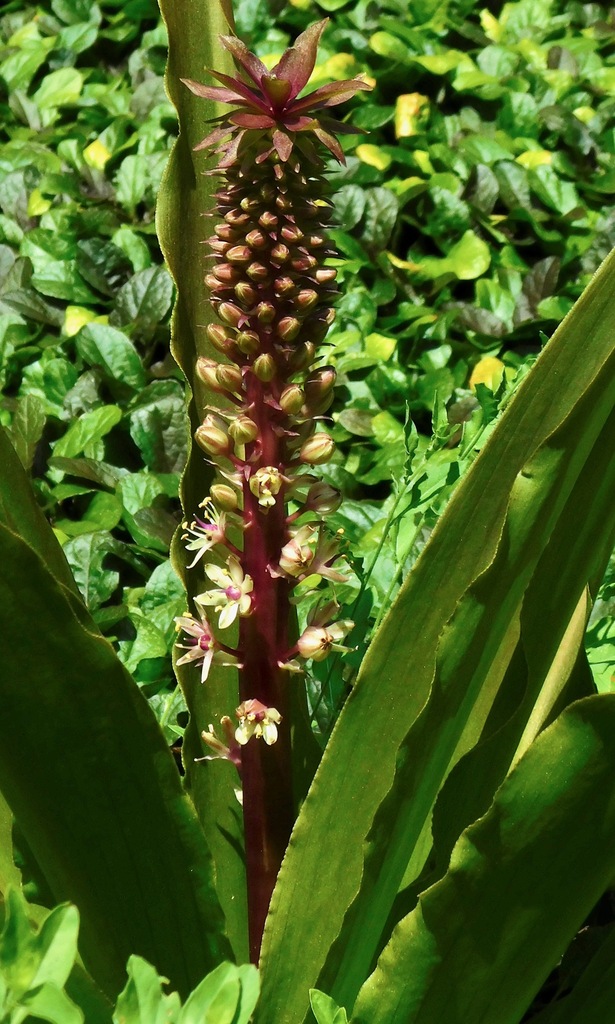
The pineapple lily is a striking bulbous plant that produces a unique, pineapple shaped flower spike. It adds a wonderful architectural touch to any garden or container. You will love how its exotic blooms stand out during the summer months.
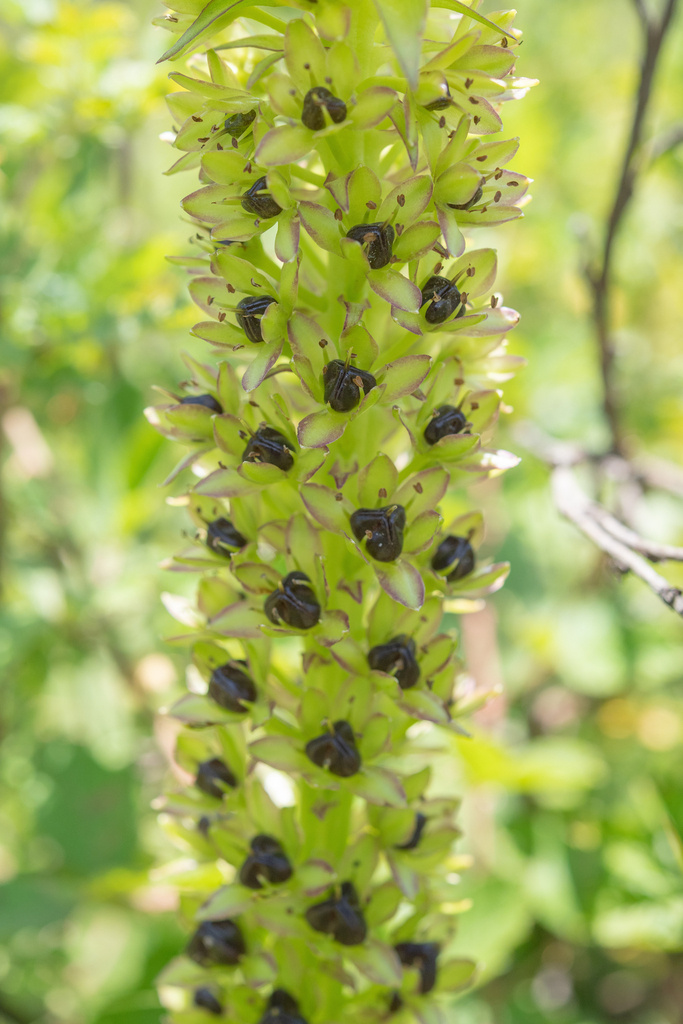
At a glance
- Care level
- Moderate
- Plant type
- Bulbous perennial
- Light
- Full sun to partial shade
- Indoor light
- Bright indirect
- Water
- Every 5 to 10 days
- Mature size
- 24 inches
- Growth rate
- Medium
- Hardiness
- USDA 7 to 10
- Bloom time
- Mid to late summer
Care
Plant your bulbs in well draining soil and keep them consistently moist while they are actively growing. Watch for yellowing leaves, which often signals that the bulb is entering its dormant phase. Ensure the bulbs are protected from freezing temperatures during winter.
- Watering
- Keep the soil evenly moist but never soggy during the active growing season.
- Feeding
- Apply a balanced liquid fertilizer monthly while the plant is in active growth.
- Pruning
- Remove spent flower stalks and dead foliage once the plant goes dormant in autumn.
- Repotting
- Repot only when the bulbs become too crowded or you need to refresh the soil.
- Soil
- Well draining, fertile potting mix
- Soil pH
- 6.0 to 7.0
- Temperature
- -7 to 35°C
- Humidity
- 40 to 60%
- Drought tolerance
- Moderate
- Lifespan
- Perennial, typically 5 to 10 years
- Fragrance
- Light
- Deer and rabbits
- Moderate
Signs it needs repotting
- Roots growing out of the drainage holes
- Stunted growth or lack of flowering
- Soil becoming compacted and slow to drain
Safety
- People
- The bulbs contain compounds that can cause irritation if handled or eaten.
- Pets
- This plant is generally considered non toxic to cats and dogs.
- Children
- Keep bulbs out of reach of children as they can be mistaken for onions or other food items.
- Contact allergens
- Handling the bulbs may cause skin irritation in sensitive individuals.
- Airborne allergens
- There are no significant reports of respiratory allergies associated with this plant.
- Edibility
- This plant is not considered edible and may cause stomach upset if ingested.
How to identify it
- Pineapple shaped flower clusters
- Rosette of strap shaped leaves
- Spotted purple leaf bases
- Star shaped individual florets
- Height
- 0.45 to 0.6m
- Spread
- 0.3 to 0.45m
- Leaves
- green, deciduous
- Flowers
- green, purple, 1 to 2cm
- Fruit
- green, brown, Autumn
Problems to watch for
- Bulb RotCommon
- Slugs and SnailsCommon
- Botrytis BlightUncommon
- Root RotUncommon
Check your pineapple lily from a photo
Pocket Botanist looks at a photo of your plant and tells you what's wrong and what to try first.
Scan with your phone's camera to get the app
Or go to pocketbotanist.app/get on your phone
Growing it
- Propagation
- division, seed, leaf cuttings
- When to plant
- Spring
- Overwintering
- In mild areas, mulch heavily to protect from frost. In colder regions, dig up the bulbs after the foliage yellows, clean them, and store in a cool, dry, frost free location until spring.
- In containers
- It grows very well in containers, provided the pot has excellent drainage and is at least 30 centimeters wide.
Division
- 1. Carefully lift the clump of bulbs in early spring.
- 2. Gently separate the offsets from the main bulb.
- 3. Replant the offsets in well draining soil at the same depth as the parent.
Pair with plants that have similar water needs to avoid overwatering the bulbs during their dormant phase.
Grows well with
- Agapanthus · They share similar light and water requirements and provide a nice textural contrast.
- Daylily · These perennials fill in the space well and bloom during the same season.
Similar species
- Autumn Pineapple Lily · It is a close relative with a similar growth habit but blooms slightly later.
Science
- Family
- Asparagaceae
- Genus
- Eucomis
- Order
- Asparagales
- Class
- Liliopsida
- Native range
- South Africa
- Conservation
- This species is not currently threatened in its native range.
It grows in grasslands and rocky slopes where it benefits from seasonal rainfall and well drained soil.
- Value to wildlife
- nectar source
- Pollinators
- bees, butterflies
- Uses
- ornamental container plant, border accent, cut flower
Through the year
Ecological indicators
- Salinity
- 2/9
- Soil reaction
- 6/9
- Light
- 7/9
- Temperature
- 6/9
- Moisture
- 5/9
- Nutrients
- 5/9
Taxonomy resolved against GBIF.
Questions people ask
- Do I need to dig up the bulbs in winter?
- In colder climates, it is best to lift the bulbs and store them in a dry, frost free place.
- How deep should I plant the bulbs?
- Plant them about 10 to 15 centimeters deep with the neck of the bulb just below the soil surface.
Where the name comes from
The name Eucomis is derived from the Greek words eu, meaning good or beautiful, and kome, meaning hair, referring to the tuft of leaves at the top of the flower spike.
Good to know
- The name Eucomis comes from Greek words meaning beautiful hair.
- It is native to South Africa.
- The flowers are long lasting and provide interest for several weeks.
- It thrives in sunny spots with well draining soil.
Keep your pineapple lily growing
This page is a general guide. Save your plant in Pocket Botanist and you get care reminders timed for this plant, plus a care history that shows what worked.
Scan with your phone's camera to get the app
Or go to pocketbotanist.app/get on your phone
This guide was generated with AI on and checked against GBIF taxonomy. It is general information, not horticultural or veterinary advice. Read about how we build these guides.