 Pocket Botanist
Plant guide
Eucalyptus.
Eucalyptus
Pronounced yoo-kuh-LIP-tus
Also known as Gum, Gums, eucalyptus, gum trees



Scan with your phone's camera to get the app
Or go to pocketbotanist.app/get on your phone
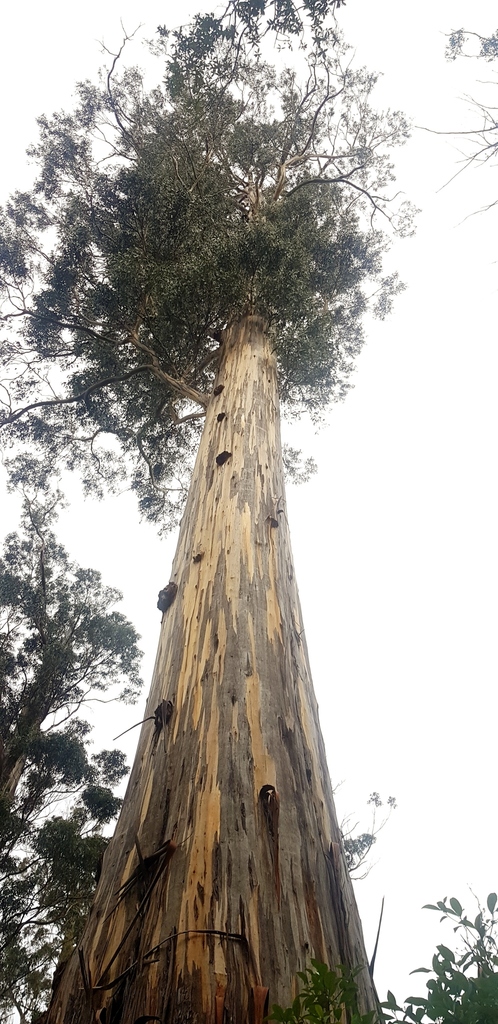
Eucalyptus trees are iconic evergreens known for their aromatic, oil-rich leaves and unique peeling bark. They thrive in warm climates and grow quite rapidly when given plenty of space. You will love the fresh scent they bring to your garden.

At a glance
- Care level
- Moderate
- Plant type
- Evergreen tree
- Light
- Full sun
- Indoor light
- Direct sun
- Water
- Every 7 to 14 days
- Mature size
- 30 to 180 feet depending on species
- Growth rate
- Fast
- Hardiness
- USDA 8 to 11
- Bloom time
- Late spring to mid summer
Care
Plant these in a spot with excellent drainage to prevent root rot. Watch for wilting leaves, which often signal that the soil has dried out too much. Keep an eye out for pests like scale or aphids during the warmer months.
- Watering
- Water deeply once the top few inches of soil feel dry to the touch.
- Feeding
- Apply a balanced, slow release fertilizer during the active growing season.
- Pruning
- Prune in late winter to maintain shape and remove any dead or damaged branches.
- Repotting
- Repot young trees when they become root bound, but be careful as they dislike root disturbance.
- Soil
- Well draining, slightly acidic soil
- Soil pH
- 5.5 to 6.5
- Temperature
- -7 to 35°C
- Humidity
- 40 to 70%
Safety
- People
- The essential oils in the leaves are toxic if ingested in quantity and can cause skin irritation.
- Pets
- Eucalyptus is toxic to cats and dogs if ingested, causing drooling, vomiting, or diarrhea.
- Children
- Keep children away from the leaves as they are not for consumption and may cause mouth irritation.
- Contact allergens
- Contact with the sap or crushed leaves can cause dermatitis in sensitive individuals.
- Airborne allergens
- The pollen can trigger allergic reactions in some people during the flowering season.
- Edibility
- Most eucalyptus foliage is toxic if ingested and should not be consumed.
How to identify it
- Aromatic, lance shaped leaves
- Distinctive peeling or shedding bark
- Clusters of small, cup shaped flowers
- Hard, woody seed capsules
- Height
- 3 to 30m
- Spread
- 2 to 10m
- Leaves
- blue-green, silver, grey-green, evergreen
- Flowers
- white, cream, yellow, pink, 1 to 3cm
- Fruit
- brown, Autumn
Problems to watch for
- Eucalyptus weevil · Beetles that feed on the leaves, causing skeletonization.
- Root rot · Fungal infection caused by poorly drained soil.
Check your eucalyptus from a photo
Pocket Botanist looks at a photo of your plant and tells you what's wrong and what to try first.
Scan with your phone's camera to get the app
Or go to pocketbotanist.app/get on your phone
Growing it
- Propagation
- seed, cuttings
- When to plant
- spring, early autumn
Because eucalyptus can be allelopathic, it is best to plant companions at a distance from the main trunk.
Grows well with
Similar species
- Bottlebrush · They share similar flower structures and Australian origins.
- Tea Tree · They are closely related and share similar foliage and oil properties.
Science
- Family
- Myrtaceae
- Genus
- Eucalyptus
- Order
- Myrtales
- Class
- Magnoliopsida
- Native range
- Primarily Australia, with some species in Indonesia and the Philippines.
- Conservation
- While some species are widespread, others are threatened in their native Australian habitats due to land clearing.
These trees are highly adapted to fire-prone environments and often resprout from lignotubers after a blaze.
- Value to wildlife
- nectar source, nesting habitat
- Pollinators
- bees, butterflies, moths
- Uses
- ornamental specimen, essential oil production, cut foliage for arrangements, windbreak
Through the year
Ecological indicators
- Salinity
- 4/9
- Soil reaction
- 5/9
- Light
- 8/9
- Temperature
- 7/9
- Moisture
- 4/9
- Nutrients
- 3/9
Taxonomy resolved against GBIF.
Questions people ask
- Can I grow eucalyptus in a pot?
- Yes, they do well in containers if pruned regularly to keep their size manageable.
- How often should I water my eucalyptus?
- Water deeply once a week, allowing the soil to dry out slightly between waterings.
Where the name comes from
The name comes from the Greek words eu, meaning well, and kalyptos, meaning covered, referring to the operculum that covers the flower buds.
Good to know
- Eucalyptus trees are the primary food source for koalas.
- The oil is widely used in cold remedies for its decongestant properties.
- Some species are among the tallest flowering plants on Earth.
- The leaves contain compounds that can inhibit the growth of other plants nearby.
Also in
Keep your eucalyptus growing
This page is a general guide. Save your plant in Pocket Botanist and you get care reminders timed for this plant, plus a care history that shows what worked.
Scan with your phone's camera to get the app
Or go to pocketbotanist.app/get on your phone
This guide was generated with AI on and checked against GBIF taxonomy. It is general information, not horticultural or veterinary advice. Read about how we build these guides.