 Pocket Botanist
Plant guide
Bottlebrush.
Callistemon
Pronounced kal-lis-STEE-mon
Also known as Bottlebrush



Scan with your phone's camera to get the app
Or go to pocketbotanist.app/get on your phone
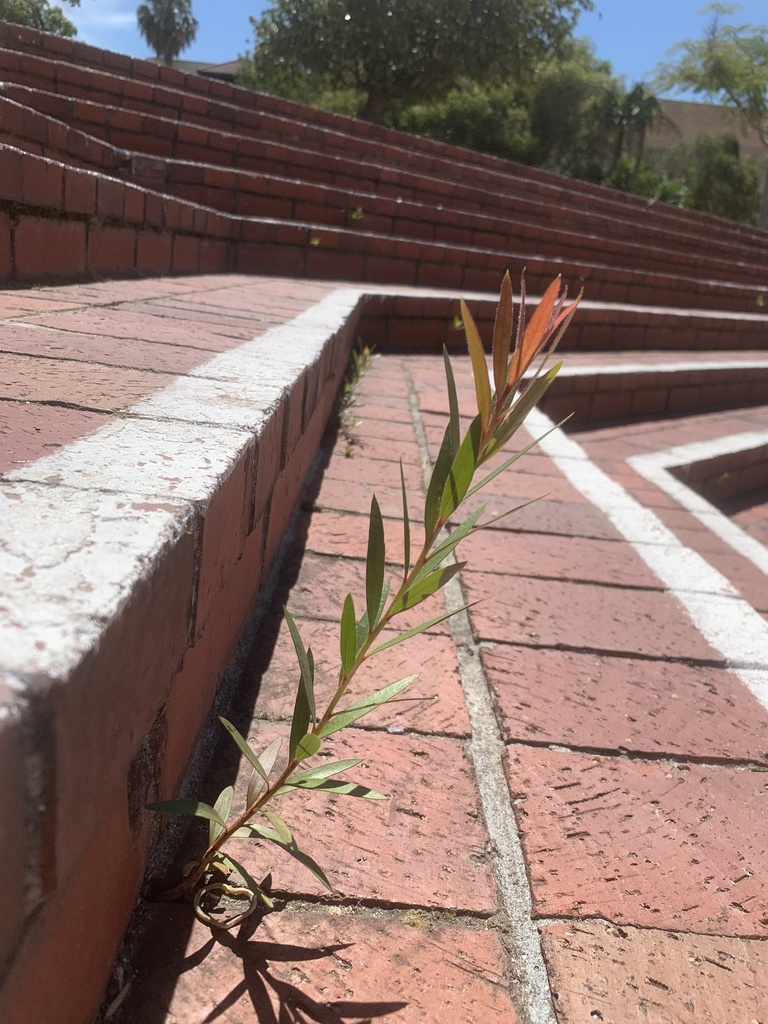
Bottlebrush plants are stunning shrubs known for their unique, spikey flowers that look just like cleaning brushes. They are native to Australia and love soaking up the sun. These plants add a wonderful pop of color to any garden space.
At a glance
- Care level
- Easy
- Plant type
- Shrub
- Light
- Full sun
- Indoor light
- Direct sun
- Water
- Every 7 to 14 days
- Mature size
- 10 to 15 feet
- Growth rate
- Medium
- Hardiness
- USDA 8 to 11
- Bloom time
- Late spring to summer
Care
Plant these in a spot with plenty of sun and well draining soil to keep them happy. Watch for yellowing leaves, which often signal that the soil is staying too wet. Pruning back the stems after flowering helps keep the plant bushy and encourages more blooms next season.
- Watering
- Water deeply once the top inch of soil feels dry to the touch.
- Feeding
- Apply a balanced, slow release fertilizer during the active growing season.
- Pruning
- Trim back the branches immediately after the flowering period ends to maintain shape.
- Repotting
- Move to a larger container only when the roots become crowded.
- Soil
- Well draining, slightly acidic
- Soil pH
- 6.0 to 7.5
- Temperature
- -5 to 40°C
- Humidity
- 40 to 70%
- Drought tolerance
- High
- Lifespan
- Perennial, typically 15 to 25 years
- Fragrance
- Light
- Deer and rabbits
- High
Signs it needs repotting
- Roots growing out of drainage holes
- Water running straight through the pot
- Stunted growth during the active season
Safety
- People
- The plant is generally considered non-toxic, but ingestion is not recommended.
- Pets
- This plant is generally considered non toxic to cats and dogs.
- Children
- The stiff, brush-like flowers could be an eye irritant if handled roughly by small children.
- Contact allergens
- The foliage can cause mild skin irritation in sensitive individuals.
- Airborne allergens
- The pollen may trigger mild respiratory symptoms in those with hay fever.
- Edibility
- The plant is not considered edible for humans.
How to identify it
- Bright red brush like flower spikes
- Narrow, lance shaped evergreen leaves
- Woody stems with rough bark
- Stamens create the brush appearance
- Height
- 1 to 4m
- Spread
- 1 to 3m
- Leaves
- green, grey-green, evergreen
- Flowers
- red, pink, white, 5 to 10cm
- Fruit
- brown, late summer
Problems to watch for
- Scale insects · Small sap-sucking insects that appear as bumps on stems.
- Root rot · Fungal decay caused by overly wet, poorly drained soil.
Check your bottlebrush from a photo
Pocket Botanist looks at a photo of your plant and tells you what's wrong and what to try first.
Scan with your phone's camera to get the app
Or go to pocketbotanist.app/get on your phone
Growing it
- Propagation
- cuttings, seed
- When to plant
- spring, autumn
- Overwintering
- In colder regions, move containers to a sheltered, frost-free location. If planted in the ground, apply a thick layer of mulch around the base to protect the roots from freezing temperatures.
- In containers
- They grow well in containers, provided you use a pot at least 40 cm wide with excellent drainage holes.
Semi-hardwood cuttings
- 1. Take 10 cm cuttings in late summer.
- 2. Remove lower leaves and dip in rooting hormone.
- 3. Place in a well-draining potting mix.
- 4. Keep moist and in bright, indirect light until rooted.
Pair with other drought-tolerant Australian natives to create a low-maintenance, water-wise garden bed.
Grows well with
- Grevillea · They share similar water and soil requirements.
- Lavender · They both enjoy full sun and well-drained soil.
Similar species
- Melaleuca · These are closely related and share similar flower structures.
Science
- Family
- Myrtaceae
- Genus
- Callistemon
- Order
- Myrtales
- Class
- Magnoliopsida
- Native range
- Australia
- Conservation
- Not currently of conservation concern.
These plants are adapted to survive in diverse habitats, including swampy areas and dry, rocky slopes.
- Value to wildlife
- nectar source, nesting habitat
- Pollinators
- bees, butterflies, hummingbirds
- Uses
- ornamental shrub, privacy screen, pollinator garden, coastal landscaping
Through the year
Ecological indicators
- Salinity
- 4/9
- Soil reaction
- 5/9
- Light
- 8/9
- Temperature
- 7/9
- Moisture
- 4/9
- Nutrients
- 3/9
Taxonomy resolved against GBIF.
Questions people ask
- Do I need to prune my bottlebrush?
- Yes, light pruning after flowering keeps the shrub dense and encourages more blooms.
- Can I grow this in a container?
- Yes, they thrive in large pots with excellent drainage.
Where the name comes from
The name Callistemon comes from the Greek words kallistos, meaning most beautiful, and stemon, meaning stamen. The common name refers to the flower's resemblance to a tool used for cleaning bottles.
Good to know
- Bottlebrushes are native to Australia.
- They are well adapted to fire-prone environments.
- The seed capsules often remain on the plant for years.
- They are highly drought tolerant once established.
Also in
Keep your bottlebrush growing
This page is a general guide. Save your plant in Pocket Botanist and you get care reminders timed for this plant, plus a care history that shows what worked.
Scan with your phone's camera to get the app
Or go to pocketbotanist.app/get on your phone
This guide was generated with AI on and checked against GBIF taxonomy. It is general information, not horticultural or veterinary advice. Read about how we build these guides.