 Pocket Botanist

Check these first
- Look closely at the undersides of the leaves.
- Check the new growth for sticky residue.
- Inspect the stems for fine webbing.
Likely causes
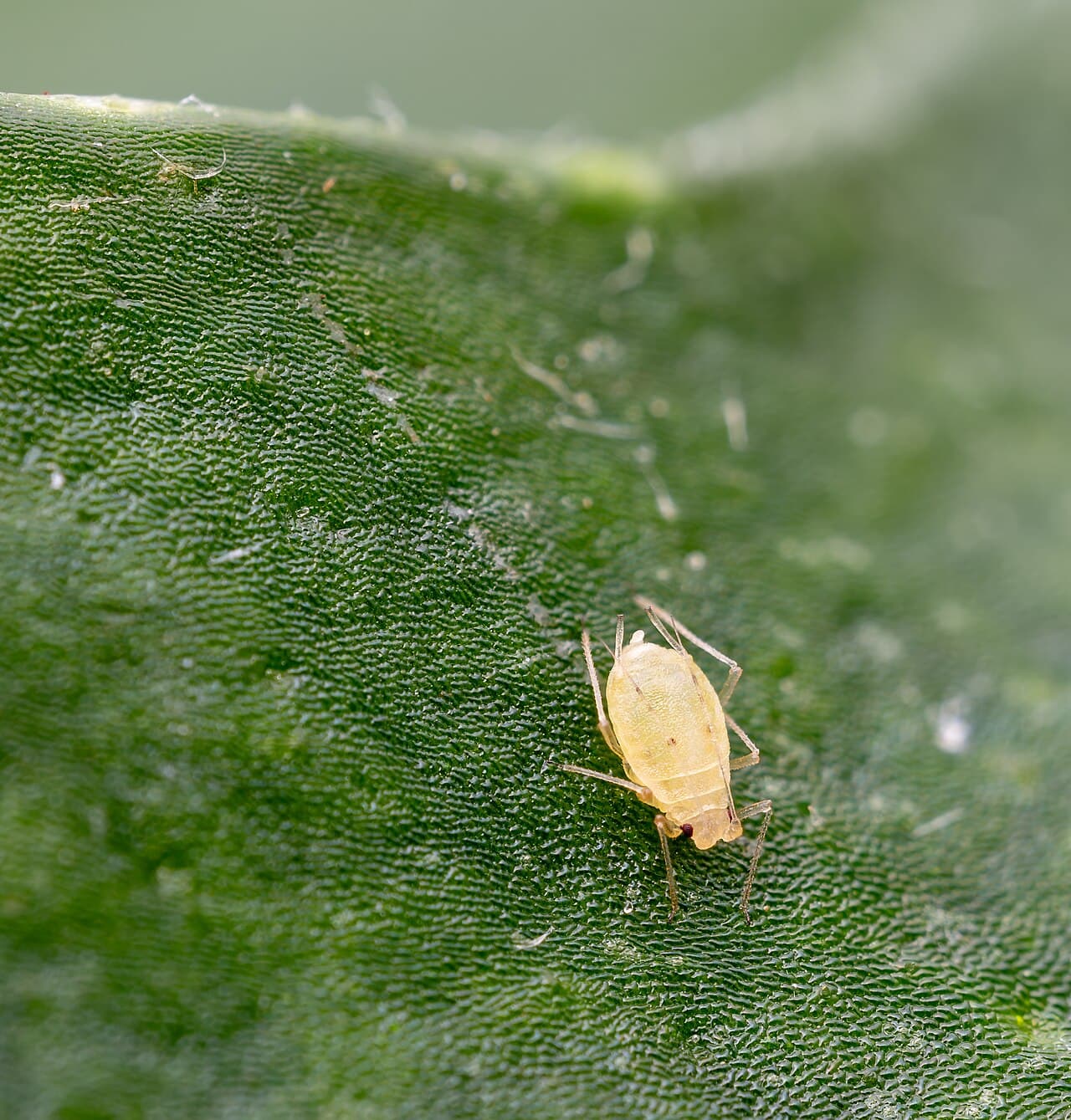
Aphids
Most likelyHow to tell: You see clusters of tiny green or black insects on the new growth or flower buds. The leaves may look sticky or curled.
What to do: Spray the plant with a steady stream of water to knock the bugs off. Use insecticidal soap once a week if they return.
Spider Mites
PossibleHow to tell: Fine webbing appears between the leaves and stems. The leaves look speckled or pale.
What to do: Increase the humidity around the plant and wipe the leaves with a damp cloth. Apply neem oil to the affected areas every 7 days.
Find out what's wrong with your philadelphia fleabane
The list above covers the usual causes. Pocket Botanist looks at a photo of your actual plant and tells you the likely cause, how serious it is, and what to try first. Identification and a health check are free.



Scan with your phone's camera to get the app
Or go to pocketbotanist.app/get on your phone
When to worry
A few bugs are manageable, but a heavy infestation that covers the stems is serious. If the plant is losing vigor, act quickly.
Stopping it coming back
Keep the plant healthy with proper watering and ensure there is plenty of space between plants for air to move.
Philadelphia fleabane: pests? Check yours with a photo
Every plant is a little different. Take a photo of your philadelphia fleabane and Pocket Botanist tells you which cause is most likely, how serious it is, and what to try first. A few checks a day are free. Save the plant and you get care reminders timed for it.
Scan with your phone's camera to get the app
Or go to pocketbotanist.app/get on your phone
Get the app · Or check it from a photo now, free
Questions people ask
- Can I use home remedies for pests?
- A mix of water and a few drops of mild dish soap works well for most common pests. Always test a small leaf first to ensure it does not burn.
- Will pests kill my plant?
- Most pests just weaken the plant by sucking its sap. If left untreated for a long time, the plant may eventually die.
Guides to these causes
More problems with Philadelphia fleabane
- Why is my Philadelphia fleabane drooping?
- Why does my Philadelphia fleabane have spots?
- Why is my Philadelphia fleabane getting leggy?
- Why is my Philadelphia fleabane suffering from root rot?
- Why are my Philadelphia fleabane leaves turning yellow?
- Why are my Philadelphia fleabane leaves getting brown tips?
- Why is my Philadelphia fleabane dropping leaves?
- Why is my Philadelphia fleabane not blooming?
Back to the Philadelphia fleabane guide
This article was generated with AI on from the plant’s care profile and is general information, not horticultural advice. Read about how we build these guides.