 Pocket Botanist
Guía de plantas
Queen of the night.
Epiphyllum oxypetalum
Pronunciación ep-ih-FILL-um ox-ee-PET-ah-lum
También se conoce como Dutchman's Pipe Cactus, Dutchman's-pipe cactus, Moonflower Cactus, night-blooming cereus, queen of the night


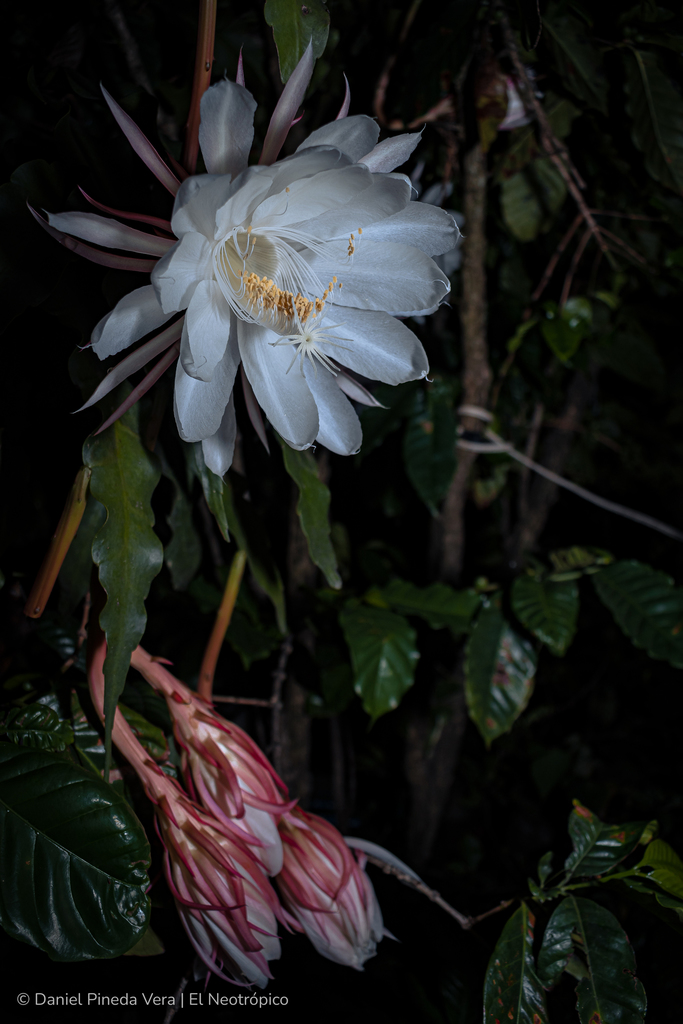
This fascinating cactus is famous for its large, fragrant white flowers that bloom only at night. It is an epiphyte that naturally grows on trees in tropical forests. You will love how it transforms your space when it finally puts on its rare, dramatic show.
De un vistazo
- Nivel de cuidados
- Media
- Tipo de planta
- Epiphytic cactus
- Luz
- Bright indirect light
- Luz en interior
- Luz indirecta brillante
- Riego
- Cada 7 a 14 días
- Tamaño adulto
- 3 to 10 feet
- Ritmo de crecimiento
- Rápido
- Rusticidad
- USDA 10 a 12
- Floración
- Late spring to early autumn
Cuidados
Keep your plant in a spot with plenty of filtered light and avoid direct sun that might scorch the stems. Watch for yellowing stems, which often signal that the soil is staying too wet for too long. Ensure the potting mix is chunky and well-draining to mimic its natural home on tree branches.
- Riego
- Let the top few inches of soil dry out completely before you give it another drink.
- Abonado
- Feed with a balanced liquid fertilizer during the active growing season.
- Poda
- Trim back any damaged or overly long stems after the flowering season ends.
- Trasplante
- Repot only when the plant becomes root-bound, as it prefers to be slightly snug in its container.
- Suelo
- Well-draining orchid or cactus mix
- pH del suelo
- 6.0 to 7.0
- Temperatura
- 10 a 30°C
- Humedad
- 50 a 70%
- Tolerancia a la sequía
- Moderada
- Longevidad
- Perennial, can live for several decades with proper care.
- Fragancia
- Intensa
- Resistencia a ciervos y conejos
- Moderada
Señales de que necesita trasplante
- Roots growing out of the drainage holes.
- Stunted growth despite proper care.
- Soil breaking down and losing structure.
Seguridad
- Personas
- This plant is non-toxic to humans.
- Niños
- Keep away from small children due to the potential for sharp, albeit small, spines on the stems.
- Alérgenos por contacto
- The stems may have tiny spines that can cause minor skin irritation.
- Alérgenos en el aire
- There are no known significant respiratory allergens associated with this plant.
- Comestibilidad
- The fruit is edible but often considered bland, so ensure proper identification before consumption.
Cómo identificarla
- Long, flat, succulent leaf-like stems
- Large, fragrant, white nocturnal flowers
- Wavy or scalloped stem margins
- Stems can grow quite long
- Produces small, reddish, edible fruits
- Altura
- 1,5 a 3m
- Anchura
- 1 a 2m
- Hojas
- green, evergreen
- Flores
- white, 10 a 15cm
- Frutos
- red, purple, Late summer
Problemas frecuentes
- Mealybugs — Small white cottony insects that cluster in stem crevices.
- Root rot — Caused by overwatering or poorly draining soil.
Cómo cultivarla
- Propagación
- cuttings, seed
- Cuándo plantar
- spring, summer
- Cuidados en invierno
- Move the plant to a frost-free location indoors before temperatures drop. Keep it in a bright spot and reduce water to a minimum until spring growth resumes.
- En maceta
- It thrives in containers, which allow you to move it indoors during cold weather, and prefers a pot with excellent drainage.
Stem Cuttings
- 1. Cut a healthy stem segment at least 10 cm long.
- 2. Let the cut end callous over for 3 to 5 days in a dry place.
- 3. Plant the calloused end into well-draining cactus mix.
- 4. Keep the soil slightly moist until roots form.
Group this plant with other tropical epiphytes to create a microclimate that maintains higher humidity.
Buenas compañeras
- Orchidaceae — They share similar epiphytic light and moisture requirements.
- Polypodiopsida — They provide a complementary lush texture and enjoy similar humidity levels.
Especies parecidas
- Selenicereus anthonyanus — It shares the same epiphytic habit and night blooming characteristics.
Ciencia
- Familia
- Cactaceae
- Género
- Epiphyllum
- Orden
- Caryophyllales
- Clase
- Magnoliopsida
- Distribución natural
- Tropical forests of Mexico and Central America.
- Conservación
- This species is not currently listed as endangered or threatened in its native range.
It grows as an epiphyte on tree branches, capturing moisture and nutrients from the air and decaying organic matter.
- Valor para la fauna
- night blooming nectar source
- Polinizadores
- polillas
- Usos
- ornamental, container plant, night garden feature
A lo largo del año
Indicadores ecológicos
- Salinidad
- 1/9
- Reacción del suelo
- 6/9
- Luz
- 5/9
- Temperatura
- 8/9
- Humedad
- 4/9
- Nutrientes
- 3/9
Taxonomía cotejada con GBIF.
Lo que más preguntan
- Why won't my plant bloom?
- It often requires a period of cooler temperatures and slightly drier soil in winter to trigger flowering.
- How often should I water it?
- Water when the top few centimeters of soil feel dry, but reduce watering significantly during the winter.
De dónde viene el nombre
The name Epiphyllum comes from Greek words meaning upon the leaf, referring to how the flowers appear to grow from the leaf-like stems. The specific epithet oxypetalum means sharp-petaled.
Bueno saberlo
- It is often called the Queen of the Night.
- The flowers are highly fragrant to attract nocturnal pollinators.
- It is a cactus that grows in trees rather than in the ground.
¿Tu queen of the night tiene mal aspecto?
Esta página es una guía general. Pocket Botanist diagnostica problemas a partir de una foto de tu propia planta, calcula el riego según tu luz y tus condiciones, y te avisa cuando toca cuidarla.
Esta guía se ha generado con IA y se ha cotejado con la taxonomía de GBIF. Es información general, no asesoramiento botánico ni veterinario. Descubre cómo elaboramos estas guías.