 Pocket Botanist

Check these first
- Stick your finger two inches into the soil to check for moisture.
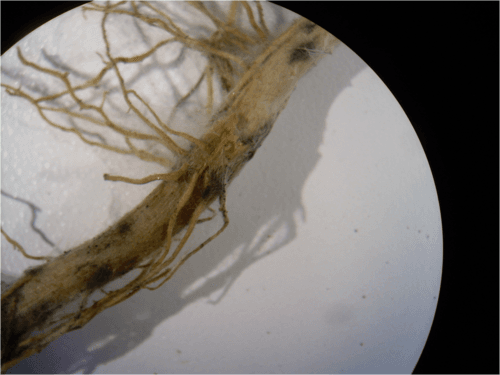
- Lift the plant to see if the roots are firm or mushy.
- Inspect the pot to ensure it has drainage holes.
Likely causes
Overwatering
Most likelyHow to tell: The base of the leaves feels mushy or soft, and the plant may lean or fall over. You might notice a sour or musty smell coming from the soil.
What to do: Stop watering immediately and let the soil dry out completely. If the rot is severe, remove the plant from the pot, trim away black or slimy roots, and repot in fresh, well draining cactus mix.
Poor Drainage
PossibleHow to tell: Water pools at the bottom of the pot because there are no drainage holes or the soil is too dense. The plant stays wet for weeks after watering.
What to do: Repot the plant into a container with drainage holes at the bottom. Use a succulent or cactus potting mix that allows excess water to escape quickly.
Find out what's wrong with your sansevieria
The list above covers the usual causes. Pocket Botanist looks at a photo of your actual plant and tells you the likely cause, how serious it is, and what to try first. Identification and a health check are free.



Scan with your phone's camera to get the app
Or go to pocketbotanist.app/get on your phone
When to worry
If the leaves are turning yellow or brown at the base and feel soft, the rot is advanced. It is normal for the oldest, lowest leaf to eventually die off, but mushiness is always a sign of trouble.
Stopping it coming back
Only water your snake plant when the soil is bone dry, which typically takes 14 to 30 days. Always empty the saucer after watering so the plant never sits in water.
Sansevieria: root rot? Check yours with a photo
Every plant is a little different. Take a photo of your sansevieria and Pocket Botanist tells you which cause is most likely, how serious it is, and what to try first. A few checks a day are free. Save the plant and you get care reminders timed for it.
Scan with your phone's camera to get the app
Or go to pocketbotanist.app/get on your phone
Get the app · Or check it from a photo now, free
Questions people ask
- Can I save a plant with root rot?
- Yes, if you catch it early. Trim the dead roots, let the remaining healthy roots dry for a day, and repot in fresh, dry soil.
- How often should I water?
- Wait until the soil is completely dry throughout the pot. This usually happens every 14 to 30 days depending on your home temperature.
More problems with Sansevieria
This article was generated with AI on from the plant’s care profile and is general information, not horticultural advice. Read about how we build these guides.