 Pocket Botanist
Plant guide
Soft Tree Fern.
Dicksonia antarctica
Pronounced dik-SO-nee-uh an-tark-TI-kuh
Also known as Australian Tree Ferns, Australian Tree-fern, Australian tree fern, Australian treefern, soft tree fern



Scan with your phone's camera to get the app
Or go to pocketbotanist.app/get on your phone

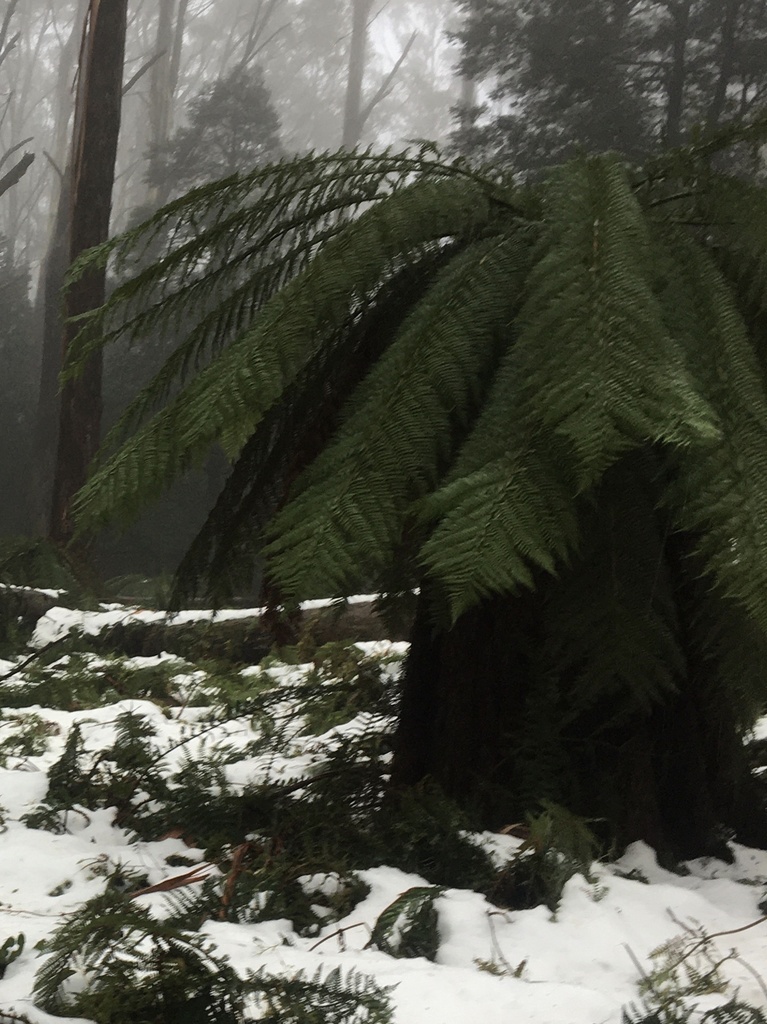
The soft tree fern is a stunning, slow growing plant that brings a prehistoric feel to any garden. It features a thick, fibrous trunk topped with a crown of lush, arching fronds. These ferns thrive in cool, damp environments and make a beautiful focal point.
At a glance
- Care level
- Moderate
- Plant type
- Fern
- Light
- Partial shade to full shade
- Indoor light
- Bright indirect
- Water
- Every 2 to 4 days
- Mature size
- 15 to 20 feet
- Growth rate
- Slow
- Hardiness
- USDA 9 to 11
- Bloom time
- Does not bloom
Care
Keep the crown and trunk moist by watering them directly, as they absorb moisture through these areas. Watch for browning fronds which often indicate the plant is too dry or exposed to harsh winds. Ensure the soil stays consistently damp but never waterlogged to keep your fern happy.
- Watering
- Keep the trunk and soil consistently moist throughout the growing season.
- Feeding
- Apply a balanced liquid fertilizer to the trunk and soil during the spring and summer.
- Pruning
- Remove dead or damaged fronds at the base of the stem once a year in late winter.
- Repotting
- Repot only when the plant has clearly outgrown its container, though they prefer to stay somewhat rootbound.
- Soil
- Rich, acidic, well draining soil
- Soil pH
- 5.5 to 6.5
- Temperature
- -5 to 35°C
- Humidity
- 60 to 90%
- Drought tolerance
- Low
- Lifespan
- Perennial, can live for centuries.
- Deer and rabbits
- High
Signs it needs repotting
- Roots growing out of the drainage holes.
- Stunted frond growth.
- Soil breaking down and losing structure.
Safety
- People
- The plant is not considered toxic to humans.
- Children
- Keep children away from the hairy trunk to prevent skin irritation.
- Contact allergens
- The fine hairs on the trunk can cause skin irritation upon contact.
- Airborne allergens
- Spore dust may cause mild respiratory irritation in sensitive individuals.
- Edibility
- This plant is not intended for consumption.
How to identify it
- Thick fibrous brown trunk
- Large arching dark green fronds
- Fronds grow from central crown
- Trunk covered in soft hairs
- Height
- 2 to 6m
- Spread
- 2 to 4m
- Leaves
- dark green, evergreen
- Flowers
- 0cm
Problems to watch for
- DehydrationCommon
- Frond BrowningCommon
- Scale InsectsCommon
- Root RotUncommon
- Slugs and SnailsUncommon
- Sooty MoldUncommon
Check your soft tree fern from a photo
Pocket Botanist looks at a photo of your plant and tells you what's wrong and what to try first.
Scan with your phone's camera to get the app
Or go to pocketbotanist.app/get on your phone
Growing it
- Propagation
- spores, offsets
- When to plant
- spring, early autumn
- Overwintering
- Wrap the crown with horticultural fleece during freezing weather to protect the growing point. Keep the trunk moist even in winter.
- In containers
- It grows well in large, heavy containers that provide stability for its height.
Spore collection
- 1. Collect brown spores from the underside of mature fronds.
- 2. Sprinkle onto moist, sterile peat based compost.
- 3. Cover with glass and keep in a warm, shaded spot.
Group with other moisture loving shade plants to create a humid microclimate.
Grows well with
- Hosta · They share similar shade and moisture requirements.
- Bleeding Heart · It adds delicate color beneath the fern canopy.
Similar species
- Cyathea cooperi · Another popular tree fern but with a faster growth rate.
Science
- Family
- Dicksoniaceae
- Genus
- Dicksonia
- Order
- Cyatheales
- Class
- Polypodiopsida
- Native range
- Eastern Australia and Tasmania.
- Conservation
- Wild collection is strictly regulated to protect native populations in Australia.
It thrives in cool, moist, shaded rainforest understories where it captures moisture from the air.
- Value to wildlife
- provides shelter for small invertebrates
- Uses
- ornamental focal point, shade garden feature
Through the year
Ecological indicators
- Salinity
- 1/9
- Soil reaction
- 5/9
- Light
- 2/9
- Temperature
- 5/9
- Moisture
- 8/9
- Nutrients
- 5/9
Taxonomy resolved against GBIF.
Questions people ask
- How do I water a tree fern?
- Water directly into the crown and down the trunk rather than just at the base.
- Does it need full sun?
- No, it prefers partial to full shade to prevent frond scorching.
Where the name comes from
The name honors James Dickson, a Scottish botanist, while antarctica refers to its southern hemisphere origin.
Good to know
- It is one of the oldest living plant species on Earth.
- The trunk is actually a fibrous mass of roots rather than true wood.
- It can survive light frosts if the crown is protected.
Also in
Keep your soft tree fern growing
This page is a general guide. Save your plant in Pocket Botanist and you get care reminders timed for this plant, plus a care history that shows what worked.
Scan with your phone's camera to get the app
Or go to pocketbotanist.app/get on your phone
This guide was generated with AI on and checked against GBIF taxonomy. It is general information, not horticultural or veterinary advice. Read about how we build these guides.