 Pocket Botanist
Plant guide
Slender deutzia.
Deutzia gracilis
Pronounced DOOT-zee-uh gruh-SILL-iss
Also known as Japanese snowflower, Slender deutzia, Slender pride of rochester, slender deutsia


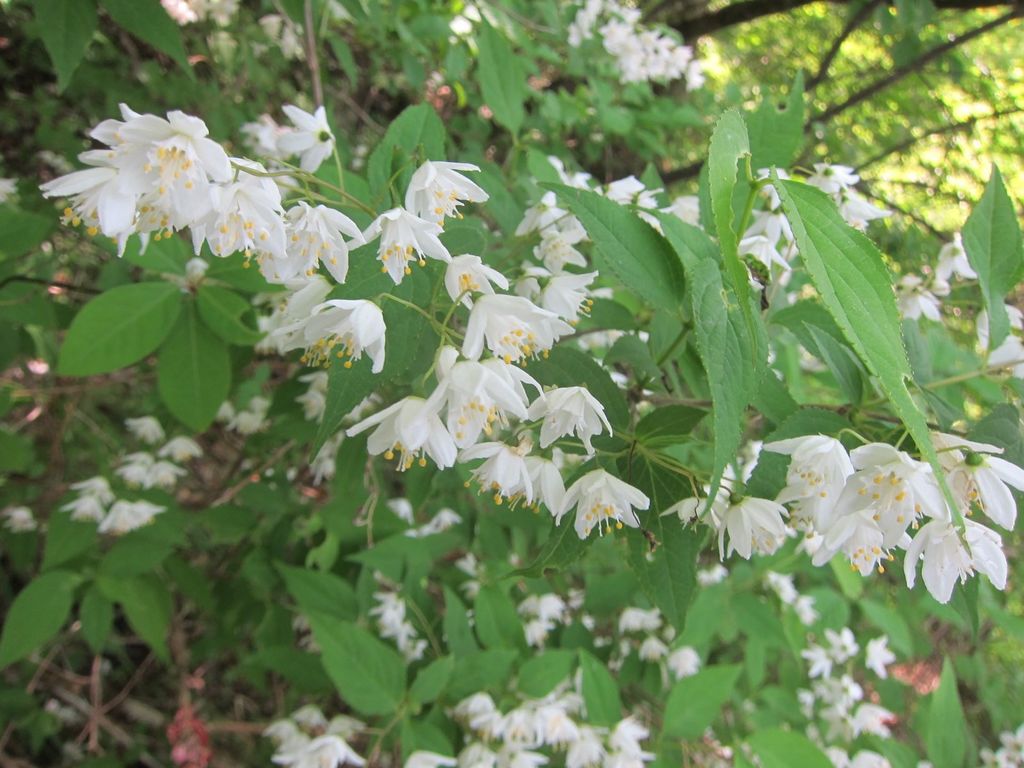
This charming deciduous shrub is a springtime favorite that produces a profusion of delicate white flowers. It stays relatively compact, making it a great choice for smaller gardens or foundation plantings. You'll love how the arching branches create a soft, graceful look in your landscape.

At a glance
- Care level
- Easy
- Plant type
- Deciduous shrub
- Light
- Full sun to partial shade
- Indoor light
- Bright indirect
- Water
- Every 5 to 10 days
- Mature size
- 3 to 4 feet
- Growth rate
- Medium
- Hardiness
- USDA 5 to 8
- Bloom time
- Mid to late spring
Care
Plant this shrub in well draining soil and keep it consistently moist while it gets established. Prune right after the flowers fade to encourage fresh growth for next year. Keep an eye out for yellowing leaves, which might mean the soil is staying too wet.
- Watering
- Water deeply whenever the top inch of soil feels dry to the touch.
- Feeding
- Apply a balanced slow release fertilizer in early spring before new growth starts.
- Pruning
- Prune immediately after flowering to shape the plant and remove old wood.
- Repotting
- If growing in a container, move to a slightly larger pot every few years to refresh the soil.
- Soil
- Moist, well draining, fertile loam
- Soil pH
- 6.0 to 7.5
- Temperature
- -23 to 35°C
- Humidity
- 40 to 70%
- Drought tolerance
- Moderate
- Lifespan
- Perennial, typically 10 to 20 years
- Fragrance
- Light
- Deer and rabbits
- Moderate
Signs it needs repotting
- Roots growing out of the drainage holes
- Water running straight through the pot
- Stunted growth during the active season
Safety
- People
- It is generally considered non-toxic, though eating any part of the plant is not recommended.
- Children
- Small children should be discouraged from chewing on the stems or leaves to avoid potential digestive discomfort.
- Contact allergens
- There are no significant reports of skin irritation from handling this shrub.
- Airborne allergens
- The pollen may cause mild reactions in sensitive individuals during the flowering season.
- Edibility
- This plant is not considered edible and ingestion may cause mild stomach upset.
How to identify it
- Arching stems with slender habit
- Opposite, lance shaped green leaves
- Clusters of bell shaped white flowers
- Small, deciduous shrub form
- Height
- 0.6 to 1.2m
- Spread
- 0.6 to 1.2m
- Leaves
- bright green, deciduous
- Flowers
- white, 1 to 2cm
Problems to watch for
- AphidsCommon
- Leaf SpotCommon
- Leaf ScorchUncommon
- Powdery MildewUncommon
By symptom
Check your slender deutzia from a photo
Pocket Botanist looks at a photo of your plant and tells you what's wrong and what to try first.
Growing it
- Propagation
- cuttings, division
- When to plant
- spring, autumn
- Overwintering
- Apply a layer of mulch around the base to protect roots from extreme temperature fluctuations. No special covering is needed for the branches.
- In containers
- It grows well in containers, provided the pot is at least 40 centimeters wide and has excellent drainage.
Softwood cuttings
- 1. Take 10 centimeter cuttings in early summer.
- 2. Remove lower leaves.
- 3. Dip in rooting hormone.
- 4. Place in moist potting mix.
- 5. Keep humid until rooted.
Plant with spring bulbs to provide color before the shrub fully leafs out.
Grows well with
- Bleeding Heart — They share similar light and moisture requirements for a classic spring display.
- Hostas — The bold foliage of hostas provides a nice contrast to the fine texture of the deutzia.
Similar species
- Fuzzy Deutzia — It is a larger, more robust relative with similar white or pinkish flowers.
Science
- Family
- Hydrangeaceae
- Genus
- Deutzia
- Order
- Cornales
- Class
- Magnoliopsida
- Native range
- Japan
- Conservation
- This species is not currently listed as endangered or threatened in its native range.
It grows in woodland margins and thickets where it benefits from partial shade and consistent soil moisture.
- Value to wildlife
- nectar source
- Pollinators
- bees, butterflies
- Uses
- ornamental shrub, foundation planting, mass planting, container gardening
Through the year
Ecological indicators
- Soil reaction
- 6/9
- Moisture
- 5/9
- Nutrients
- 5/9
- Salinity
- 1/9
- Light
- 6/9
- Temperature
- 5/9
Taxonomy resolved against GBIF.
Questions people ask
- When should I prune my Deutzia?
- Prune immediately after the flowers fade to encourage new growth for next year.
- Does it need full sun?
- It prefers full sun but will tolerate light shade, especially in hotter climates.
Where the name comes from
The genus honors Johann van der Deutz, an 18th-century Dutch patron of botany. The specific epithet gracilis highlights the plant's graceful, slender habit.
Good to know
- The name gracilis means slender, referring to the delicate stems.
- It is a popular choice for forcing indoors during late winter.
- The flowers are slightly fragrant, adding a subtle scent to the garden.
Keep your slender deutzia growing
This page is a general guide. Save your plant in Pocket Botanist and you get care reminders timed for this plant, plus a care history that shows what worked.
This guide was generated with AI and checked against GBIF taxonomy. It is general information, not horticultural or veterinary advice. Read about how we build these guides.