 Pocket Botanist
Plant guide
Desert Spoon.
Dasylirion wheeleri
Pronounced da-si-LIR-ee-on WHEEL-er-eye
Also known as Wheeler sotol, desert spoon, desert-spoon, sotol



Scan with your phone's camera to get the app
Or go to pocketbotanist.app/get on your phone

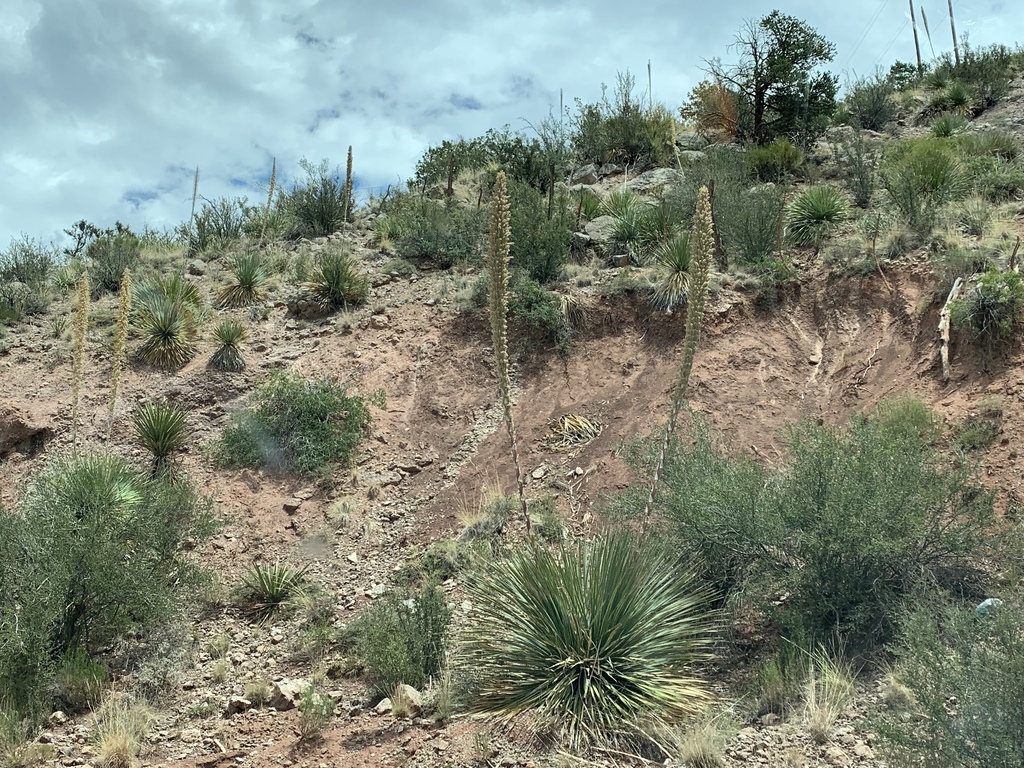
The Desert Spoon is a striking succulent native to the arid landscapes of the southwestern United States and Mexico. It features a dense, symmetrical rosette of long, thin leaves that create a dramatic architectural focal point in any garden. This plant is incredibly hardy and thrives in harsh, dry conditions.
At a glance
- Care level
- Easy
- Plant type
- Succulent
- Light
- Full sun
- Indoor light
- Direct sun
- Water
- Every 14 to 30 days
- Mature size
- 5 to 6 feet tall
- Growth rate
- Slow
- Hardiness
- USDA 7 to 10
- Bloom time
- Late spring to early summer
Care
Plant this beauty in well draining soil to prevent root rot. Watch for yellowing leaves which often signal that the soil is staying too wet for too long.
- Watering
- Allow the soil to dry out completely between waterings.
- Feeding
- Apply a balanced liquid fertilizer sparingly during the growing season.
- Pruning
- Remove dead or damaged lower leaves once a year to maintain a tidy appearance.
- Repotting
- Repot only when the plant has clearly outgrown its current container.
- Soil
- Sandy or rocky well draining soil
- Soil pH
- 6.0 to 8.0
- Temperature
- -15 to 45°C
- Humidity
- 10 to 40%
- Drought tolerance
- High
- Lifespan
- Perennial, can live for several decades.
- Deer and rabbits
- High
Signs it needs repotting
- Roots growing out of the drainage holes.
- The plant becomes top-heavy and unstable.
- Growth slows significantly during the active season.
Safety
- People
- The plant is not toxic, but the sharp, serrated leaf edges can cause significant physical injury.
- Pets
- This plant is generally considered non toxic to cats and dogs.
- Children
- Keep children away from the plant as the razor-sharp leaf margins can easily cut skin.
- Contact allergens
- The sharp, saw-toothed margins of the leaves can cause deep scratches and skin irritation.
- Airborne allergens
- The pollen can be a minor irritant to sensitive individuals during the flowering season.
- Edibility
- The plant is not considered edible and should be avoided.
How to identify it
- Blue green strap like leaves
- Fine serrated leaf margins
- Dense symmetrical rosette shape
- Tall woody central flower stalk
- Height
- 1.2 to 1.8m
- Spread
- 1.2 to 1.8m
- Leaves
- blue-green, silver, evergreen
- Flowers
- cream, tan, 0.5 to 1cm
- Fruit
- tan, brown, Late summer
Problems to watch for
- Root rot · Usually caused by overwatering or poor soil drainage.
Check your desert spoon from a photo
Pocket Botanist looks at a photo of your plant and tells you what's wrong and what to try first.
Scan with your phone's camera to get the app
Or go to pocketbotanist.app/get on your phone
Growing it
- Propagation
- seed
- When to plant
- spring, early autumn
- Overwintering
- Ensure the plant is kept dry during winter months to prevent crown rot. If grown in a very cold climate, move to a sheltered location or protect from heavy frost.
- In containers
- It grows very well in pots, provided you use a large, heavy container with excellent drainage to prevent tipping.
Seed
- 1. Collect seeds after they dry on the stalk.
- 2. Sow seeds in a well-draining sandy mix.
- 3. Keep the soil lightly moist until germination occurs.
Group with other drought-tolerant succulents to ensure consistent watering needs across the bed.
Grows well with
Similar species
- Texas Sotol · It has a similar growth habit but is generally more cold-hardy.
Science
- Family
- Asparagaceae
- Genus
- Dasylirion
- Order
- Asparagales
- Class
- Liliopsida
- Native range
- Southwestern United States and Northern Mexico.
- Conservation
- This species is not currently endangered and is common in its native range.
It survives in arid, rocky slopes by storing water in its thick, succulent-like leaf bases.
- Value to wildlife
- nectar source, shelter for small wildlife
- Pollinators
- bees, butterflies, moths
- Uses
- ornamental xeriscaping, desert garden accent, container plant
Through the year
Ecological indicators
- Salinity
- 2/9
- Soil reaction
- 7/9
- Light
- 8/9
- Temperature
- 7/9
- Moisture
- 1/9
- Nutrients
- 2/9
Taxonomy resolved against GBIF.
Questions people ask
- How often should I water it?
- Water sparingly, allowing the soil to dry out completely between waterings.
- Can I grow it in a pot?
- Yes, it thrives in containers provided the soil is well-draining.
Where the name comes from
The genus name Dasylirion comes from Greek words meaning thick lily, while the species name honors George M. Wheeler, the American army officer who led a survey of the American West.
Good to know
- It is commonly known as Desert Spoon because the leaf base resembles a spoon.
- The plant is extremely drought tolerant once established.
- It is a member of the Asparagaceae family.
- The leaves are often used in floral arrangements.
Also in
Keep your desert spoon growing
This page is a general guide. Save your plant in Pocket Botanist and you get care reminders timed for this plant, plus a care history that shows what worked.
Scan with your phone's camera to get the app
Or go to pocketbotanist.app/get on your phone
This guide was generated with AI on and checked against GBIF taxonomy. It is general information, not horticultural or veterinary advice. Read about how we build these guides.