 Pocket Botanist
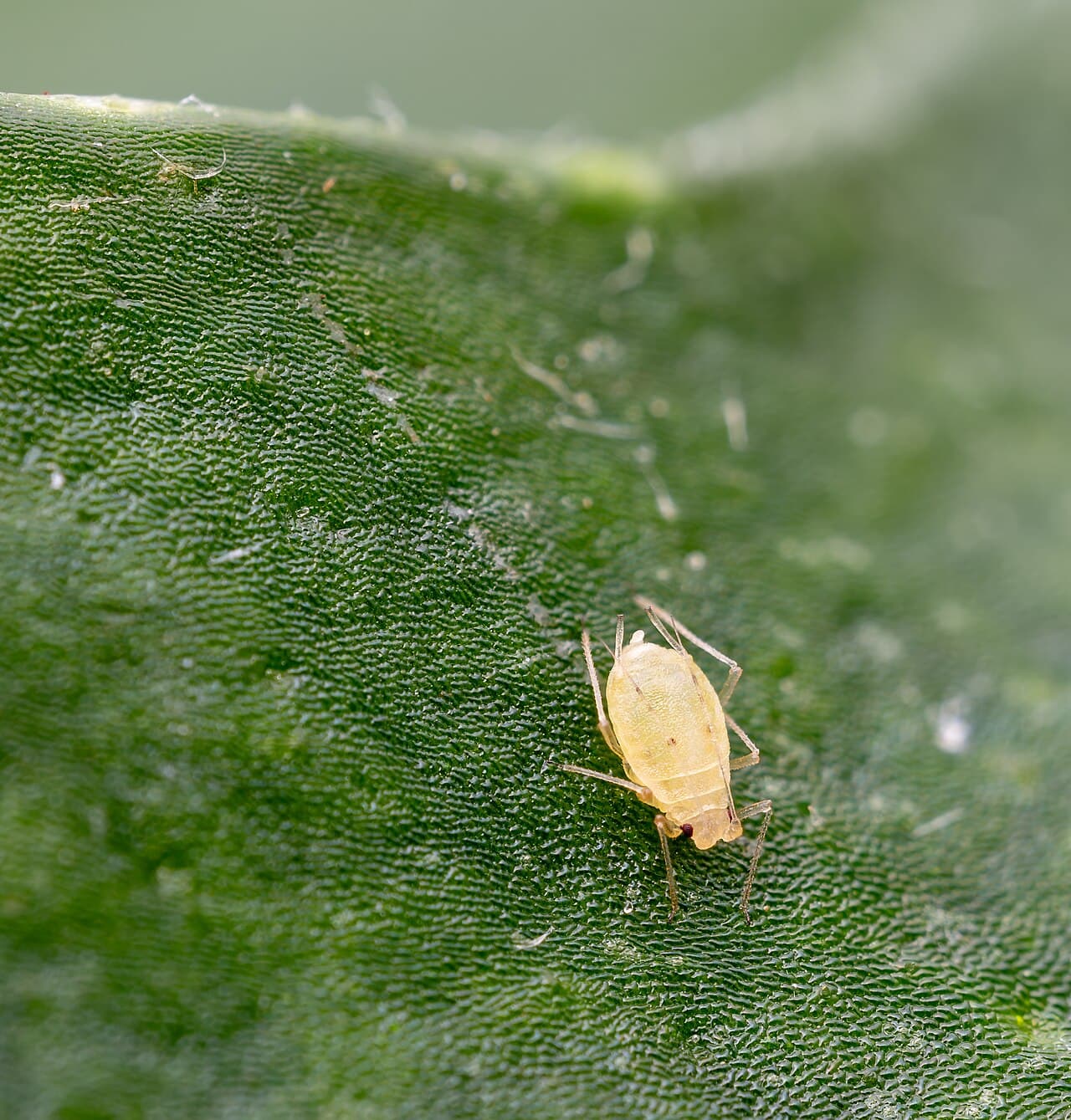

Check these first
- Inspect the undersides of the fronds closely.
- Try to scrape a bump off with your fingernail.
- Check nearby plants for the same bumps.
Likely causes
Scale Insects
Most likelyHow to tell: You will see small, hard, brown or tan bumps on the leaves or stems. They often look like part of the plant but can be scraped off with a fingernail.
What to do: Wipe the leaves with a soft cloth dipped in rubbing alcohol to remove the insects. Follow up with a neem oil spray every 7 to 10 days until they are gone.
Find out what's wrong with your sago palm
The list above covers the usual causes. Pocket Botanist looks at a photo of your actual plant and tells you the likely cause, how serious it is, and what to try first. Identification and a health check are free.



Scan with your phone's camera to get the app
Or go to pocketbotanist.app/get on your phone
When to worry
Scale can weaken your plant significantly if left unchecked. Treat them as soon as you spot them to prevent a full infestation.
Stopping it coming back
Keep your plant healthy and inspect the leaves every time you water. Avoid overcrowding your plants to improve airflow.
Sago Palm: pests? Check yours with a photo
Every plant is a little different. Take a photo of your sago palm and Pocket Botanist tells you which cause is most likely, how serious it is, and what to try first. A few checks a day are free. Save the plant and you get care reminders timed for it.
Scan with your phone's camera to get the app
Or go to pocketbotanist.app/get on your phone
Get the app · Or check it from a photo now, free
Questions people ask
- Are scale insects harmful?
- Yes, they drain the plant of nutrients and can cause fronds to yellow or drop. They also leave behind a sticky residue that can attract other problems.
- Will one treatment kill them all?
- Usually not. You need to repeat the treatment because the young scale insects are often hidden and hard to reach.
Guides to these causes
More problems with Sago Palm
This article was generated with AI on from the plant’s care profile and is general information, not horticultural advice. Read about how we build these guides.