 Pocket Botanist
Plant guide
Kousa dogwood.
Cornus kousa
Pronounced KOR-nus KOO-suh
Also known as Chinese Dogwood, Japanese Dogwood, Korean Dogwood, Kousa, Kousa Dogwood, Snow Tower



Scan with your phone's camera to get the app
Or go to pocketbotanist.app/get on your phone
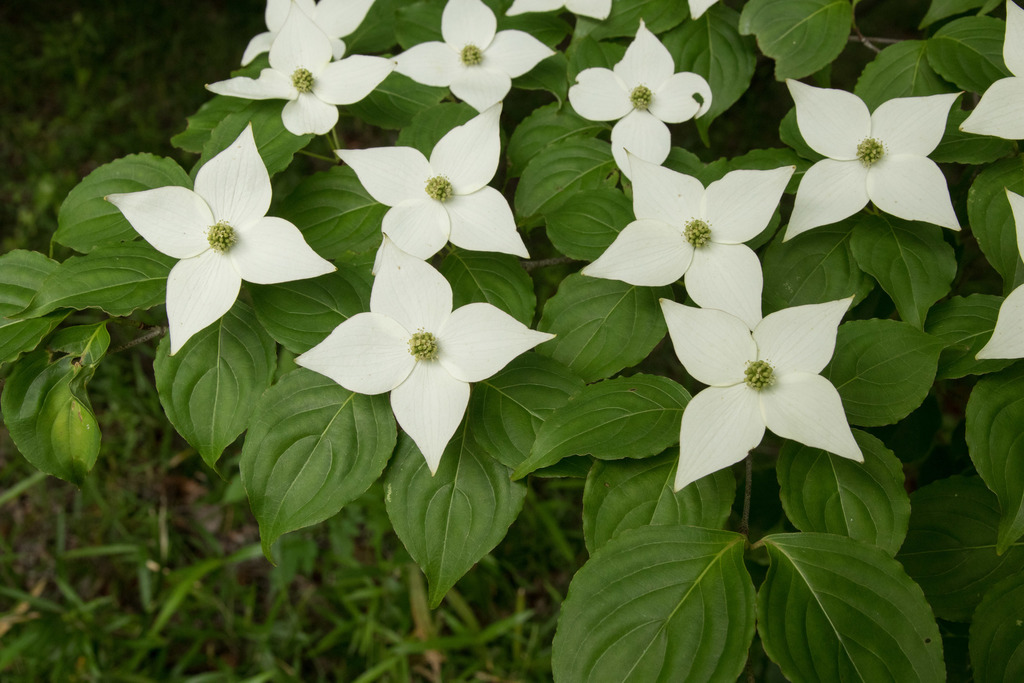
The Kousa dogwood is a lovely deciduous tree known for its stunning display of pointed bracts that look like flowers. It produces unique, raspberry like fruit in the late summer that birds absolutely adore. This tree brings a wonderful architectural interest to the garden throughout every season.
At a glance
- Care level
- Moderate
- Plant type
- Deciduous tree
- Light
- Full sun to partial shade
- Indoor light
- Bright indirect
- Water
- Every 7 to 14 days
- Mature size
- 15 to 30 feet
- Growth rate
- Medium
- Hardiness
- USDA 5 to 8
- Bloom time
- Late spring to early summer
Care
Plant this tree in a spot with well draining soil that stays consistently moist but not waterlogged. Keep an eye out for leaf scorch during hot summer spells, which means it needs more shade or extra water. Mulching around the base helps keep the roots cool and happy.
- Watering
- Water deeply during dry periods to keep the soil evenly moist.
- Feeding
- Apply a balanced slow release fertilizer in early spring before new growth starts.
- Pruning
- Prune only to remove dead or crossing branches during the dormant winter season.
- Repotting
- If kept in a container, move to a larger pot every few years to accommodate root growth.
- Soil
- Acidic, organic rich, well drained soil
- Soil pH
- 5.5 to 6.5
- Temperature
- -28 to 35°C
- Humidity
- 40 to 70%
- Drought tolerance
- Moderate
- Lifespan
- Perennial, typically 30 to 50 years.
- Deer and rabbits
- Moderate
Signs it needs repotting
- Roots growing out of the drainage holes
- Water running straight through the pot
- Stunted growth during the active season
Safety
- People
- This plant is not considered toxic to humans.
- Children
- The fruit is safe to handle, but always supervise young children to prevent choking on the seeds.
- Contact allergens
- Some individuals may experience mild skin irritation from handling the foliage.
- Airborne allergens
- The pollen may cause mild seasonal allergies in sensitive individuals.
- Edibility
- The fruit is edible but has a gritty texture and a somewhat bland flavor that many people find unappealing.
How to identify it
- Pointed white or pinkish bracts
- Exfoliating bark with mottled pattern
- Raspberry like edible red fruit
- Dark green ovate leaves
- Upright vase shaped growth habit
- Height
- 4.5 to 9m
- Spread
- 4.5 to 9m
- Leaves
- green, deciduous
- Flowers
- white, cream, 5 to 10cm
- Fruit
- pink, red, Late summer to autumn
Problems to watch for
- Dogwood anthracnose · A fungal infection that causes leaf spots and twig dieback.
- Powdery mildew · A white fungal growth on leaves that occurs in humid conditions.
Check your kousa dogwood from a photo
Pocket Botanist looks at a photo of your plant and tells you what's wrong and what to try first.
Scan with your phone's camera to get the app
Or go to pocketbotanist.app/get on your phone
Growing it
- Propagation
- seed, cuttings
- When to plant
- spring, autumn
- Overwintering
- Apply a layer of mulch around the base to protect roots from temperature fluctuations. No special protection is needed for the branches in its hardiness range.
- In containers
- It can be grown in large containers for several years, but it will eventually require planting in the ground.
Seed
- Collect ripe fruit in autumn.
- Clean the seeds and store in moist sand in the fridge for 3 months.
- Sow in pots in early spring.
Planting low growing perennials around the base helps keep the root zone cool and moist.
Grows well with
Similar species
- Flowering Dogwood · A close relative that blooms earlier but is more susceptible to disease.
Science
- Family
- Cornaceae
- Genus
- Cornus
- Order
- Cornales
- Class
- Magnoliopsida
- Native range
- East Asia including Japan, Korea, and China.
- Conservation
- This species is not of conservation concern.
It grows in forest margins where it benefits from dappled light and moist, well drained soil.
- Value to wildlife
- nectar source, provides fruit for birds
- Pollinators
- bees, butterflies
- Uses
- ornamental specimen, woodland garden, patio tree
Through the year
Ecological indicators
- Salinity
- 1/9
- Soil reaction
- 5/9
- Light
- 6/9
- Temperature
- 5/9
- Moisture
- 5/9
- Nutrients
- 5/9
Taxonomy resolved against GBIF.
Questions people ask
- Does it need full sun?
- It prefers full sun to partial shade, especially in hotter climates.
- How often should I prune it?
- Pruning is rarely needed, but you can remove dead or crossing branches in late winter.
Where the name comes from
The name Cornus comes from the Latin word for horn, referring to the hard wood, while kousa is the Japanese name for this tree.
Good to know
- The fruit is technically a syncarp, which is a cluster of individual drupes fused together.
- It is much more resistant to disease than the native flowering dogwood.
- The bark exfoliates as the tree ages, creating a beautiful mottled pattern.
Keep your kousa dogwood growing
This page is a general guide. Save your plant in Pocket Botanist and you get care reminders timed for this plant, plus a care history that shows what worked.
Scan with your phone's camera to get the app
Or go to pocketbotanist.app/get on your phone
This guide was generated with AI on and checked against GBIF taxonomy. It is general information, not horticultural or veterinary advice. Read about how we build these guides.