 Pocket Botanist
Plant guide
Variegated dogwood.
Cornus alba 'Elegantissima'
Pronounced KOR-nus AL-ba
Also known as Cornus alba 'Elegantissima', Red-bark dogwood, Siberian dogwood, Tartarian dogwood, Tatarian dogwood, White Dogwood


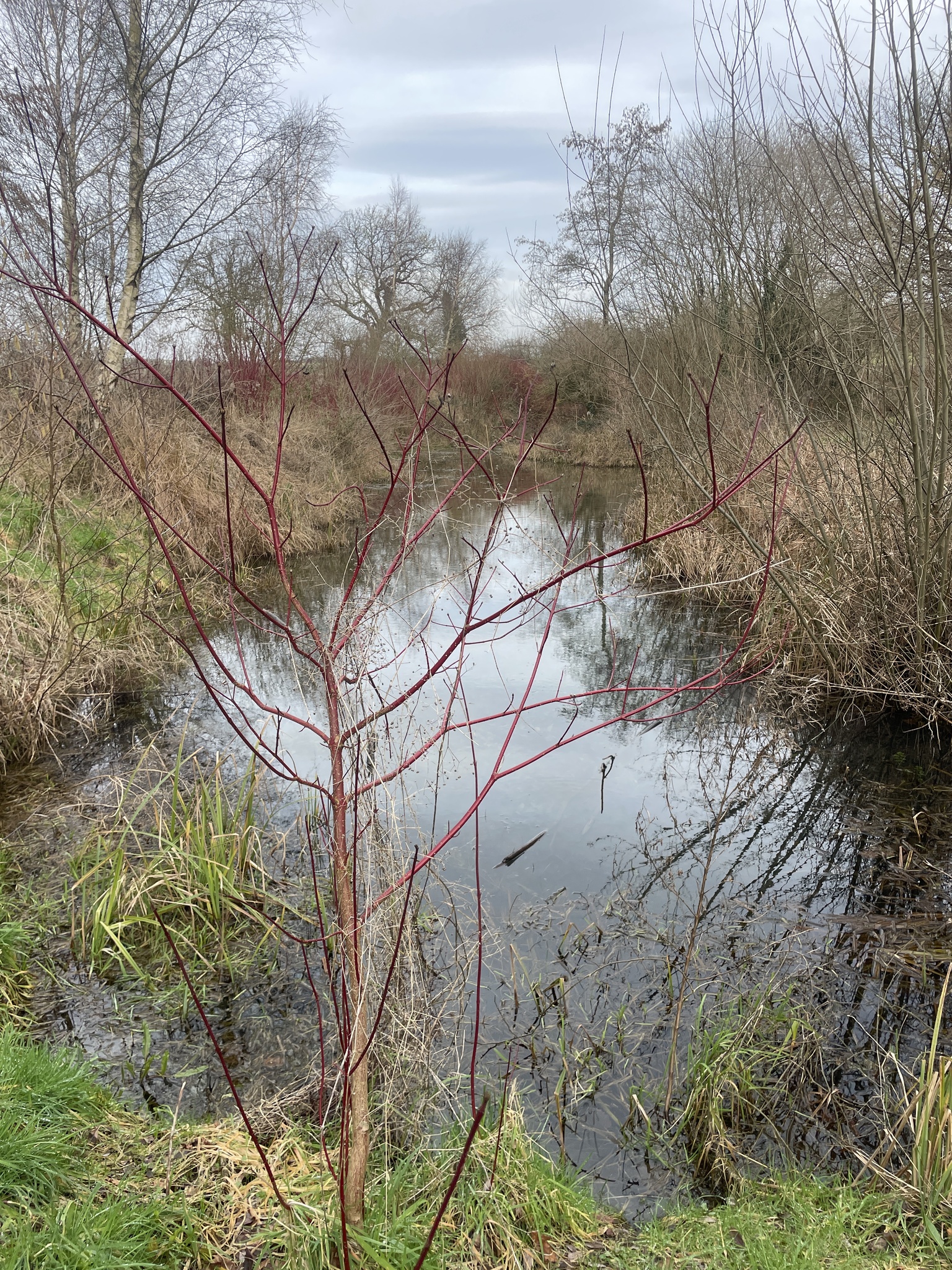
This hardy shrub is a real standout in the garden, especially during winter when its bright red stems shine against the snow. It features lovely green leaves with creamy white margins that turn a soft pink or red in the fall. You will love how it brings year round interest to your landscape.
At a glance
- Care level
- Easy
- Plant type
- Deciduous shrub
- Light
- Full sun to partial shade
- Indoor light
- bright-indirect
- Water
- Every 3 to 7 days
- Mature size
- 2 to 3 meters
- Growth rate
- fast
- Hardiness
- USDA 3 to 8
- Bloom time
- Late spring to early summer
Care
Keep the soil consistently moist, as this dogwood loves a good drink. Prune back the oldest stems every few years to encourage vibrant new red growth. Watch for leaf scorch if the plant gets too much intense afternoon sun.
- Watering
- Water deeply during dry spells to keep the soil evenly moist.
- Feeding
- Apply a balanced slow release fertilizer in early spring.
- Pruning
- Prune in late winter to remove old wood and stimulate colorful new growth.
- Repotting
- Repot only if container grown, otherwise plant directly in the ground.
- Soil
- Moist, well-draining, fertile soil
- Soil pH
- Acidic to neutral
- Temperature
- -30 to 30°C
- Humidity
- 40 to 70%
- Drought tolerance
- low
- Lifespan
- Perennial, typically 15 to 20 years.
- Deer and rabbits
- moderate
Signs it needs repotting
- Roots growing out of the drainage holes.
- Water running straight through the pot without soaking in.
- The plant stops growing even during the active season.
Safety
- People
- This plant is not considered toxic to humans, but eating the berries is not recommended.
- Pets
- This plant is generally considered non-toxic to cats and dogs.
- Children
- The berries might be a choking hazard for small children if ingested.
- Contact allergens
- Some people may experience mild skin irritation from handling the stems or leaves.
- Airborne allergens
- The pollen can be a minor trigger for those with seasonal allergies.
- Edibility
- The berries are generally considered inedible for humans due to their bitter taste and potential for stomach upset.
How to identify it
- Green leaves with creamy white margins
- Bright red stems in winter
- Small clusters of white flowers
- White to light blue berries
- Opposite leaf arrangement
- Height
- 1.5 to 3m
- Spread
- 1.5 to 3m
- Leaves
- green, white, deciduous
- Flowers
- white, 0.5 to 1cm
- Fruit
- white, blue, Late summer
Common problems
- Dogwood sawfly — Larvae can quickly skeletonize the leaves during the summer.
- Powdery mildew — A white fungal coating appears on leaves during humid weather.
Growing it
- Propagation
- cuttings, layering
- When to plant
- spring, autumn
- Overwintering
- No special winter protection is needed as it is quite hardy. You can prune it in late winter before new growth starts to ensure bright stems for the following year.
- In containers
- It grows well in containers at least 15 to 20 gallons in size, provided you keep the soil consistently moist.
Hardwood cuttings
- Take 6 to 8 inch cuttings from dormant stems in late winter.
- Dip the cut end in rooting hormone.
- Place the cuttings in a pot of moist sand or potting mix.
- Keep them in a cool, bright spot until roots develop in spring.
Pair this shrub with moisture loving perennials to create a lush, low maintenance border that handles damp spots with ease.
Grows well with
- Hosta — They enjoy the same moist, partially shaded conditions and provide a nice texture contrast.
- Siberian Iris — These perennials thrive in the same damp soil and look lovely near the shrub base.
- Ferns — Ferns love the dappled shade and moisture that this dogwood provides.
Similar species
- Red Osier Dogwood — It is a North American native with very similar red stems and white berries.
- Bloodtwig Dogwood — This species also features colorful winter stems but is native to Europe.
Science
- Family
- Cornaceae
- Genus
- Cornus
- Order
- Cornales
- Class
- Magnoliopsida
- Native range
- Siberia, northern China, and Korea.
- Conservation
- This species is common and not of conservation concern.
It thrives in moist, cool environments and often colonizes riverbanks or damp woodland edges.
- Value to wildlife
- nectar source, winter food for birds
- Pollinators
- bees, butterflies
- Uses
- ornamental shrub, winter interest, erosion control, hedging
Through the year
Ecological indicators
- Salinity
- 2/9
- Soil reaction
- 5/9
- Light
- 6/9
- Temperature
- 4/9
- Moisture
- 7/9
- Nutrients
- 5/9
Taxonomy resolved against GBIF.
Questions people ask
- Why are my stems not red?
- Older stems lose their color, so you should prune out the oldest wood every spring to encourage new, bright red growth.
- Can I grow this in a pot?
- Yes, it does well in large containers, but make sure to keep it well watered.
Where the name comes from
Cornus comes from the Latin word for horn, referring to the hard wood, while alba means white, referencing the white berries.
Good to know
- The stems turn a brilliant red color in the winter.
- It is incredibly hardy and tolerates wet soil better than many other shrubs.
- Birds love the white berries that appear in late summer.
- It grows very quickly and can reach its full size in just a few years.
Is your variegated dogwood looking unwell?
This page is a general guide. Pocket Botanist diagnoses problems from a photo of your actual plant, works out watering for your light and conditions, and reminds you when care is due.
This guide was generated with AI and checked against GBIF taxonomy. It is general information, not horticultural or veterinary advice. Read about how we build these guides.