 Pocket Botanist
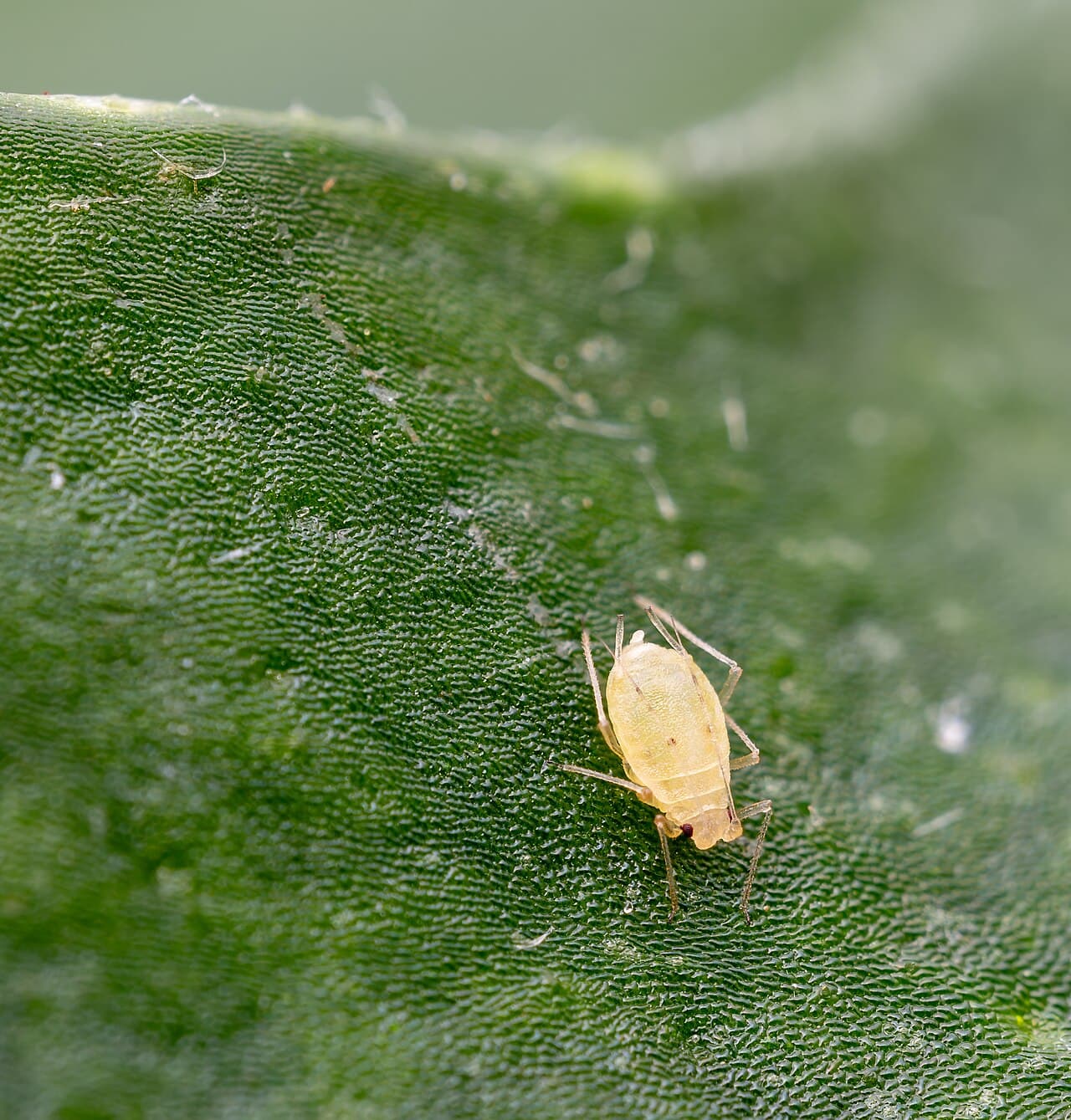

Check these first
- Inspect the undersides of the leaves.
- Look for white powdery patches on the leaf surface.
- Check for sticky residue on the stems.
Likely causes
Powdery Mildew
Most likelyHow to tell: White, flour-like spots appear on the surface of the leaves. It spreads quickly during periods of low humidity.
What to do: Improve air circulation around the plant immediately. You can wipe the leaves with a damp cloth or use a mild neem oil spray.
Aphids
PossibleHow to tell: Small, soft-bodied insects cluster on the undersides of leaves or on new stems. You might see sticky residue on the foliage.
What to do: Wash the leaves gently with a stream of water to dislodge the pests. Apply insecticidal soap if the infestation persists.
Find out what's wrong with your rough chervil
The list above covers the usual causes. Pocket Botanist looks at a photo of your actual plant and tells you the likely cause, how serious it is, and what to try first. Identification and a health check are free.



Scan with your phone's camera to get the app
Or go to pocketbotanist.app/get on your phone
When to worry
Small numbers of pests can be managed easily. Worry if the leaves begin to curl or if the plant stops growing entirely.
Stopping it coming back
Keep the plant healthy with proper watering and ensure it has good airflow to prevent fungal growth.
Rough chervil: pests? Check yours with a photo
Every plant is a little different. Take a photo of your rough chervil and Pocket Botanist tells you which cause is most likely, how serious it is, and what to try first. A few checks a day are free. Save the plant and you get care reminders timed for it.
Scan with your phone's camera to get the app
Or go to pocketbotanist.app/get on your phone
Get the app · Or check it from a photo now, free
Questions people ask
- Is powdery mildew harmful?
- It can weaken the plant and make it look unsightly. Treating it early prevents it from spreading to other parts of the plant.
- How do I stop pests from coming back?
- Regularly inspect your plant and keep it in a well-ventilated area. Avoid overcrowding your plants to ensure good airflow.
Guides to these causes
More problems with Rough chervil
- Why is my Rough chervil drooping?
- Why are there spots on my Rough chervil leaves?
- Why is my Rough chervil looking leggy?
- Why are my rough chervil leaves turning yellow?
- Why are my rough chervil leaf tips turning brown?
- Why is my rough chervil suffering from root rot?
- Why are my rough chervil leaves curling?
Back to the Rough chervil guide
This article was generated with AI on from the plant’s care profile and is general information, not horticultural advice. Read about how we build these guides.