 Pocket Botanist
Plant guide
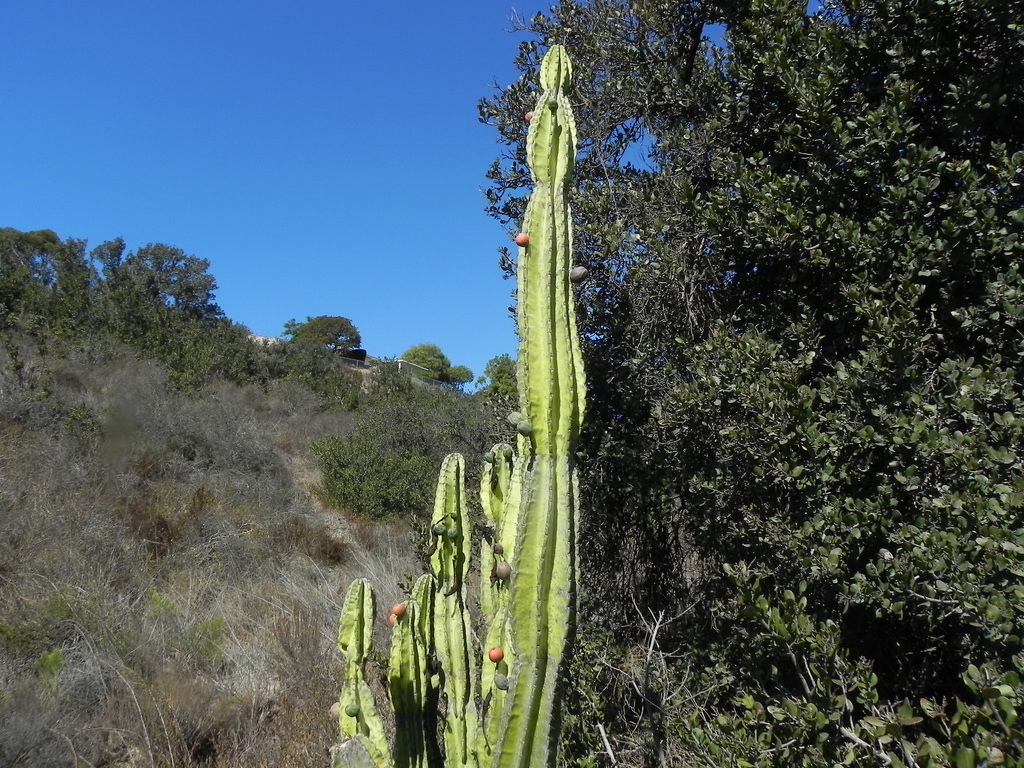
Peruvian apple cactus.
Cereus repandus
Pronounced SEER-ee-us ree-PAN-dus
Also known as Apple Cactus, Candelabra cactus, Peruvian apple cactus, Sweetpotato cactus, giant club cactus, hedge cactus



Scan with your phone's camera to get the app
Or go to pocketbotanist.app/get on your phone

This impressive cactus grows into a tall, tree like structure with beautiful, ribbed stems. It is a fantastic choice if you want a bold architectural statement in a sunny spot. You will love how it brings a desert vibe right into your home.
At a glance
- Care level
- Easy
- Plant type
- Succulent
- Light
- Full sun
- Indoor light
- Direct sun
- Water
- Every 14 to 30 days
- Mature size
- 15 to 20 feet
- Growth rate
- Medium
- Hardiness
- USDA 10 to 12
- Bloom time
- Late spring to summer
Care
Give this cactus plenty of sun and let the soil dry out completely between waterings. Watch for shriveling stems, which means it is thirsty, or mushy spots, which indicate too much water. It thrives when you mostly leave it alone.
- Watering
- Water only when the soil is bone dry throughout the pot.
- Feeding
- Feed with a balanced cactus fertilizer during the active growing season.
- Pruning
- Prune only to remove dead or damaged sections using sterilized tools.
- Repotting
- Repot when the plant becomes top heavy or outgrows its current container.
- Soil
- Well draining cactus mix
- Soil pH
- 6.0 to 7.5
- Temperature
- 5 to 40°C
- Humidity
- 10 to 40%
- Drought tolerance
- High
- Lifespan
- Perennial, can live for several decades.
- Fragrance
- Strong
- Deer and rabbits
- High
Signs it needs repotting
- Roots growing out of the drainage holes
- The plant becomes top-heavy and unstable
- Growth slows significantly during the active season
Safety
- People
- The plant is generally non-toxic, but the sharp spines can cause physical injury.
- Pets
- This plant is generally considered non toxic to cats and dogs.
- Children
- Keep this plant away from small children due to the extremely sharp, long spines that can cause painful injuries.
- Contact allergens
- The spines can cause mechanical skin irritation and potential infection if they puncture the skin.
- Airborne allergens
- There is no significant respiratory allergen risk associated with this cactus.
- Edibility
- Ensure you have correctly identified the plant before consuming the fruit, as some ornamental cacti can cause digestive upset.
How to identify it
- Tall columnar growth habit
- Prominent vertical ribs
- Sharp spines along ridges
- Blue green waxy stem surface
- Height
- 3 to 6m
- Spread
- 1.5 to 3m
- Leaves
- blue-green, grey-green, evergreen
- Flowers
- white, cream, 10 to 15cm
- Fruit
- red, yellow, purple, Late summer to autumn
Problems to watch for
- Mealybugs · Small white cottony insects that suck sap from the stems.
- Root rot · Fungal decay caused by overly wet soil or poor drainage.
Check your peruvian apple cactus from a photo
Pocket Botanist looks at a photo of your plant and tells you what's wrong and what to try first.
Scan with your phone's camera to get the app
Or go to pocketbotanist.app/get on your phone
Growing it
- Propagation
- cuttings, seed
- When to plant
- spring, summer
- Overwintering
- Move the plant indoors or to a protected area if temperatures drop near freezing. Keep it dry during the winter months to prevent rot.
- In containers
- It grows well in large, heavy pots that prevent tipping, requiring a minimum 30 centimeter diameter pot for young plants.
Stem Cuttings
- 1. Cut a healthy stem segment during the growing season.
- 2. Allow the cut end to callous over in a dry, shaded spot for one week.
- 3. Insert the calloused end into a well-draining cactus potting mix.
- 4. Keep the soil barely moist until roots develop.
Group this cactus with other succulents that prefer the same dry, well-draining soil conditions to prevent overwatering.
Grows well with
Similar species
- Saguaro · It shares the iconic columnar growth habit but grows much slower.
Science
- Family
- Cactaceae
- Genus
- Cereus
- Order
- Caryophyllales
- Class
- Magnoliopsida
- Native range
- South America, specifically regions in the Caribbean and northern South America.
- Conservation
- This species is not currently listed as endangered or threatened in its native range.
It survives in arid, rocky environments by storing water in its thick, succulent stems.
- Value to wildlife
- nectar source, provides fruit for birds
- Pollinators
- bees, moths, bats
- Uses
- ornamental specimen, edible fruit, living fence, xeriscaping
Through the year
Ecological indicators
- Salinity
- 5/9
- Soil reaction
- 6/9
- Light
- 8/9
- Temperature
- 8/9
- Moisture
- 2/9
- Nutrients
- 3/9
Taxonomy resolved against GBIF.
Questions people ask
- How often should I water it?
- Water deeply but infrequently, allowing the soil to dry out completely between waterings.
- Does it need full sun?
- Yes, it thrives in bright, direct sunlight for most of the day.
Where the name comes from
The name Cereus comes from the Latin word for wax candle, referring to the tall, columnar shape of the stems.
Good to know
- It is often called the Peruvian Apple Cactus.
- The fruit is known as pitaya or Peruvian apple in some regions.
- It can grow quite rapidly in ideal conditions.
- The stems are often used as living fences in its native habitat.
- It is highly tolerant of salt spray near coastal areas.
Also in
Keep your peruvian apple cactus growing
This page is a general guide. Save your plant in Pocket Botanist and you get care reminders timed for this plant, plus a care history that shows what worked.
Scan with your phone's camera to get the app
Or go to pocketbotanist.app/get on your phone
This guide was generated with AI on and checked against GBIF taxonomy. It is general information, not horticultural or veterinary advice. Read about how we build these guides.