 Pocket Botanist

Check these first
- Check if the soil feels waterlogged or smells sour.
- Gently pull the plant to see if it is loose in the ground.
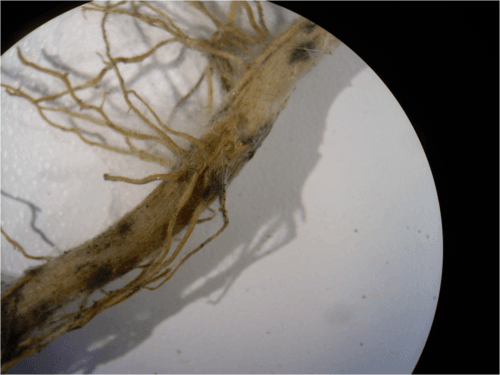
- Examine the roots for a dark, mushy appearance.
Likely causes
Poor soil drainage
Most likelyHow to tell: The plant looks wilted even when the soil is wet, and the base of the stem may feel soft or mushy. The roots will appear brown and slimy rather than firm and white.
What to do: Carefully dig up the plant and inspect the root system. Trim away any black or mushy roots with sterilized shears and replant in a spot with better drainage or amend the soil with grit and compost.
Overwatering
PossibleHow to tell: The soil stays soggy for more than 4 days, leading to yellowing leaves that eventually collapse. The plant will show signs of stress despite being constantly watered.
What to do: Adjust your watering schedule to allow the top inch of soil to dry slightly between waterings. Ensure the plant is not sitting in a low spot where water pools after rain.
Find out what's wrong with your himalayan blue poppy
The list above covers the usual causes. Pocket Botanist looks at a photo of your actual plant and tells you the likely cause, how serious it is, and what to try first. Identification and a health check are free.



Scan with your phone's camera to get the app
Or go to pocketbotanist.app/get on your phone
When to worry
Root rot is a serious condition that can kill the plant quickly if not addressed. If the entire root system is mushy, the plant is likely beyond saving.
Stopping it coming back
Always plant your Himalayan blue poppy in well draining, rich soil. Avoid heavy clay soils unless you amend them heavily with organic matter.
Himalayan blue poppy: root rot? Check yours with a photo
Every plant is a little different. Take a photo of your himalayan blue poppy and Pocket Botanist tells you which cause is most likely, how serious it is, and what to try first. A few checks a day are free. Save the plant and you get care reminders timed for it.
Scan with your phone's camera to get the app
Or go to pocketbotanist.app/get on your phone
Get the app · Or check it from a photo now, free
Questions people ask
- How often should I water to avoid rot?
- Water every 2 to 4 days depending on the heat. Always check the soil moisture with your finger before adding more water.
- Can I save a plant with root rot?
- If you catch it early and remove the damaged roots, you can replant it in fresh, well draining soil. Keep it shaded and lightly watered while it recovers.
More problems with Himalayan blue poppy
- Why are slugs and snails eating my Himalayan blue poppy?
- Why are the leaves on my Himalayan blue poppy turning yellow?
- Why are my Himalayan blue poppy leaves getting brown tips?
- Why is my Himalayan blue poppy drooping?
- Why are there spots on my Himalayan blue poppy leaves?
- Why is my Himalayan blue poppy not flowering?
- Why is my Himalayan blue poppy looking leggy?
Back to the Himalayan blue poppy guide
This article was generated with AI on from the plant’s care profile and is general information, not horticultural advice. Read about how we build these guides.