 Pocket Botanist
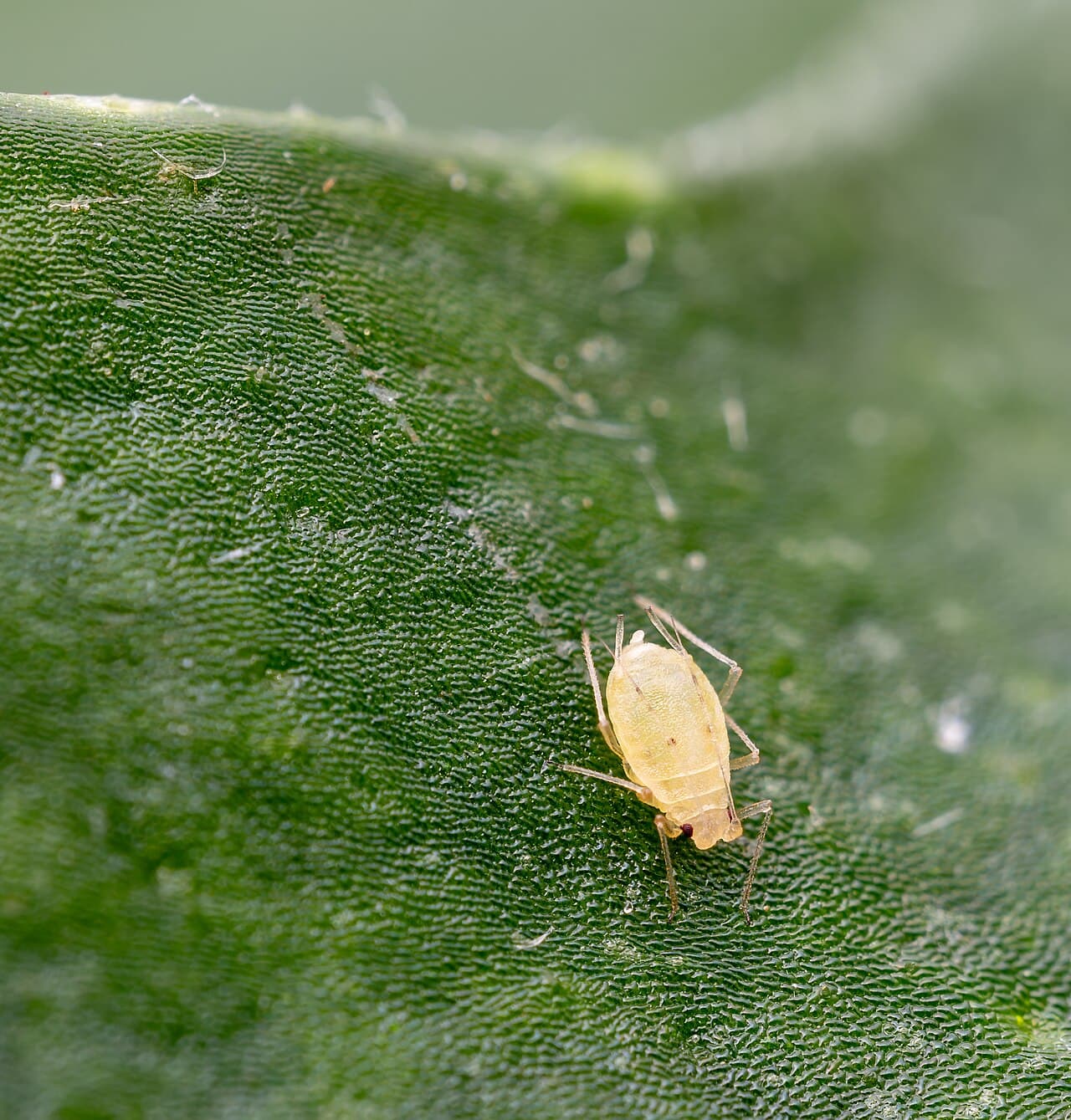

Check these first
- Inspect the undersides of leaves for small eggs or hiding pests.
- Check for shiny slime trails on the soil or leaves.
- Look for irregular holes chewed into the edges of the foliage.
Likely causes
Slug and snail infestation
Most likelyHow to tell: You will see irregular holes in the leaves and slimy trails left behind on the foliage or soil. They often target the youngest, most tender growth first.
What to do: Handpick the pests in the early morning or late evening when they are active. Apply a pet safe iron phosphate bait around the base of the plant to deter them. You can also place copper tape around the perimeter of your garden bed to create a barrier.
Excessive moisture
PossibleHow to tell: Consistently wet soil and dense mulch create the perfect humid environment for slugs to thrive. If the area stays damp for days, it invites more pests.
What to do: Clear away thick mulch from directly touching the crown of the plant. Water only at the base in the morning so the foliage stays dry throughout the day. Improve soil drainage by adding organic compost to the planting site.
Find out what's wrong with your himalayan blue poppy
The list above covers the usual causes. Pocket Botanist looks at a photo of your actual plant and tells you the likely cause, how serious it is, and what to try first. Identification and a health check are free.



Scan with your phone's camera to get the app
Or go to pocketbotanist.app/get on your phone
When to worry
You should worry if the pests are destroying the central growing point or eating the flower buds before they open. A few small holes on older leaves are usually manageable.
Stopping it coming back
Keep the area around your poppies tidy and remove debris where slugs hide during the day. Use physical barriers like crushed eggshells or copper rings early in the season.
Himalayan blue poppy: pests? Check yours with a photo
Every plant is a little different. Take a photo of your himalayan blue poppy and Pocket Botanist tells you which cause is most likely, how serious it is, and what to try first. A few checks a day are free. Save the plant and you get care reminders timed for it.
Scan with your phone's camera to get the app
Or go to pocketbotanist.app/get on your phone
Get the app · Or check it from a photo now, free
Questions people ask
- Can I use salt to kill the slugs?
- No, do not use salt as it will damage your soil and harm the poppy roots. Stick to physical barriers or iron phosphate baits.
- Will my poppy recover from heavy slug damage?
- If the crown remains intact, the plant will likely produce new leaves. Keep it well watered and protected from further attacks while it recovers.
Guides to these causes
More problems with Himalayan blue poppy
- Why is my Himalayan blue poppy wilting and showing root rot?
- Why are the leaves on my Himalayan blue poppy turning yellow?
- Why are my Himalayan blue poppy leaves getting brown tips?
- Why is my Himalayan blue poppy drooping?
- Why are there spots on my Himalayan blue poppy leaves?
- Why is my Himalayan blue poppy not flowering?
- Why is my Himalayan blue poppy looking leggy?
Back to the Himalayan blue poppy guide
This article was generated with AI on from the plant’s care profile and is general information, not horticultural advice. Read about how we build these guides.