 Pocket Botanist

Check these first
- Look closely at the base of the leaves for tiny bugs.
- Check for sticky residue on the foliage.
- Examine the plant for fine webs.
Likely causes
Aphids
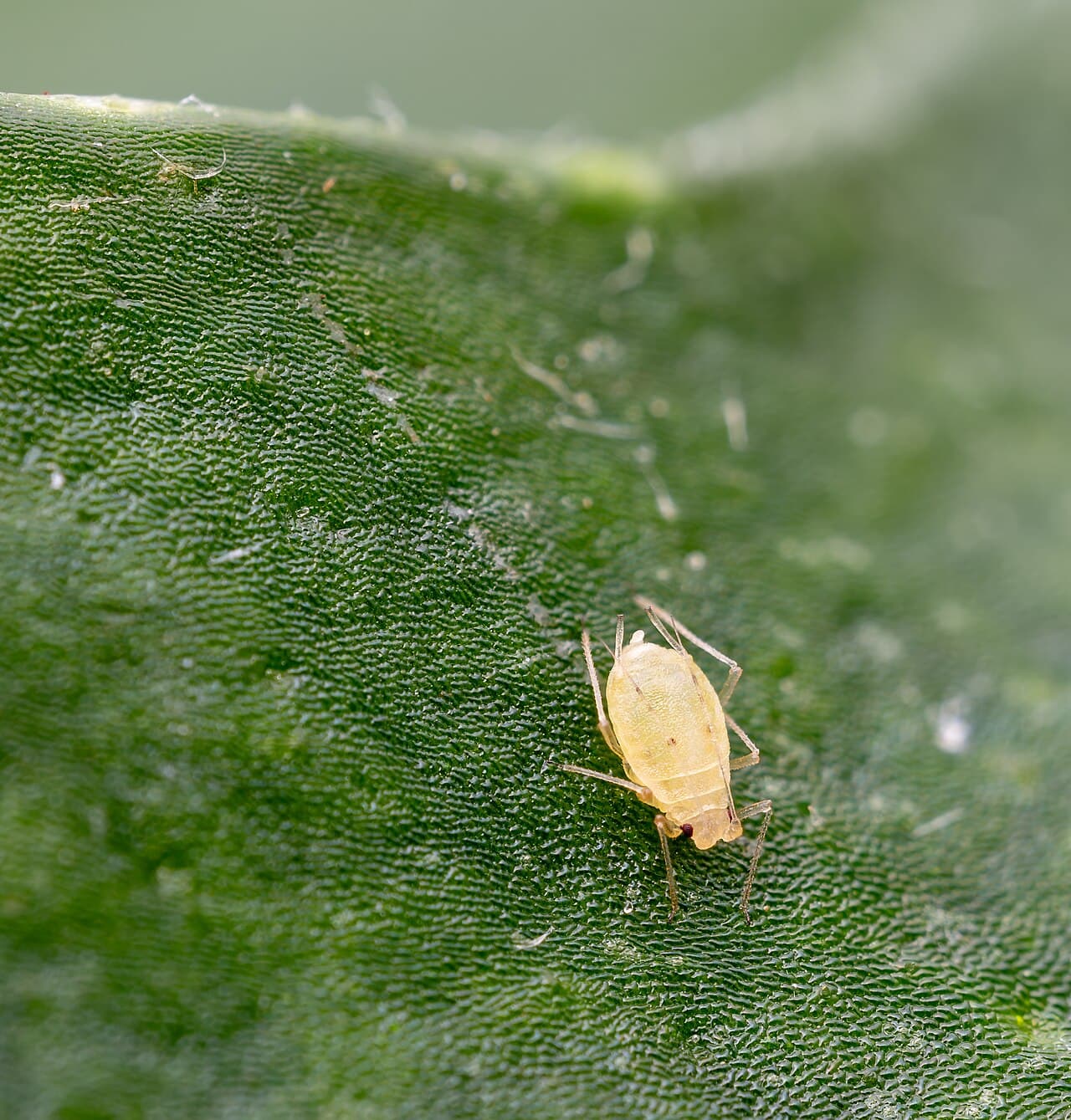
Most likelyHow to tell: You will see tiny green or black insects clustering on the new growth. They leave behind a sticky substance called honeydew.
What to do: Spray the foliage with a gentle stream of water to knock them off. If they persist, apply insecticidal soap once a week for 3 weeks.
Spider mites
PossibleHow to tell: Fine webbing appears between the blades of grass. The leaves may look stippled or lose their vibrant green color.
What to do: Increase the humidity around the plant by misting it daily. Use a damp cloth to wipe down the leaves and remove the mites.
Find out what's wrong with your remote sedge
The list above covers the usual causes. Pocket Botanist looks at a photo of your actual plant and tells you the likely cause, how serious it is, and what to try first. Identification and a health check are free.



Scan with your phone's camera to get the app
Or go to pocketbotanist.app/get on your phone
When to worry
Worry if the plant starts losing vigor or the leaves become distorted. A few bugs are manageable, but a full infestation needs immediate action.
Stopping it coming back
Keep the plant healthy with proper water and good air circulation. Periodically inspect the foliage during your watering routine.
Remote sedge: pests? Check yours with a photo
Every plant is a little different. Take a photo of your remote sedge and Pocket Botanist tells you which cause is most likely, how serious it is, and what to try first. A few checks a day are free. Save the plant and you get care reminders timed for it.
Scan with your phone's camera to get the app
Or go to pocketbotanist.app/get on your phone
Get the app · Or check it from a photo now, free
Questions people ask
- Do I need harsh chemicals?
- No, avoid harsh pesticides. Insecticidal soap or a simple water spray is usually enough for this sedge.
- Will pests kill my plant?
- Only if left untreated for a long time. Catching them early makes them very easy to manage.
Guides to these causes
More problems with remote sedge
Back to the remote sedge guide
This article was generated with AI on from the plant’s care profile and is general information, not horticultural advice. Read about how we build these guides.