 Pocket Botanist
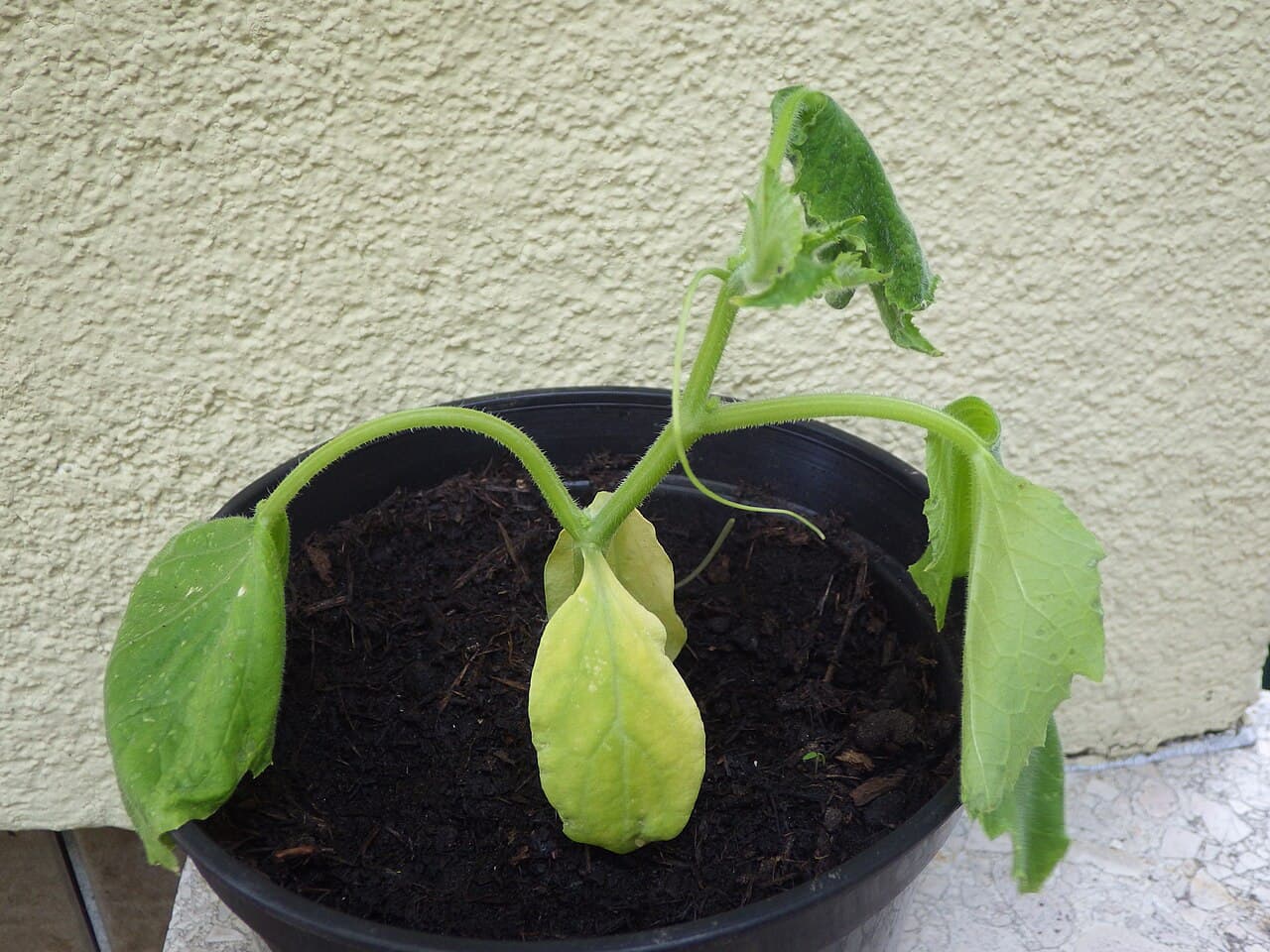

Check these first
- Check the soil for excess moisture.
- Assess the light levels in the current spot.
- Inspect the roots for signs of decay.
Likely causes
Root Rot
Most likelyHow to tell: The stems look limp and the soil stays soggy for a long time. The roots may smell sour or look mushy when inspected.
What to do: Repot the plant into fresh, well-draining soil and trim away any black, mushy roots. Reduce your watering frequency to ensure the top inch of soil dries out between waterings.
Insufficient Light
PossibleHow to tell: The stems look pale and stretch out toward the light source. The plant loses its bushy shape and starts to sag.
What to do: Move the plant to a spot with brighter indirect light. Ensure it is not in direct sun, which can burn the needles.
Find out what's wrong with your common asparagus fern
The list above covers the usual causes. Pocket Botanist looks at a photo of your actual plant and tells you the likely cause, how serious it is, and what to try first. Identification and a health check are free.



Scan with your phone's camera to get the app
Or go to pocketbotanist.app/get on your phone
When to worry
Drooping is a sign of a serious health issue for this plant. If the stems are mushy at the base, it is likely root rot.
Stopping it coming back
Never let the plant sit in standing water in its saucer.
Common asparagus fern: drooping? Check yours with a photo
Every plant is a little different. Take a photo of your common asparagus fern and Pocket Botanist tells you which cause is most likely, how serious it is, and what to try first. A few checks a day are free. Save the plant and you get care reminders timed for it.
Scan with your phone's camera to get the app
Or go to pocketbotanist.app/get on your phone
Get the app · Or check it from a photo now, free
Questions people ask
- Can I save a plant with root rot?
- Yes, if you catch it early. Remove the plant from the pot, wash the roots, trim the bad ones, and use fresh, dry soil.
- Does this plant flower?
- Yes, it can produce small white flowers in bright light, but it is not common indoors. It needs plenty of light and consistent care to bloom.
Guides to these causes
More problems with Common asparagus fern
Back to the Common asparagus fern guide
This article was generated with AI on from the plant’s care profile and is general information, not horticultural advice. Read about how we build these guides.