 Pocket Botanist

Check these first
- Inspect the trunk for small holes.
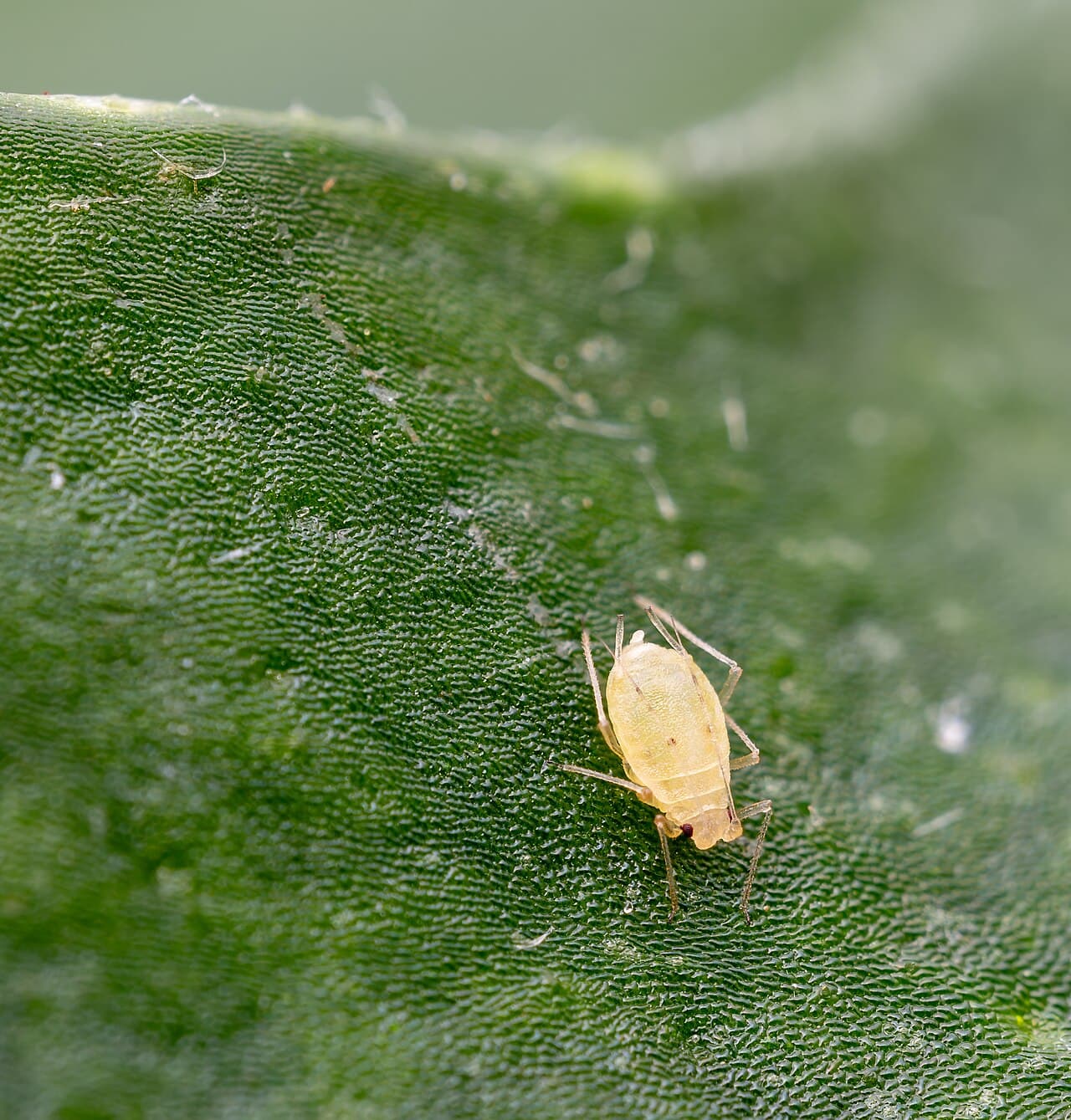
- Check the undersides of leaves for sticky residue.
- Look for white cottony spots on the stems.
Likely causes
Stem borer
Most likelyHow to tell: You see small holes in the trunk or sawdust like frass at the base of the tree. The tree may show signs of wilting or branch dieback.
What to do: Prune away infested branches immediately and dispose of them away from the tree. For trunk infestations, consult a professional arborist for systemic treatment.
Scale or mealybugs
PossibleHow to tell: Small bumps on the stems or white cottony patches in leaf axils. The leaves may look sticky or shiny.
What to do: Wipe the pests off with a cotton swab dipped in rubbing alcohol. Follow up with a spray of neem oil every 7 days until they are gone.
Find out what's wrong with your wild jack
The list above covers the usual causes. Pocket Botanist looks at a photo of your actual plant and tells you the likely cause, how serious it is, and what to try first. Identification and a health check are free.



Scan with your phone's camera to get the app
Or go to pocketbotanist.app/get on your phone
When to worry
Any sign of stem borer is serious and requires immediate action to save the tree. Minor scale infestations are manageable with regular cleaning.
Stopping it coming back
Keep your tree healthy with proper light and water to help it resist infestations. Inspect the trunk and leaves every time you water.
Wild Jack: pests? Check yours with a photo
Every plant is a little different. Take a photo of your wild jack and Pocket Botanist tells you which cause is most likely, how serious it is, and what to try first. A few checks a day are free. Save the plant and you get care reminders timed for it.
Scan with your phone's camera to get the app
Or go to pocketbotanist.app/get on your phone
Get the app · Or check it from a photo now, free
Questions people ask
- Can I use soap to kill pests?
- Yes, a mild dish soap mixed with water works well for surface pests. Avoid using harsh chemical sprays that might burn the leaves.
- How do I know if the borer is gone?
- Look for new sawdust or fresh holes. If no new signs appear for several months, the tree is likely recovering.
Guides to these causes
More problems with Wild Jack
This article was generated with AI on from the plant’s care profile and is general information, not horticultural advice. Read about how we build these guides.