 Pocket Botanist

Check these first
- Feel the soil to see if it is soggy or waterlogged.
- Inspect the drainage holes to ensure they are not blocked.
- Check for signs of pests that might be sucking sap from the leaves.
Likely causes
Overwatering
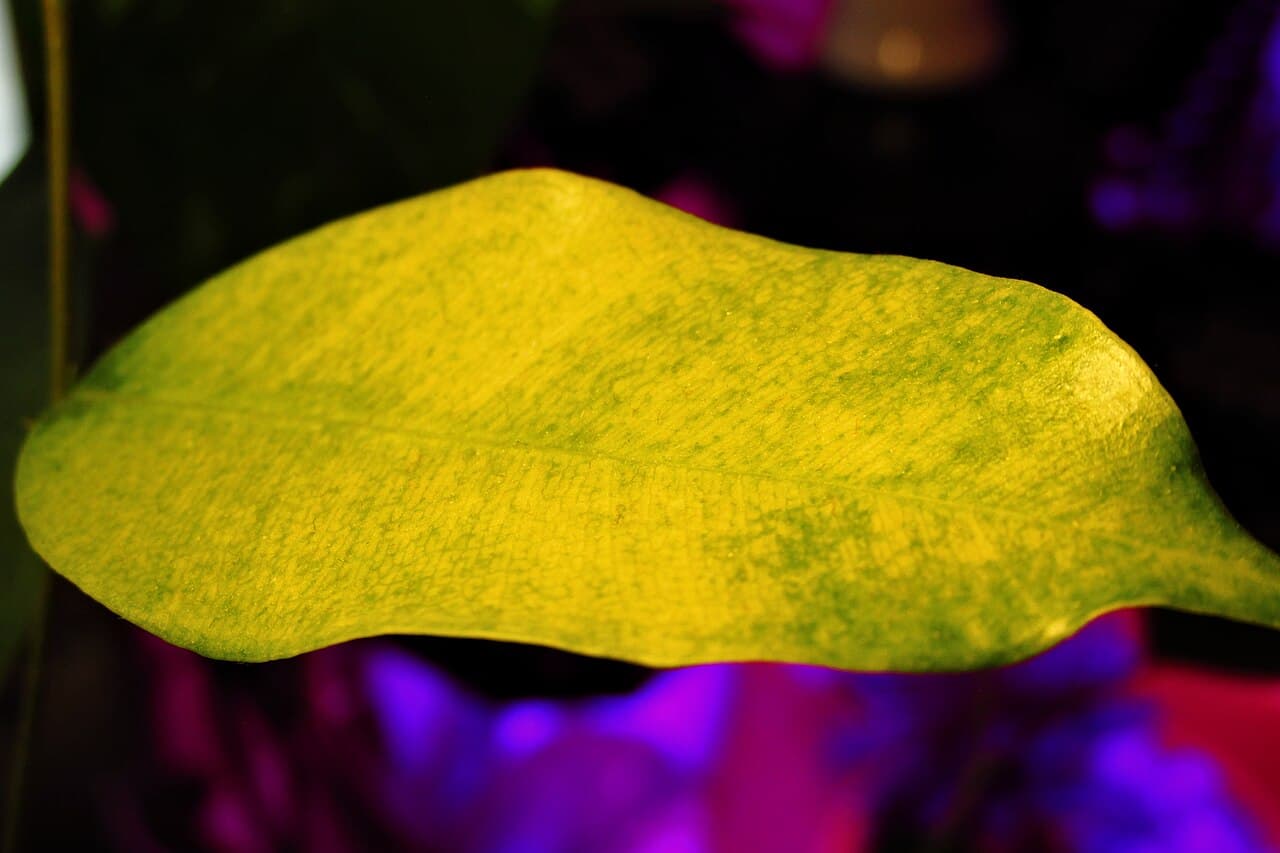
Most likelyHow to tell: The lower leaves turn yellow and feel soft or mushy. The soil stays wet for a long time after watering.
What to do: Let the top inch of soil dry out before watering again. Ensure your pot has drainage holes so excess water can escape.
Nitrogen deficiency
PossibleHow to tell: The older leaves turn pale yellow while the rest of the plant looks stunted. This often happens if the soil is depleted of nutrients.
What to do: Apply a balanced, water soluble fertilizer once every 4 weeks during the growing season. Follow the package instructions to avoid overfeeding.
Find out what's wrong with your dill
The list above covers the usual causes. Pocket Botanist looks at a photo of your actual plant and tells you the likely cause, how serious it is, and what to try first. Identification and a health check are free.



Scan with your phone's camera to get the app
Or go to pocketbotanist.app/get on your phone
When to worry
If the yellowing spreads rapidly to the entire plant, it is a serious issue. A few yellow leaves at the very base of an older plant are often just normal aging.
Stopping it coming back
Water only when the top inch of soil is dry and use well draining soil to prevent root issues.
Dill: yellow leaves? Check yours with a photo
Every plant is a little different. Take a photo of your dill and Pocket Botanist tells you which cause is most likely, how serious it is, and what to try first. A few checks a day are free. Save the plant and you get care reminders timed for it.
Scan with your phone's camera to get the app
Or go to pocketbotanist.app/get on your phone
Get the app · Or check it from a photo now, free
Questions people ask
- Should I cut off the yellow leaves?
- Yes, you can snip off yellow leaves to keep the plant tidy. This also helps you see if the yellowing continues to spread.
- Is yellowing always a sign of disease?
- Not usually. It is most often related to how you water or feed the plant. Check your care routine before assuming it is a disease.
More problems with Dill
- Why is my dill plant growing so tall and thin?
- Why are there bugs on my dill?
- Why are my dill leaves curling?
- Why are the tips of my dill leaves turning brown?
- Why is my dill plant drooping?
- Why does my dill have spots on its leaves?
- Why is my dill not producing flowers?
- Why is my dill showing signs of root rot?
This article was generated with AI on from the plant’s care profile and is general information, not horticultural advice. Read about how we build these guides.