 Pocket Botanist
Guía de plantas
Saskatoon.
Amelanchier alnifolia
Pronunciación am-eh-LAN-kee-er al-nih-FOH-lee-uh
También se conoce como Pacific serviceberry, juneberry, northwestern serviceberry, saskatoon, saskatoon serviceberry, saskatoon-berry, western juneberry, western serviceberry


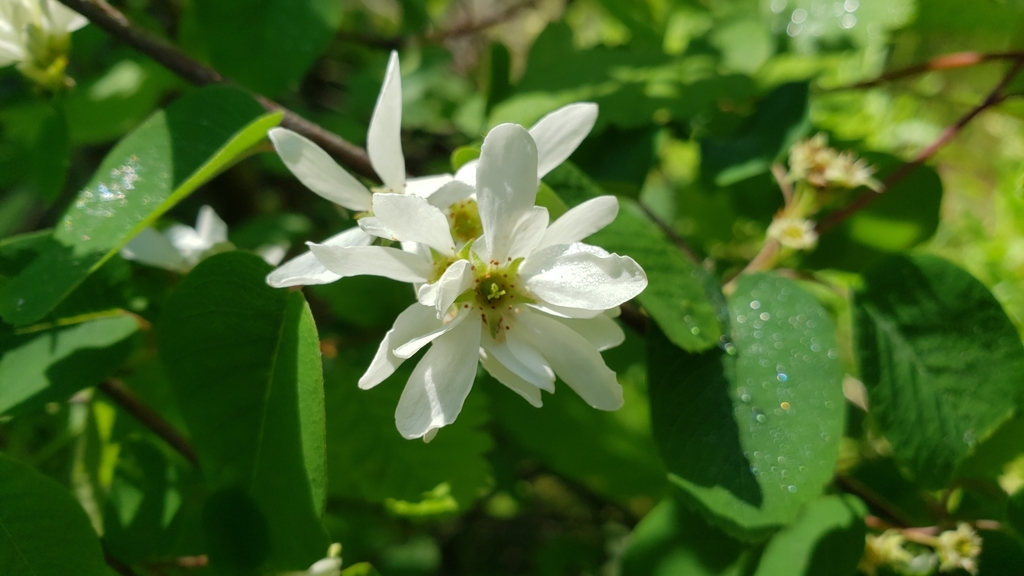
El Saskatoon es un arbusto encantador que aporta interés a tu jardín durante todas las estaciones. Produce delicadas flores blancas en primavera seguidas de deliciosos frutos parecidos a arándanos en verano. Disfrutarás de sus vibrantes colores de follaje, de amarillo a rojo, cuando llegue el otoño.

De un vistazo
- Nivel de cuidados
- Fácil
- Tipo de planta
- Arbusto de hoja caduca
- Luz
- Pleno sol a sombra parcial
- Luz en interior
- Luz indirecta brillante
- Riego
- Cada 7 a 14 días
- Tamaño adulto
- 15 pies
- Ritmo de crecimiento
- Medio
- Rusticidad
- USDA 2 a 7
- Floración
- Early to mid spring
Cuidados
Planta este arbusto en tierra que drene bien y mantenlo consistentemente húmedo mientras se establece. Vigila el oídio en las hojas durante periodos de humedad y poda la madera muerta para mantener la planta sana. Es bastante resistente y generalmente prospera sin mucha complicación una vez que se asienta.
- Riego
- Riega profundamente una vez a la semana durante el primer año, luego solo durante épocas secas.
- Abonado
- Aplica un fertilizante orgánico equilibrado a principios de primavera antes de que comience el nuevo crecimiento.
- Poda
- Poda a finales de invierno o principios de primavera para eliminar ramas cruzadas y mantener la forma.
- Trasplante
- Si lo cultivas en maceta, trasplanta a una maceta más grande cada pocos años para acomodar el crecimiento de las raíces.
- Suelo
- Tierra franca, bien drenada
- pH del suelo
- 6.0 a 7.5
- Temperatura
- -40 a 35°C
- Humedad
- 30 a 70%
- Tolerancia a la sequía
- Moderada
- Longevidad
- Perennial, typically 30 to 50 years
- Fragancia
- Suave
- Resistencia a ciervos y conejos
- Moderada
Señales de que necesita trasplante
- Roots growing out of the drainage holes.
- Water draining through the pot too quickly.
- Stunted growth during the spring.
Seguridad
- Personas
- The plant is generally safe, though the seeds contain cyanogenic glycosides which can be harmful if consumed in large quantities.
- Niños
- The berries are safe for children to eat, but teach them not to consume raw seeds or other plant parts.
- Alérgenos por contacto
- There are no notable skin irritants associated with this plant.
- Alérgenos en el aire
- The pollen may cause mild seasonal allergies in sensitive individuals.
- Comestibilidad
- Ensure you correctly identify the plant before consuming berries as some lookalikes are toxic.
Cómo identificarla
- Hojas ovaladas con bordes aserrados
- Racimos de flores blancas de cinco pétalos
- Bayas pequeñas de color púrpura oscuro comestibles
- Corteza gris lisa en las ramas
- Altura
- 2 a 5m
- Anchura
- 1,5 a 4m
- Hojas
- green, yellow, red, deciduous
- Flores
- white, 2 a 3cm
- Frutos
- purple, black, Summer
Problemas frecuentes
- Rust — Fungal infection causing orange spots on leaves and fruit.
- Aphids — Small insects that feed on sap and cause leaf curling.
Cómo cultivarla
- Propagación
- seed, cuttings, division
- Cuándo plantar
- spring, fall
- Cuidados en invierno
- It is fully hardy and requires no special protection during winter. Mulch around the base to retain moisture if the winter is particularly dry.
- En maceta
- It can grow in large containers, but prefers the ground for long-term health.
Seed
- Collect ripe berries in late summer.
- Clean the seeds from the pulp.
- Sow in pots and provide a cold stratification period.
Plant in groups to create a productive edible hedge that provides both food and shelter for songbirds.
Buenas compañeras
- Fragaria virginiana — They share similar soil requirements and provide ground cover.
- Prunus virginiana — They create a naturalistic thicket that supports local bird populations.
Especies parecidas
- Amelanchier arborea — It is a taller, more tree-like relative with similar flowers.
Ciencia
- Familia
- Rosaceae
- Género
- Amelanchier
- Orden
- Rosales
- Clase
- Magnoliopsida
- Distribución natural
- Western and central North America.
- Conservación
- This species is widespread and not of conservation concern.
It thrives in open woodlands and along forest edges where it can access sufficient light.
- Valor para la fauna
- nectar source, nesting site, food for birds
- Polinizadores
- abejas, mariposas, polillas
- Usos
- ornamental shrub, edible landscaping, wildlife habitat, hedgerow
A lo largo del año
Indicadores ecológicos
- Salinidad
- 2/9
- Reacción del suelo
- 6/9
- Luz
- 7/9
- Temperatura
- 4/9
- Humedad
- 5/9
- Nutrientes
- 5/9
Taxonomía cotejada con GBIF.
Lo que más preguntan
- Do I need two plants for fruit?
- While it is self-fertile, planting more than one will significantly increase your fruit yield.
- How do I prune it?
- Prune in late winter to remove dead wood and encourage new growth.
De dónde viene el nombre
Amelanchier is an old French name for a related European species, while alnifolia refers to the alder-like leaves.
Bueno saberlo
- The berries were a staple food for Indigenous peoples in North America.
- The wood is extremely hard and was historically used for tool handles.
- It is a member of the rose family.
- The berries are often used in pies, jams, and wine.
¿Tu saskatoon tiene mal aspecto?
Esta página es una guía general. Pocket Botanist diagnostica problemas a partir de una foto de tu propia planta, calcula el riego según tu luz y tus condiciones, y te avisa cuando toca cuidarla.
Esta guía se ha generado con IA y se ha cotejado con la taxonomía de GBIF. Es información general, no asesoramiento botánico ni veterinario. Descubre cómo elaboramos estas guías.