 Pocket Botanist
Plant guide
Climbing Aloe.
Aloiampelos ciliaris
Pronounced al-oh-ee-AM-peh-los sil-ee-AIR-iss
Also known as Common Climbing Aloe, climbing aloe



Scan with your phone's camera to get the app
Or go to pocketbotanist.app/get on your phone

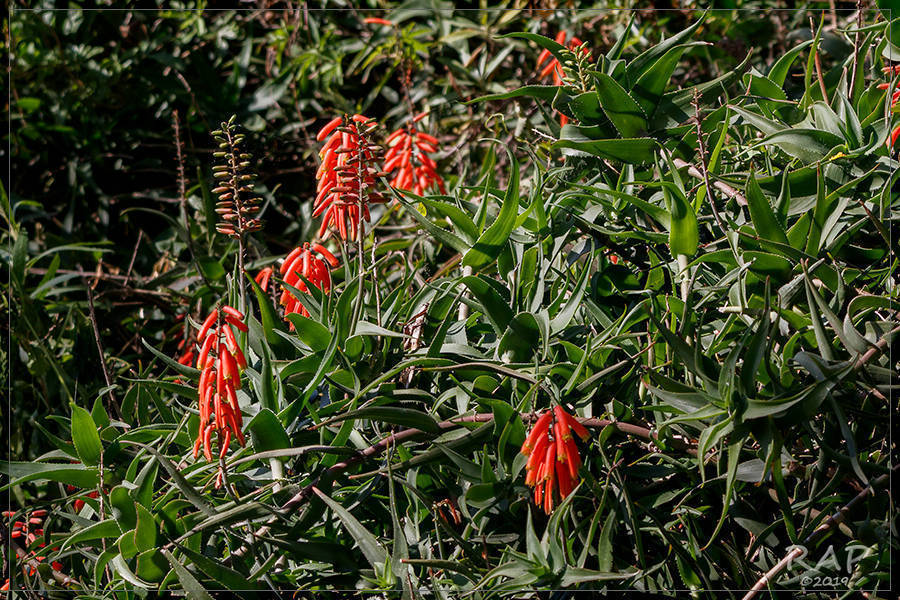
This vigorous climber is a fantastic choice if you want a fast growing succulent that adds height to your space. It naturally scrambles over other plants in its native habitat, so it loves having a trellis or support to lean on. You will enjoy its bright orange flowers that often appear throughout the year.
At a glance
- Care level
- Easy
- Plant type
- Succulent
- Light
- Full sun to partial shade
- Indoor light
- Bright indirect
- Water
- Every 10 to 21 days
- Mature size
- 10 to 15 feet
- Growth rate
- Fast
- Hardiness
- USDA 9 to 11
- Bloom time
- Late winter to early spring
Care
Give this plant plenty of light to keep it from getting too leggy. Let the soil dry out completely between waterings to prevent root rot. Watch for yellowing leaves, which often signal that the plant is getting too much water.
- Watering
- Allow the soil to dry out entirely before you water again.
- Feeding
- Feed with a balanced liquid fertilizer diluted to half strength during the growing season.
- Pruning
- Trim back long stems to encourage a bushier shape or to keep it within bounds.
- Repotting
- Move to a slightly larger pot once the roots begin to crowd the container.
- Soil
- Well draining cactus or succulent mix
- Soil pH
- 6.0 to 7.5
- Temperature
- 0 to 35°C
- Humidity
- 20 to 50%
- Drought tolerance
- High
- Lifespan
- Perennial, typically 10 to 20 years
- Deer and rabbits
- High
Signs it needs repotting
- Roots growing out of the drainage holes
- Water running straight through the pot without soaking in
Safety
- People
- The sap can be irritating to sensitive skin and is considered toxic if ingested in large quantities.
- Pets
- This plant is considered toxic to cats and dogs if ingested.
- Children
- Keep this plant away from small children as the leaves are somewhat sharp and the sap is irritating.
- Contact allergens
- The clear sap may cause mild contact dermatitis in sensitive individuals.
- Airborne allergens
- There are no significant airborne allergy risks associated with this plant.
- Edibility
- This plant is not intended for consumption and may cause digestive distress.
How to identify it
- Long, slender, vining stems
- Fleshy, lance shaped green leaves
- Small white teeth along leaf edges
- Bright orange tubular flowers
- Rapid climbing growth habit
- Height
- 2 to 5m
- Spread
- 1 to 2m
- Leaves
- green, evergreen
- Flowers
- orange, red, 2 to 4cm
Problems to watch for
- Mealybugs · Small white cottony insects that cluster in leaf axils.
- Root rot · Occurs when the soil remains too wet for too long.
Check your climbing aloe from a photo
Pocket Botanist looks at a photo of your plant and tells you what's wrong and what to try first.
Scan with your phone's camera to get the app
Or go to pocketbotanist.app/get on your phone
Growing it
- Propagation
- cuttings, seed
- When to plant
- spring, summer
- Overwintering
- Move containers indoors or to a frost-free location before the first freeze. Keep the plant dry during the winter months to prevent rot.
- In containers
- It grows well in large containers, but ensure the pot has excellent drainage holes.
Stem Cuttings
- 1. Take a 10 to 15 cm cutting from a healthy stem.
- 2. Allow the cut end to callous over in a shaded spot for a few days.
- 3. Plant the cutting in a well-draining succulent potting mix.
- 4. Keep the soil barely moist until roots establish.
Group this plant with other drought tolerant succulents that appreciate excellent drainage.
Grows well with
- Blue Chalk Sticks · It shares similar water and light requirements in a succulent garden.
- Jade Plant · This provides a nice structural contrast while thriving in the same conditions.
Similar species
- Soap Aloe · It is another popular, easy to grow aloe species.
Science
- Family
- Asphodelaceae
- Genus
- Aloiampelos
- Order
- Asparagales
- Class
- Liliopsida
- Native range
- South Africa
- Conservation
- It is not currently listed as endangered in its native range.
It survives by scrambling over other vegetation to reach sunlight in dry, rocky scrubland.
- Value to wildlife
- nectar source
- Pollinators
- bees, butterflies, hummingbirds
- Uses
- ornamental climber, xeriscaping, pollinator garden
Through the year
Ecological indicators
- Salinity
- 2/9
- Soil reaction
- 6/9
- Light
- 8/9
- Temperature
- 7/9
- Moisture
- 2/9
- Nutrients
- 3/9
Taxonomy resolved against GBIF.
Questions people ask
- Does it need a trellis?
- Yes, it is a scrambling climber and benefits from support to look its best.
- How often should I water it?
- Water deeply but allow the soil to dry out completely between waterings.
Where the name comes from
The genus name Aloiampelos combines Aloe and the Greek word ampelos, meaning vine. The species name ciliaris refers to the ciliate or hair-like teeth along the leaf margins.
Good to know
- It is commonly known as the climbing aloe.
- The specific epithet ciliaris refers to the small hairs on the leaf sheaths.
- It can easily reach several meters in height when provided with support.
Also in
Keep your climbing aloe growing
This page is a general guide. Save your plant in Pocket Botanist and you get care reminders timed for this plant, plus a care history that shows what worked.
Scan with your phone's camera to get the app
Or go to pocketbotanist.app/get on your phone
This guide was generated with AI on and checked against GBIF taxonomy. It is general information, not horticultural or veterinary advice. Read about how we build these guides.