 Pocket Botanist
Guía de plantas
Corn Salad.
Valerianella locusta
Pronunciación va-lee-ree-ah-NEL-lah lo-KUS-tah
También se conoce como Common Cornsalad, Cornsalad, Cornsalad, Lamb's Lettuce, European cornsalad


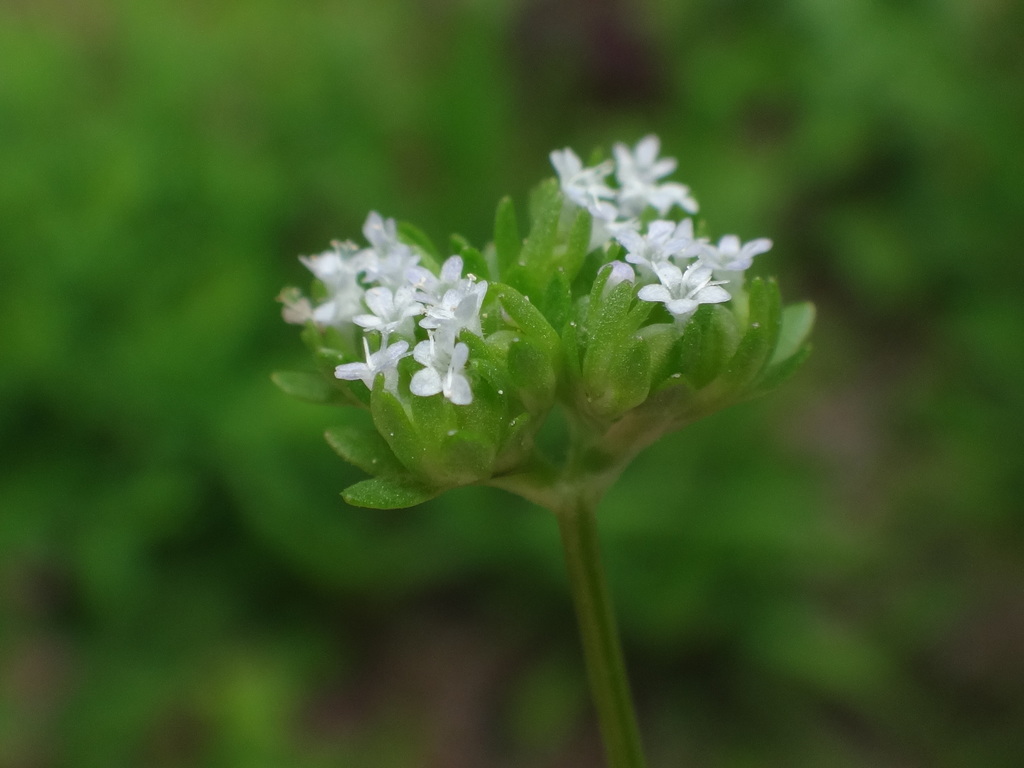
Corn salad is a delightful, cool weather green that grows in small, tender rosettes. It is perfect for adding a mild, nutty flavor to your winter and spring salads. You will love how easily it thrives when other greens struggle in the chill.
De un vistazo
- Nivel de cuidados
- Fácil
- Tipo de planta
- Annual vegetable
- Luz
- Full sun to partial shade
- Luz en interior
- Luz indirecta brillante
- Riego
- Cada 2 a 4 días
- Tamaño adulto
- 6 inches
- Ritmo de crecimiento
- Rápido
- Rusticidad
- USDA 5 a 9
- Floración
- Mid to late spring
Cuidados
Keep the soil consistently moist to prevent the leaves from turning bitter. Watch for signs of bolting as temperatures rise, which signals it is time to harvest the entire plant. It prefers cooler temperatures and will grow best in the shoulder seasons.
- Riego
- Keep the soil evenly moist but never waterlogged to ensure the best leaf quality.
- Abonado
- A light application of balanced organic fertilizer helps keep the leaves growing quickly.
- Poda
- Harvest individual outer leaves as needed or cut the entire rosette at the base.
- Trasplante
- This is an annual plant typically grown directly in garden beds or containers from seed.
- Suelo
- Well draining, fertile soil
- pH del suelo
- 6.0 to 7.0
- Temperatura
- -10 a 25°C
- Humedad
- 40 a 70%
- Tolerancia a la sequía
- Baja
- Longevidad
- Annual, typically 6 to 9 months.
- Resistencia a ciervos y conejos
- Moderada
Seguridad
- Personas
- None known.
- Niños
- No specific concerns, though small children should be supervised around any garden plants.
- Comestibilidad
- Wash leaves thoroughly to remove soil particles that often cling to the low growing rosettes.
Cómo identificarla
- Small spoon shaped leaves
- Forms compact basal rosettes
- Bright green succulent foliage
- Tiny pale blue flowers
- Altura
- 0,1 a 0,3m
- Anchura
- 0,1 a 0,2m
- Hojas
- green, deciduous
- Flores
- white, pale blue, 0,2 a 0,5cm
- Frutos
- brown, Spring
Problemas frecuentes
- Powdery mildew — A fungal growth that appears as white dust on leaves during humid conditions.
- Slugs — These mollusks feed on the tender foliage, leaving large holes.
Cómo cultivarla
- Propagación
- seed
- Cuándo plantar
- early spring, late summer, early autumn
- Cuidados en invierno
- In mild climates, it stays green all winter. In colder areas, cover with a light row cover to protect leaves from severe frost.
- En maceta
- It grows very well in shallow containers or window boxes, requiring a minimum depth of 15 centimeters.
Direct Sowing
- Prepare a fine seedbed in cool soil.
- Sow seeds 1 centimeter deep in rows.
- Keep soil consistently moist until germination.
Plant in succession every few weeks to ensure a continuous supply of fresh leaves throughout the cool season.
Buenas compañeras
Especies parecidas
- Winter Purslane — Another hardy salad green that thrives in similar cool conditions.
Ciencia
- Familia
- Caprifoliaceae
- Género
- Valerianella
- Orden
- Dipsacales
- Clase
- Magnoliopsida
- Distribución natural
- Europe, Western Asia, and Northern Africa.
- Conservación
- Not of conservation concern.
It thrives in cool, moist conditions and often colonizes disturbed soil or grain fields.
- Valor para la fauna
- early season nectar source
- Polinizadores
- abejas
- Usos
- culinary salad green, winter vegetable crop
A lo largo del año
Indicadores ecológicos
- Salinidad
- 2/9
- Reacción del suelo
- 6/9
- Luz
- 6/9
- Temperatura
- 4/9
- Humedad
- 5/9
- Nutrientes
- 5/9
Taxonomía cotejada con GBIF.
Lo que más preguntan
- When should I harvest?
- Harvest the entire rosette when leaves are about 10 to 15 centimeters long.
- Does it bolt?
- Yes, it will quickly go to seed once temperatures rise in late spring.
De dónde viene el nombre
Valerianella is a diminutive of Valeriana, referring to its resemblance to valerian plants, while locusta refers to its historical association with locusts or grain fields.
Bueno saberlo
- It is incredibly cold hardy and can often be harvested through winter.
- The leaves have a mild, nutty flavor.
- It was historically considered a weed in grain fields, hence the name corn salad.
¿Tu corn salad tiene mal aspecto?
Esta página es una guía general. Pocket Botanist diagnostica problemas a partir de una foto de tu propia planta, calcula el riego según tu luz y tus condiciones, y te avisa cuando toca cuidarla.
Esta guía se ha generado con IA y se ha cotejado con la taxonomía de GBIF. Es información general, no asesoramiento botánico ni veterinario. Descubre cómo elaboramos estas guías.