 Pocket Botanist
Guía de plantas
Luffa.
Luffa aegyptiaca
Pronunciación LUF-uh ee-jip-tee-AY-kuh
También se conoce como Loofah, Plant sponge, Luffa Sponge, Native Towel-gourd, Smooth Luffa, Sponge gourd, Wild Pumpkin, dishcloth gourd, dishrag gourd


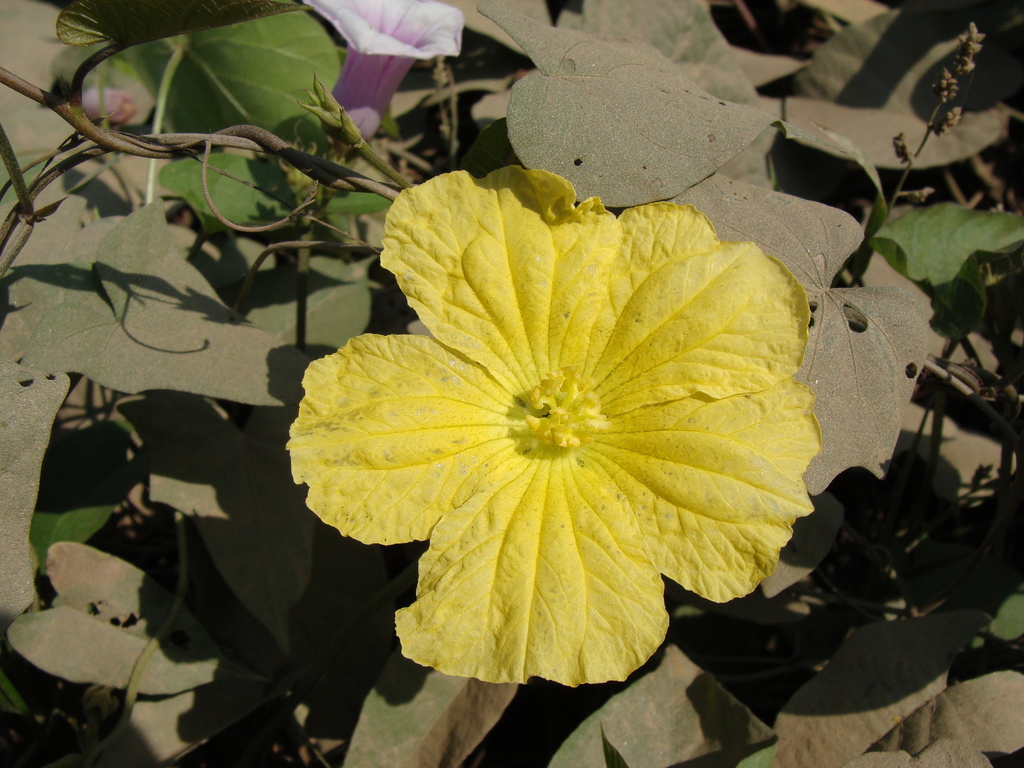
The luffa is a vigorous climbing vine that produces edible fruits when young and fibrous sponges when mature. It loves a long, warm growing season to reach its full potential. You will enjoy watching these unique gourds develop in your garden.

De un vistazo
- Nivel de cuidados
- Media
- Tipo de planta
- Annual vine
- Luz
- Full sun
- Luz en interior
- Sol directo
- Riego
- Cada 1 a 3 días
- Tamaño adulto
- 10 to 20 feet
- Ritmo de crecimiento
- Rápido
- Rusticidad
- USDA 9 a 11
- Floración
- Mid to late summer
Cuidados
Provide a sturdy trellis for the heavy vines to climb. Watch for wilting leaves as a sign of thirst and ensure the soil stays consistently moist. Harvest the fruits early for eating or leave them on the vine until brown for sponges.
- Riego
- Keep the soil evenly moist but not waterlogged during the peak growing season.
- Abonado
- Feed with a balanced liquid fertilizer every two weeks to support rapid vine growth.
- Poda
- Trim back excessive side shoots to encourage the plant to focus energy on fruit production.
- Trasplante
- This plant is typically grown as an annual directly in the garden soil.
- Suelo
- Rich, well draining soil
- pH del suelo
- 6.0 to 6.8
- Temperatura
- 15 a 35°C
- Humedad
- 60 a 90%
- Tolerancia a la sequía
- Baja
- Longevidad
- Annual
- Fragancia
- Suave
- Resistencia a ciervos y conejos
- Moderada
Señales de que necesita trasplante
- Roots circling the bottom of the pot.
- Stunted growth despite regular feeding.
Seguridad
- Personas
- The plant is not considered toxic, but the bitter taste of some varieties can cause digestive upset.
- Niños
- The large, heavy fruits can be a hazard if they fall on small children, so ensure they are well supported on a trellis.
- Alérgenos por contacto
- The rough, hairy stems and leaves can cause minor skin irritation in sensitive individuals.
- Alérgenos en el aire
- Pollen may trigger mild allergic reactions in sensitive individuals during peak bloom.
- Comestibilidad
- Young fruits are edible like zucchini, but mature fruits used for sponges are fibrous and inedible.
Cómo identificarla
- Vigorous climbing vine with tendrils
- Large, lobed, bright green leaves
- Showy, five petaled yellow flowers
- Long, cylindrical green fruits
- Fibrous interior develops as fruit matures
- Altura
- 3 a 9m
- Anchura
- 1 a 3m
- Hojas
- green, deciduous
- Flores
- yellow, 5 a 10cm
- Frutos
- green, brown, Autumn
Problemas frecuentes
- Powdery mildew — A white fungal growth on leaves caused by high humidity and poor air circulation.
- Aphids — Small sap sucking insects that cluster on new growth and flower buds.
Cómo cultivarla
- Propagación
- seed
- Cuándo plantar
- Spring
- Cuidados en invierno
- This plant is an annual and will die with the first frost.
- En maceta
- Requires a minimum 20 liter pot with a very strong trellis system.
Seed starting
- Soak seeds in warm water for 24 hours.
- Plant in pots 4 weeks before the last frost.
- Keep soil warm at 25 Celsius until germination.
Plant near a strong trellis to keep fruits off the ground and prevent rot.
Buenas compañeras
- Capuchina Común — They act as a trap crop for aphids.
- Caléndula — They help deter soil pests.
Especies parecidas
- Luffa acutangula — It has ridged fruit and is primarily grown for culinary use.
Ciencia
- Familia
- Cucurbitaceae
- Género
- Luffa
- Orden
- Cucurbitales
- Clase
- Magnoliopsida
- Distribución natural
- Tropical Asia
- Conservación
- Not of conservation concern.
This vigorous climber uses tendrils to scale trees and structures in its native tropical habitat to reach sunlight.
- Valor para la fauna
- nectar source
- Polinizadores
- abejas, mariposas
- Usos
- culinary, bath sponge, ornamental vine
A lo largo del año
Indicadores ecológicos
- Salinidad
- 2/9
- Reacción del suelo
- 6/9
- Luz
- 8/9
- Temperatura
- 8/9
- Humedad
- 7/9
- Nutrientes
- 7/9
Taxonomía cotejada con GBIF.
Lo que más preguntan
- When should I harvest for sponges?
- Wait until the fruit turns brown, feels light, and the skin becomes brittle.
- Can I grow this in a pot?
- Yes, but you need a very large container and a sturdy trellis.
De dónde viene el nombre
The genus name Luffa comes from the Arabic name for the plant, while the specific epithet aegyptiaca refers to its historical cultivation in Egypt.
Bueno saberlo
- Luffa is a member of the cucumber family.
- The name is derived from the Arabic word lūf.
- It needs a long, hot growing season to produce mature sponges.
- The flowers open in the morning and attract many pollinators.
¿Tu luffa tiene mal aspecto?
Esta página es una guía general. Pocket Botanist diagnostica problemas a partir de una foto de tu propia planta, calcula el riego según tu luz y tus condiciones, y te avisa cuando toca cuidarla.
Esta guía se ha generado con IA y se ha cotejado con la taxonomía de GBIF. Es información general, no asesoramiento botánico ni veterinario. Descubre cómo elaboramos estas guías.