 Pocket Botanist
Pflanzenratgeber
Common Chickweed.
Stellaria media
Aussprache stel-LAIR-ee-uh MEE-dee-uh
Auch bekannt als Chickweed, Common Chickweed


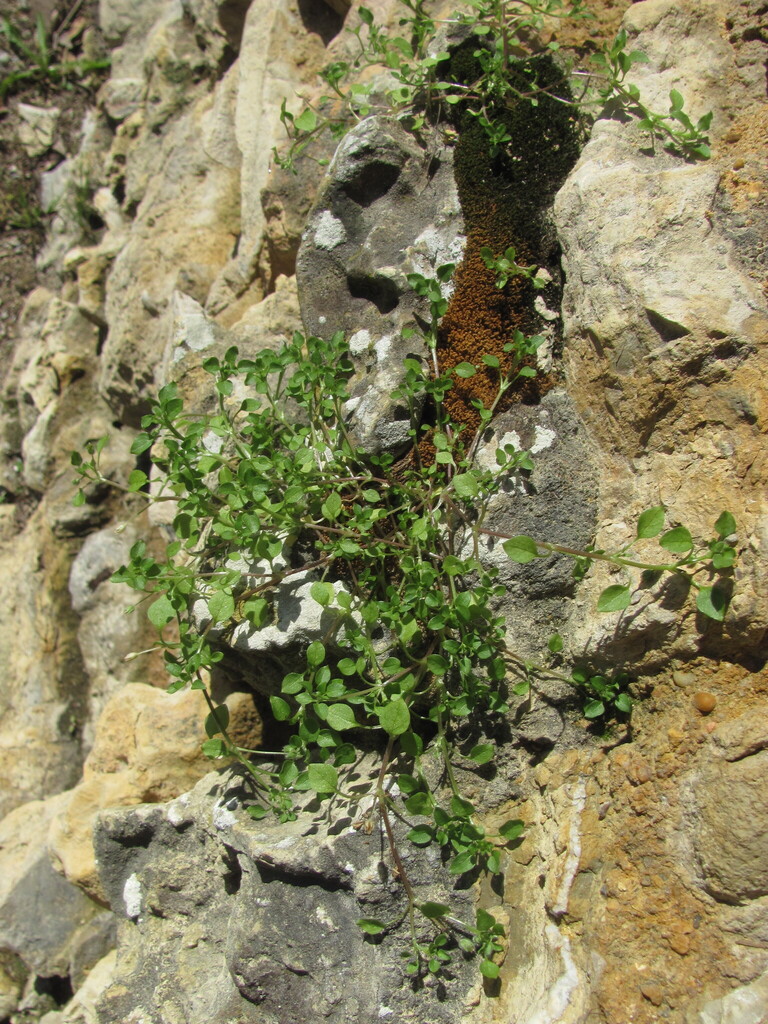
Common chickweed is a hardy, low growing annual that thrives in cool, moist conditions. It often appears as a weed in gardens but is actually edible and quite nutritious. You will find it spreads quickly across the soil surface.
Auf einen Blick
- Pflegestufe
- Einfach
- Pflanzenart
- Annual herb
- Licht
- Partial shade to full sun
- Licht im Innenraum
- Hell, indirekt
- Gießen
- Alle 2 bis 4 Tage
- Endgröße
- 6 to 12 inches
- Wachstum
- Schnell
- Winterhärte
- USDA 4 bis 9
- Blütezeit
- Early spring to late autumn
Pflege
Keep the soil consistently moist as this plant dislikes drying out completely. Watch for wilting during warm spells, which indicates it needs more water or shade. It prefers cooler temperatures and will naturally decline once the summer heat sets in.
- Gießen
- Keep the soil evenly damp to the touch.
- Düngen
- Fertilizer is generally not needed for this fast growing annual.
- Schneiden
- Trim back stems to encourage bushier growth or harvest for culinary use.
- Umtopfen
- Since it is an annual, you will likely be replanting from seed each year.
- Boden
- Rich, moist, well draining soil
- Boden-pH
- 6.0 to 7.5
- Temperatur
- -10 bis 25°C
- Luftfeuchtigkeit
- 40 bis 80%
- Trockenheitstoleranz
- Gering
- Lebensdauer
- Annual, typically 1 year.
- Wildverbiss-Resistenz
- Mittel
Anzeichen fürs Umtopfen
- Roots circling the bottom of the pot.
- Stunted growth despite regular watering.
Sicherheit
- Menschen
- This plant is generally considered safe and is often consumed as a wild edible green.
- Kinder
- The small seeds and stems are not toxic, but they pose a minor choking hazard if ingested in large quantities.
- Kontaktallergene
- Some individuals may experience mild skin irritation from handling the stems.
- Allergene in der Luft
- The pollen can trigger mild seasonal allergies in sensitive people.
- Essbarkeit
- Ensure plants are harvested from areas free of pesticides and chemical fertilizers before consumption.
So erkennst du die Pflanze
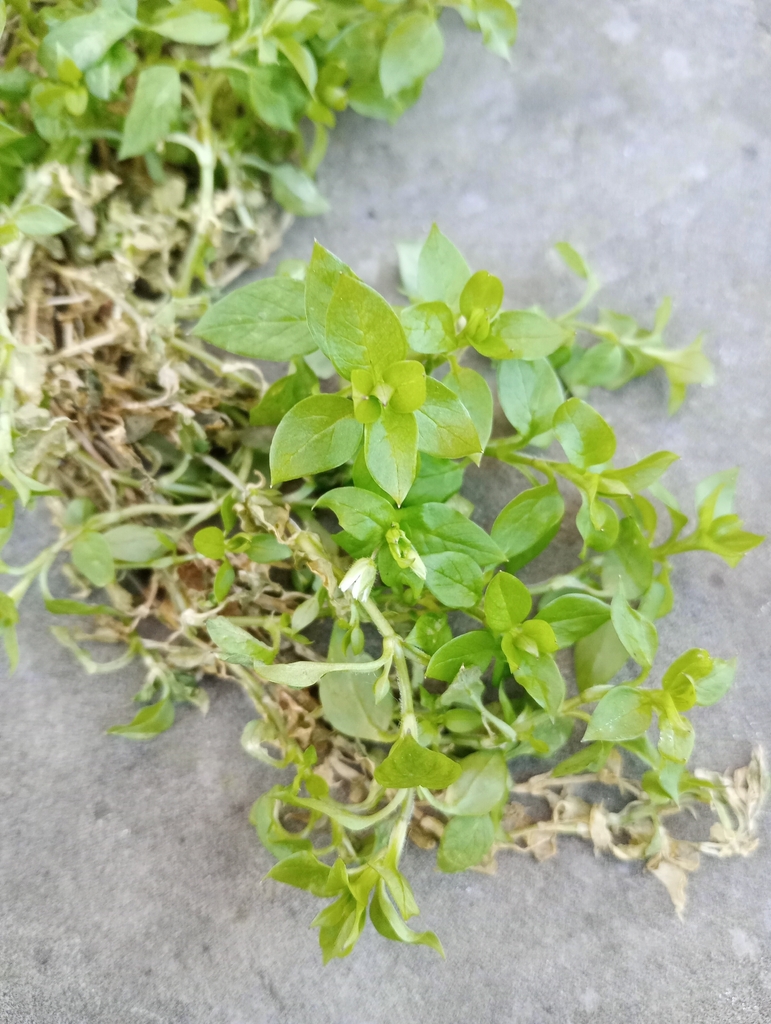
- Opposite, oval shaped leaves
- Tiny star shaped white flowers
- Single line of hairs on stems
- Low growing mat forming habit
- Höhe
- 0,05 bis 0,4m
- Breite
- 0,15 bis 0,6m
- Blätter
- bright green, deciduous
- Blüten
- white, 0,5 bis 1cm
- Früchte
- brown, Spring to autumn
Häufige Probleme
- Aphids — Small sap-sucking insects that cluster on new growth.
- Powdery mildew — A fungal infection that creates a white dusty coating on leaves.
Standort und Pflege
- Vermehrung
- seed
- Pflanzzeit
- spring, autumn
- Überwinterung
- It often survives mild winters as a low-growing rosette and will continue to grow whenever temperatures rise above freezing.
- Im Kübel
- It grows well in shallow containers or window boxes, provided the soil stays consistently moist.
Direct Sowing
- 1. Prepare a patch of moist, fertile soil in early spring or autumn.
- 2. Scatter seeds thinly over the surface.
- 3. Lightly press the seeds into the soil without burying them deep.
- 4. Keep the area consistently moist until germination occurs.
Use it as a living mulch in cool weather to keep the soil moist and suppress other weeds.
Gute Pflanzpartner
Ähnliche Arten
- Common mouse-ear chickweed — It has hairy leaves and stems, unlike the smooth stems of common chickweed.
- Anagallis arvensis — It has similar growth habits but produces distinct orange or blue flowers.
Botanisches
- Familie
- Caryophyllaceae
- Gattung
- Stellaria
- Ordnung
- Caryophyllales
- Klasse
- Magnoliopsida
- Ursprüngliche Heimat
- Europe and Western Asia, now naturalized globally.
- Artenschutz
- It is a common, widespread weed and is not of conservation concern.
It thrives in disturbed soils and cool, damp environments, often acting as a pioneer species.
- Nutzen für Wildtiere
- nectar source, early season food
- Bestäuber
- Bienen, Schmetterlinge, Käfer
- Verwendung
- culinary greens, poultry feed, medicinal tea, ground cover
Im Jahresverlauf
Ökologische Zeigerwerte
- Salzgehalt
- 2/9
- Bodenreaktion
- 6/9
- Licht
- 6/9
- Temperatur
- 4/9
- Feuchtigkeit
- 6/9
- Nährstoffe
- 7/9
Taxonomie abgeglichen mit GBIF.
Häufige Fragen
- Is chickweed a weed?
- Yes, it is often considered a garden weed due to its rapid growth and seed production.
- Can I eat it raw?
- Yes, the leaves and stems are tender and have a mild, spinach-like flavor.
Woher der Name kommt
The name Stellaria comes from the Latin stella, meaning star, referring to the star-shaped flowers. Media refers to its intermediate size compared to other species in the genus.
Gut zu wissen
- Chickweed flowers close up at night and during rainy weather.
- The plant is highly nutritious and rich in vitamins A, C, and D.
- It is a classic indicator of cool, moist, and fertile soil conditions.
- Chickweed is a favorite treat for chickens and other backyard birds.
Probleme mit Common Chickweed?
Diese Seite bietet allgemeine Infos. Pocket Botanist erkennt Probleme anhand eines Fotos deiner echten Pflanze, passt das Gießen an dein Licht und deinen Standort an und erinnert dich an die Pflege.
Dieser Ratgeber wurde mit KI erstellt und mit der GBIF-Taxonomie abgeglichen. Er dient zur allgemeinen Information und ersetzt keine gärtnerische oder tierärztliche Beratung. Hier erfährst du, wie wir diese Ratgeber erstellen.