 Pocket Botanist
Guía de plantas
Common Chickweed.
Stellaria media
Pronunciación stel-LAIR-ee-uh MEE-dee-uh
También se conoce como Chickweed, Common Chickweed


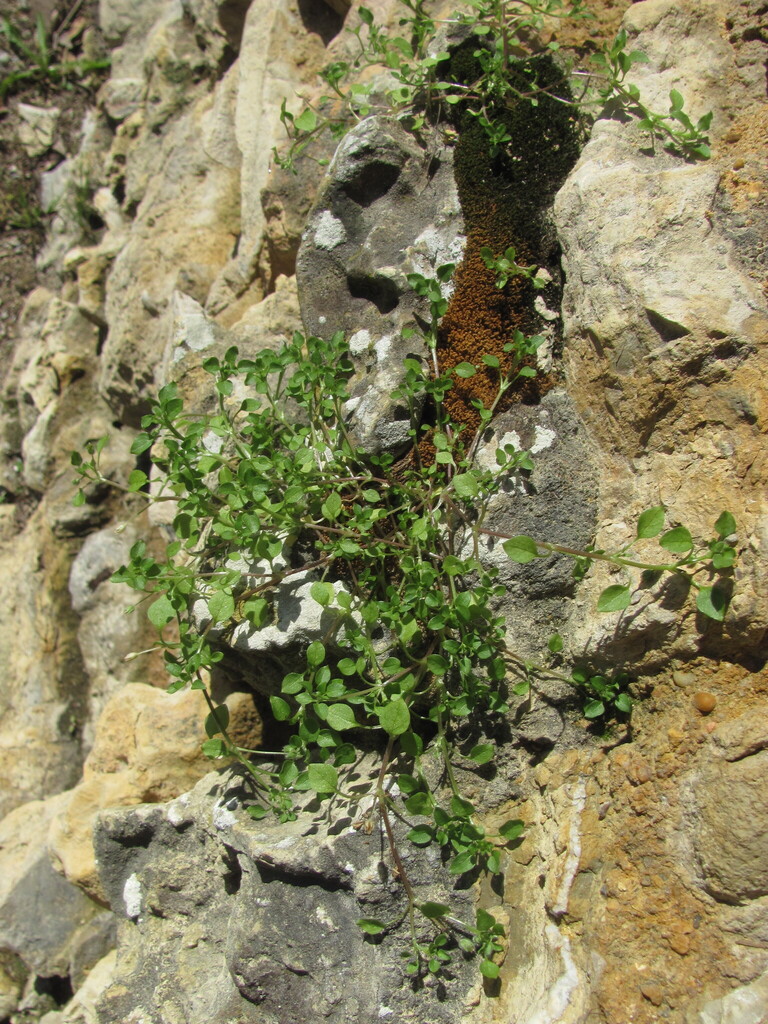
Common chickweed is a hardy, low growing annual that thrives in cool, moist conditions. It often appears as a weed in gardens but is actually edible and quite nutritious. You will find it spreads quickly across the soil surface.
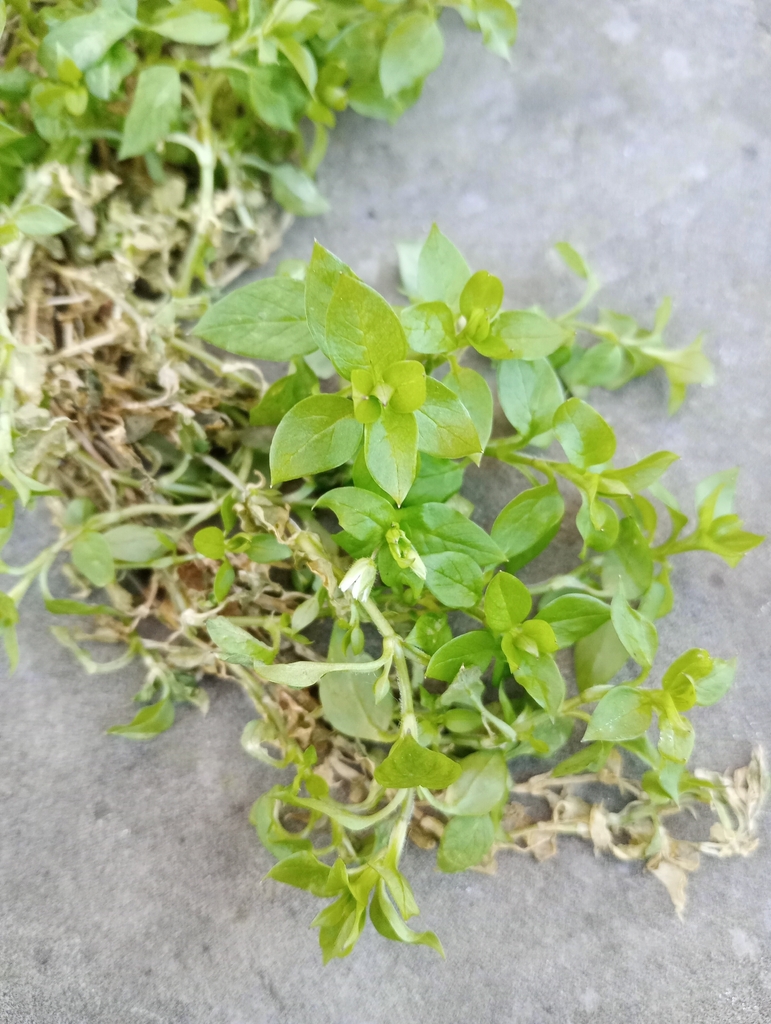
De un vistazo
- Nivel de cuidados
- Fácil
- Tipo de planta
- Annual herb
- Luz
- Partial shade to full sun
- Luz en interior
- Luz indirecta brillante
- Riego
- Cada 2 a 4 días
- Tamaño adulto
- 6 to 12 inches
- Ritmo de crecimiento
- Rápido
- Rusticidad
- USDA 4 a 9
- Floración
- Early spring to late autumn
Cuidados
Keep the soil consistently moist as this plant dislikes drying out completely. Watch for wilting during warm spells, which indicates it needs more water or shade. It prefers cooler temperatures and will naturally decline once the summer heat sets in.
- Riego
- Keep the soil evenly damp to the touch.
- Abonado
- Fertilizer is generally not needed for this fast growing annual.
- Poda
- Trim back stems to encourage bushier growth or harvest for culinary use.
- Trasplante
- Since it is an annual, you will likely be replanting from seed each year.
- Suelo
- Rich, moist, well draining soil
- pH del suelo
- 6.0 to 7.5
- Temperatura
- -10 a 25°C
- Humedad
- 40 a 80%
- Tolerancia a la sequía
- Baja
- Longevidad
- Annual, typically 1 year.
- Resistencia a ciervos y conejos
- Moderada
Señales de que necesita trasplante
- Roots circling the bottom of the pot.
- Stunted growth despite regular watering.
Seguridad
- Personas
- This plant is generally considered safe and is often consumed as a wild edible green.
- Niños
- The small seeds and stems are not toxic, but they pose a minor choking hazard if ingested in large quantities.
- Alérgenos por contacto
- Some individuals may experience mild skin irritation from handling the stems.
- Alérgenos en el aire
- The pollen can trigger mild seasonal allergies in sensitive people.
- Comestibilidad
- Ensure plants are harvested from areas free of pesticides and chemical fertilizers before consumption.
Cómo identificarla
- Opposite, oval shaped leaves
- Tiny star shaped white flowers
- Single line of hairs on stems
- Low growing mat forming habit
- Altura
- 0,05 a 0,4m
- Anchura
- 0,15 a 0,6m
- Hojas
- bright green, deciduous
- Flores
- white, 0,5 a 1cm
- Frutos
- brown, Spring to autumn
Problemas frecuentes
- Aphids — Small sap-sucking insects that cluster on new growth.
- Powdery mildew — A fungal infection that creates a white dusty coating on leaves.
Cómo cultivarla
- Propagación
- seed
- Cuándo plantar
- spring, autumn
- Cuidados en invierno
- It often survives mild winters as a low-growing rosette and will continue to grow whenever temperatures rise above freezing.
- En maceta
- It grows well in shallow containers or window boxes, provided the soil stays consistently moist.
Direct Sowing
- 1. Prepare a patch of moist, fertile soil in early spring or autumn.
- 2. Scatter seeds thinly over the surface.
- 3. Lightly press the seeds into the soil without burying them deep.
- 4. Keep the area consistently moist until germination occurs.
Use it as a living mulch in cool weather to keep the soil moist and suppress other weeds.
Buenas compañeras
Especies parecidas
- Common mouse-ear chickweed — It has hairy leaves and stems, unlike the smooth stems of common chickweed.
- Anagallis arvensis — It has similar growth habits but produces distinct orange or blue flowers.
Ciencia
- Familia
- Caryophyllaceae
- Género
- Stellaria
- Orden
- Caryophyllales
- Clase
- Magnoliopsida
- Distribución natural
- Europe and Western Asia, now naturalized globally.
- Conservación
- It is a common, widespread weed and is not of conservation concern.
It thrives in disturbed soils and cool, damp environments, often acting as a pioneer species.
- Valor para la fauna
- nectar source, early season food
- Polinizadores
- abejas, mariposas, escarabajos
- Usos
- culinary greens, poultry feed, medicinal tea, ground cover
A lo largo del año
Indicadores ecológicos
- Salinidad
- 2/9
- Reacción del suelo
- 6/9
- Luz
- 6/9
- Temperatura
- 4/9
- Humedad
- 6/9
- Nutrientes
- 7/9
Taxonomía cotejada con GBIF.
Lo que más preguntan
- Is chickweed a weed?
- Yes, it is often considered a garden weed due to its rapid growth and seed production.
- Can I eat it raw?
- Yes, the leaves and stems are tender and have a mild, spinach-like flavor.
De dónde viene el nombre
The name Stellaria comes from the Latin stella, meaning star, referring to the star-shaped flowers. Media refers to its intermediate size compared to other species in the genus.
Bueno saberlo
- Chickweed flowers close up at night and during rainy weather.
- The plant is highly nutritious and rich in vitamins A, C, and D.
- It is a classic indicator of cool, moist, and fertile soil conditions.
- Chickweed is a favorite treat for chickens and other backyard birds.
¿Tu common chickweed tiene mal aspecto?
Esta página es una guía general. Pocket Botanist diagnostica problemas a partir de una foto de tu propia planta, calcula el riego según tu luz y tus condiciones, y te avisa cuando toca cuidarla.
Esta guía se ha generado con IA y se ha cotejado con la taxonomía de GBIF. Es información general, no asesoramiento botánico ni veterinario. Descubre cómo elaboramos estas guías.