 Pocket Botanist
Pflanzenratgeber
Blackcurrant.
Ribes nigrum
Aussprache RYE-beez NY-grum
Auch bekannt als Black Currant, European black currant


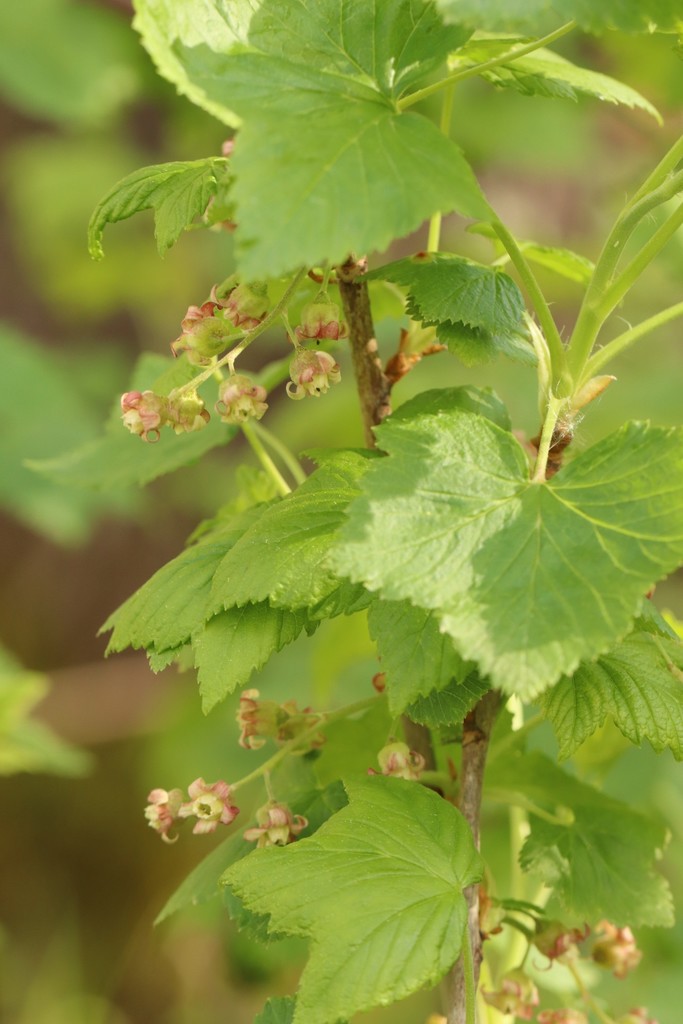
Blackcurrants are hardy deciduous shrubs prized for their tart, nutrient-rich berries. They thrive in cooler climates and produce heavy yields when given enough space to spread. You will love having these in your garden for fresh snacks or homemade jams.

Auf einen Blick
- Pflegestufe
- Einfach
- Pflanzenart
- Deciduous shrub
- Licht
- Full sun to partial shade
- Licht im Innenraum
- Direkte Sonne
- Gießen
- Alle 3 bis 7 Tage
- Endgröße
- 5 to 6 feet
- Wachstum
- Mittel
- Winterhärte
- USDA 3 bis 7
- Blütezeit
- Early to mid spring
Pflege
Keep the soil consistently moist and apply a thick layer of mulch to protect the shallow roots. Watch for signs of aphids or powdery mildew on the leaves during the warmer months. Prune older wood annually to encourage vigorous new growth and better fruit production.
- Gießen
- Water deeply during dry spells to ensure the fruit develops properly.
- Düngen
- Apply a balanced organic fertilizer in early spring before new growth begins.
- Schneiden
- Remove a third of the oldest stems each winter to keep the plant productive.
- Umtopfen
- These are best grown in the ground, but if kept in containers, move to a larger pot every few years.
- Boden
- Moist, fertile, well-draining loam
- Boden-pH
- 6.0 to 7.0
- Temperatur
- -30 bis 30°C
- Luftfeuchtigkeit
- 40 bis 70%
- Trockenheitstoleranz
- Gering
- Lebensdauer
- Perennial, typically 10 to 15 years
- Duft
- Stark
- Wildverbiss-Resistenz
- Mittel
Anzeichen fürs Umtopfen
- Roots growing out of the drainage holes.
- Stunted growth despite regular feeding.
- Soil drying out very rapidly.
Sicherheit
- Menschen
- The plant is non-toxic to humans.
- Kinder
- The berries are safe for children to eat, but be mindful of potential choking hazards with very young toddlers.
- Kontaktallergene
- Handling the foliage may cause mild skin irritation in sensitive individuals due to the aromatic oils.
- Allergene in der Luft
- The pollen is not considered a significant allergen.
- Essbarkeit
- Always ensure you have correctly identified the plant before consuming any berries.
So erkennst du die Pflanze
- Three to five lobed leaves
- Strongly aromatic foliage when crushed
- Clusters of small dark purple berries
- Woody stems with peeling bark
- Höhe
- 1 bis 1,5m
- Breite
- 1 bis 1,5m
- Blätter
- green, deciduous
- Blüten
- greenish-yellow, 0,5 bis 1cm
- Früchte
- black, Mid to late summer
Häufige Probleme
- Currant Big Bud Mite — Mites cause buds to swell and fail to open properly.
- Powdery Mildew — A white fungal growth appears on leaves and stems in humid conditions.
Standort und Pflege
- Vermehrung
- cuttings, division, seed
- Pflanzzeit
- early spring, late autumn
- Überwinterung
- Apply a thick layer of mulch around the base to protect roots from extreme cold. Prune out any dead or damaged wood during the dormant season.
- Im Kübel
- They grow well in large containers of at least 40 liters, provided they are kept well-watered.
Hardwood Cuttings
- 1. Take 20cm cuttings in late autumn.
- 2. Insert into a pot of moist, gritty compost.
- 3. Keep in a cold frame until spring.
Planting understory herbs like chives can help suppress weeds and provide a natural pest barrier.
Gute Pflanzpartner
- Comfrey — It acts as a dynamic accumulator to provide nutrients to the soil.
- Schnittlauch — The strong scent may help deter certain pests.
Fernhalten von
- Eastern white pine — They can act as alternate hosts for white pine blister rust.
Ähnliche Arten
- Redcurrant — It is a close relative with similar growth habits but produces red fruit.
- Ribes uva-crispa — It belongs to the same genus and shares similar cultural requirements.
Botanisches
- Familie
- Grossulariaceae
- Gattung
- Ribes
- Ordnung
- Saxifragales
- Klasse
- Magnoliopsida
- Ursprüngliche Heimat
- Northern and central Europe and northern Asia.
- Artenschutz
- This species is common and not of conservation concern.
It thrives in cool, moist woodland edges and riverbanks where it can access consistent soil moisture.
- Nutzen für Wildtiere
- nectar source
- Bestäuber
- Bienen
- Verwendung
- culinary jams, juices, ornamental shrub, hedging
Im Jahresverlauf
Ökologische Zeigerwerte
- Salzgehalt
- 1/9
- Bodenreaktion
- 6/9
- Licht
- 6/9
- Temperatur
- 4/9
- Feuchtigkeit
- 7/9
- Nährstoffe
- 7/9
Taxonomie abgeglichen mit GBIF.
Häufige Fragen
- Do I need two plants for fruit?
- Most varieties are self-fertile, but planting more than one can increase your yield.
- When should I prune?
- Prune in late winter while the plant is dormant to encourage new growth.
Woher der Name kommt
The genus name Ribes comes from an Arabic word for a different plant, while nigrum is Latin for black, referring to the fruit color.
Gut zu wissen
- Blackcurrants were once banned in the United States for decades because they were thought to spread a fungus to pine trees.
- The unique scent of the leaves is often used in high-end perfumery.
- They are a staple ingredient in many traditional European desserts.
Probleme mit Blackcurrant?
Diese Seite bietet allgemeine Infos. Pocket Botanist erkennt Probleme anhand eines Fotos deiner echten Pflanze, passt das Gießen an dein Licht und deinen Standort an und erinnert dich an die Pflege.
Dieser Ratgeber wurde mit KI erstellt und mit der GBIF-Taxonomie abgeglichen. Er dient zur allgemeinen Information und ersetzt keine gärtnerische oder tierärztliche Beratung. Hier erfährst du, wie wir diese Ratgeber erstellen.