 Pocket Botanist
Pflanzenratgeber
Grüne Minze.
Mentha spicata
Aussprache MEN-thuh SPI-kay-tuh
Auch bekannt als Bush Mint, Spear Mint, Grüne Minze


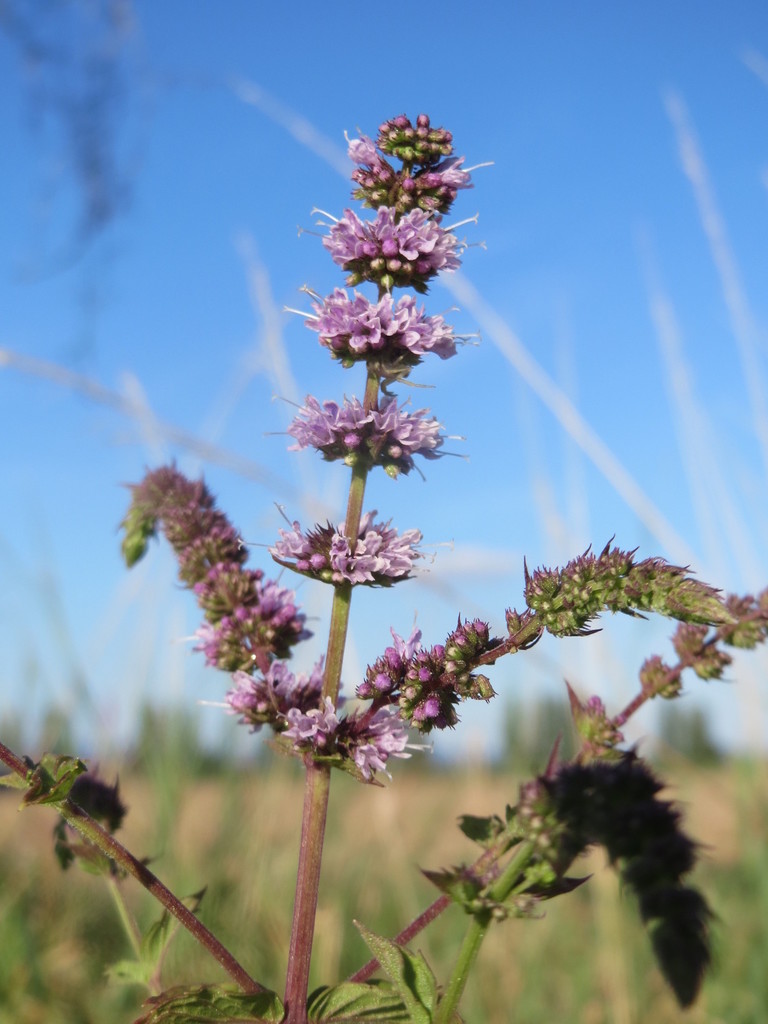
Grüne Minze ist ein erfrischendes, ausdauerndes Kraut, das für seinen hellen, süßen Minzgeschmack bekannt ist. Sie wird häufig in kulinarischen Gerichten, Tees und wegen ihrer aromatischen Eigenschaften verwendet.
Auf einen Blick
- Care level
- Easy
- Plant type
- Krautige Staude
- Light
- Volle Sonne bis Halbschatten
- Indoor light
- bright-indirect
- Water
- Every 3 to 7 days
- Mature size
- Bis zu 1 Meter hoch und breit
- Growth rate
- fast
- Hardiness
- USDA 3 to 10
- Bloom time
- Sommer
Pflege
Grüne Minze gedeiht auf feuchtem Boden und bevorzugt regelmäßiges Gießen, um Austrocknung zu vermeiden. Regelmäßiges Zurückschneiden fördert buschigeres Wachstum und verhindert, dass sie langbeinig wird. Achten Sie auf Anzeichen von echtem Mehltau, insbesondere bei Gedränge.
- Watering
- Halten Sie den Boden durchgehend feucht, aber nicht staunass. Gießen Sie, wenn sich die oberste Bodenschicht trocken anfühlt.
- Feeding
- Im Frühjahr und Mittsommer leicht mit einem ausgewogenen Flüssigdünger düngen, um das Wachstum zu unterstützen.
- Pruning
- Stängel regelmäßig einkürzen, um Büscheligkeit zu fördern und Blätter zu ernten. Im Spätherbst oder Frühjahr kräftig zurückschneiden.
- Repotting
- Alle 1-2 Jahre umtopfen oder wenn die Pflanze wurzelgebunden ist, vorzugsweise im Frühjahr.
- Soil
- Reicher, feuchter, gut durchlässiger Boden
- Soil pH
- Leicht sauer bis neutral (6,0-7,0)
- Temperature
- -34 to 35°C
- Humidity
- 40 to 60%
Sicherheit
- People
- The leaves and essential oil are generally considered safe for consumption in culinary amounts. However, concentrated essential oil should be used with caution.
- Pets
- Ungiftig für Katzen und Hunde.
- Children
- Small children might be sensitive to the strong flavor of mint; use in moderation for young children.
- Edibility
- While mint is generally safe, consuming excessive amounts could potentially cause digestive upset.
So erkennst du die Pflanze
- Vierkantige Stängel
- Gezähnte, lanzettförmige Blätter
- Ähren mit kleinen Blüten
- Aromatischer, minziger Duft
- Ausbreitender Wuchs
- Height
- 0.3 to 1m
- Spread
- 0.3 to 1m
- Leaves
- Grün, halb-immergrün
- Flowers
- Weiß, Rosa, Lavendel, 0.2 to 0.5cm
Häufige Probleme
- Rust — Orange-red pustules on leaves and stems, caused by a fungus that thrives in humid conditions.
- Mint rust — Puccinia spp. can cause significant defoliation and weakening of the plant.
- Aphids — Small, pear-shaped insects that feed on plant sap, causing distorted growth and yellowing leaves.
- Spider mites — Tiny arachnids that create fine webbing and cause stippling on leaves due to their feeding.
- Spittlebugs — Nymphs produce frothy spittle masses on stems and leaves, which can reduce plant vigor.
- Powdery mildew — A white, powdery fungus that grows on leaves and stems, typically in dry, humid conditions.
Standort und Pflege
- Propagation
- Stecklinge, Teilung, Samen
- When to plant
- Frühling, Sommer, Herbst
Mint spreads rapidly, so consider planting it in containers or using root barriers to keep it from taking over your garden beds.
Gute Pflanzpartner
Fernhalten von
- Parsley — Mint can be overly aggressive and may crowd out more delicate herbs like parsley.
- Chamomile — Mint's vigorous growth can overwhelm and compete with chamomile for resources.
Ähnliche Arten
- Peppermint — This cultivar has a subtle chocolatey aroma and flavor alongside the typical minty notes.
- Apple Mint — Apple mint has a softer, fuzzier leaf texture and a mild, fruity scent reminiscent of apples.
- Chocolate Mint — This cultivar has a subtle chocolatey aroma and flavor alongside the typical minty notes.
Botanisches
- Family
- Lamiaceae
- Genus
- Mentha
- Order
- Lamiales
- Class
- Magnoliopsida
- Native range
- Mediterranean region
- Conservation
- Not of conservation concern.
Spearmint thrives in moist, well-drained soils and can form dense colonies in its native habitats.
- Value to wildlife
- nectar source, pollen source
- Pollinators
- bees, butterflies, moths
- Uses
- culinary, medicinal, aromatic, tea
Im Jahresverlauf
Ökologische Zeigerwerte
- Salinity
- 2/9
- Soil reaction
- 7/9
- Light
- 6/9
- Temperature
- 7/9
- Moisture
- 6/9
- Nutrients
- 6/9
Taxonomie abgeglichen mit GBIF.
Häufige Fragen
- How tall does spearmint get?
- Spearmint typically grows to be about 1 to 3 feet tall.
- Does spearmint like sun or shade?
- It prefers full sun but can tolerate partial shade, especially in hot climates.
- How often should I water spearmint?
- Keep the soil consistently moist, watering when the top inch of soil feels dry.
- Can spearmint be grown in pots?
- Yes, spearmint does very well in containers, which also helps manage its spread.
- When is the best time to harvest spearmint?
- You can harvest leaves throughout the growing season, preferably in the morning after the dew has dried.
Woher der Name kommt
The common name 'spearmint' likely comes from its narrow, spear-shaped leaves. The scientific name 'spicata' is Latin for 'spiked,' referring to its flower spikes.
Gut zu wissen
- Spearmint is one of the most common mint varieties grown for culinary use.
- Its refreshing scent is often used in toothpaste and chewing gum.
- Historically, mint was used as a symbol of hospitality.
- The plant can spread aggressively through its rhizomes.
Geht es deiner grüne minze nicht gut?
Diese Seite bietet allgemeine Infos. Pocket Botanist erkennt Probleme anhand eines Fotos deiner echten Pflanze, passt das Gießen an dein Licht und deinen Standort an und erinnert dich an die Pflege.
Dieser Ratgeber wurde mit KI erstellt und mit der GBIF-Taxonomie abgeglichen. Er dient zur allgemeinen Information und ersetzt keine gärtnerische oder tierärztliche Beratung. Hier erfährst du, wie wir diese Ratgeber erstellen.