 Pocket Botanist
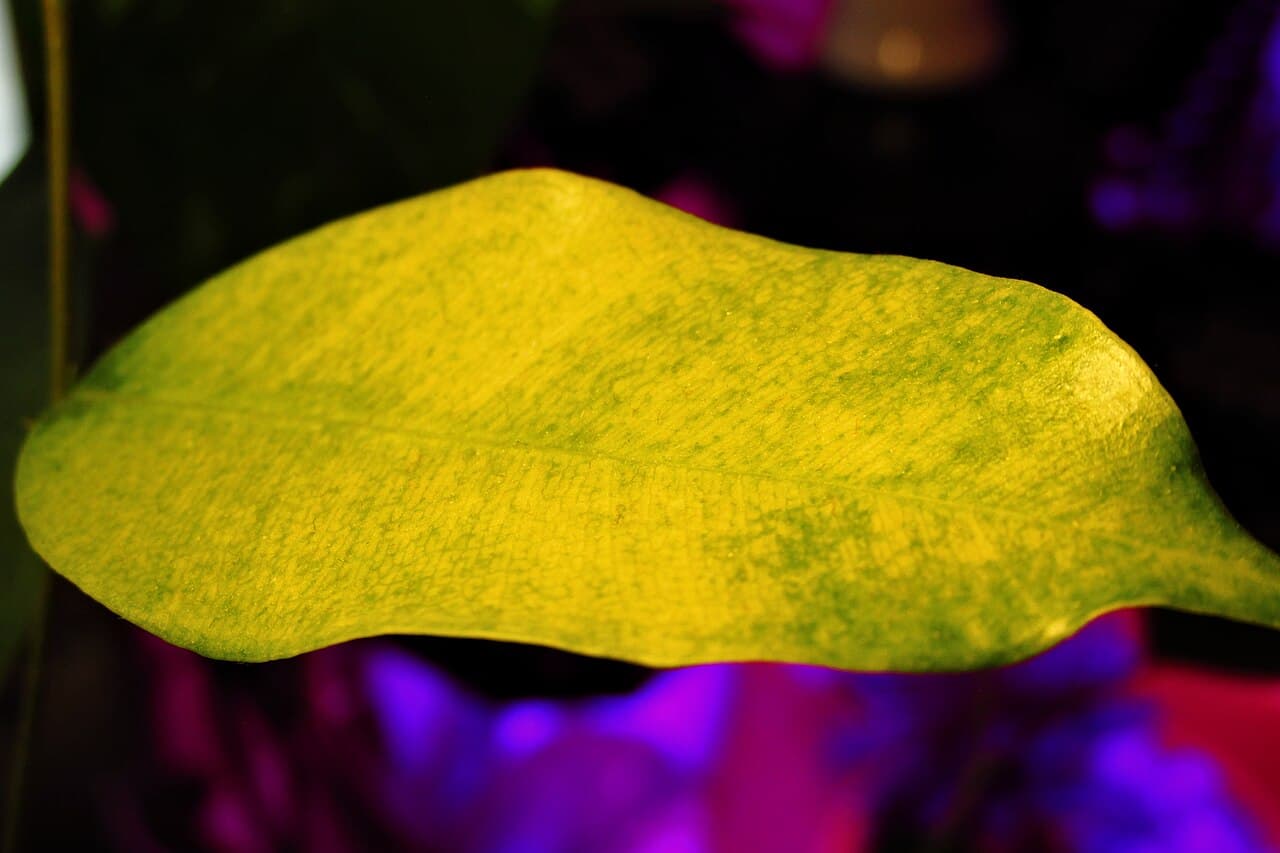

Check these first
- Examine the branches for sunken or dead bark patches.
- Check the soil around the base for standing water.
- Feel the soil to see if it is waterlogged.
Likely causes
Canker disease
PossibleHow to tell: You will see sunken, discolored areas on the bark that can girdle branches. This causes the leaves above the infection to turn yellow and eventually die.
What to do: Prune out the infected branches well below the visible canker. Sterilize your pruning shears with alcohol between every cut to avoid spreading the fungus.
Overwatering
PossibleHow to tell: The leaves turn yellow and the soil stays soggy for a long time. This is less common for this tree unless the soil has poor drainage.
What to do: Stop watering immediately and let the top 3 inches of soil dry out. Ensure the planting site has good drainage and avoid piling mulch against the trunk.
Find out what's wrong with your japanese zelkova
The list above covers the usual causes. Pocket Botanist looks at a photo of your actual plant and tells you the likely cause, how serious it is, and what to try first. Identification and a health check are free.



Scan with your phone's camera to get the app
Or go to pocketbotanist.app/get on your phone
When to worry
Worry if you see sunken bark or if the yellowing spreads rapidly across the canopy. Some yellowing in late autumn is normal as the tree prepares for winter.
Stopping it coming back
Avoid wounding the trunk with lawn equipment and ensure the tree is planted in well draining soil.
Japanese zelkova: yellow leaves? Check yours with a photo
Every plant is a little different. Take a photo of your japanese zelkova and Pocket Botanist tells you which cause is most likely, how serious it is, and what to try first. A few checks a day are free. Save the plant and you get care reminders timed for it.
Scan with your phone's camera to get the app
Or go to pocketbotanist.app/get on your phone
Get the app · Or check it from a photo now, free
Questions people ask
- Is yellowing always a disease?
- Not always, but on a Japanese zelkova, it is a sign that something is stressing the root system or the vascular health of the tree. Always check the bark for cankers first.
- How do I know if it is a canker?
- Look for areas where the bark looks sunken, cracked, or discolored. These spots often feel soft or brittle compared to the healthy bark.
Guides to these causes
More problems with Japanese zelkova
- Why are there sticky spots on my Japanese zelkova leaves?
- Why are my Japanese zelkova leaves curling?
- What are these spots on my Japanese zelkova bark?
- Why are my Japanese zelkova leaf tips turning brown?
- Why is my Japanese zelkova drooping?
- Why is my Japanese zelkova losing its leaves?
- How do I fix root rot on my Japanese zelkova?
Back to the Japanese zelkova guide
This article was generated with AI on from the plant’s care profile and is general information, not horticultural advice. Read about how we build these guides.