 Pocket Botanist
Pflanzenratgeber
Common vetch.
Vicia sativa
Aussprache VISH-ee-uh suh-TEE-vuh
Auch bekannt als Common Vetch, Garden Vetch, Infield Narrow-leaf Vetch, Narrowleaf Vetch



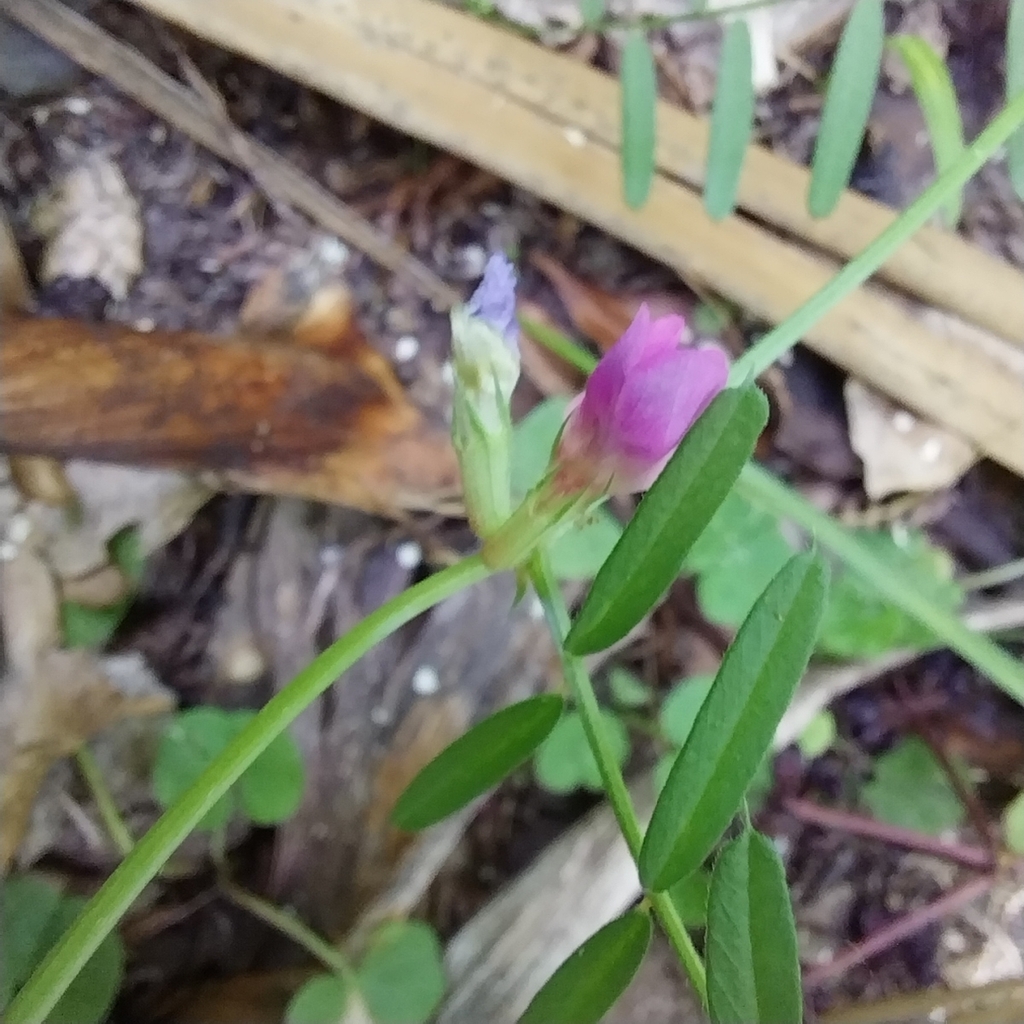
Common vetch is a hardy, nitrogen fixing legume often grown as a cover crop or forage. It produces lovely purple flowers and thrives in cooler weather. You will find it grows quickly in many soil types.
Auf einen Blick
- Pflegestufe
- Einfach
- Pflanzenart
- Annual legume
- Licht
- Full sun
- Licht im Innenraum
- Direkte Sonne
- Gießen
- Alle 3 bis 7 Tage
- Endgröße
- 3 feet
- Wachstum
- Schnell
- Winterhärte
- USDA 4 bis 9
- Blütezeit
- Late spring to early summer
Pflege
Sow seeds directly into the ground during cooler months for best results. Keep an eye out for aphids and ensure the soil drains well to prevent root rot. It is quite self sufficient once established.
- Gießen
- Keep the soil consistently moist but never soggy while the plants are actively growing.
- Düngen
- As a legume, it fixes its own nitrogen and rarely requires supplemental fertilizer.
- Schneiden
- Trim back if the plant becomes too sprawling or to encourage bushier growth.
- Umtopfen
- This plant is typically grown as an annual in the garden and does not require repotting.
- Boden
- Well draining loam
- Boden-pH
- 6.0 to 7.5
- Temperatur
- -15 bis 30°C
- Luftfeuchtigkeit
- 40 bis 70%
Sicherheit
- Menschen
- The plant is generally considered safe in small amounts, but raw seeds contain lathyrogens that can cause health issues if ingested regularly.
- Kinder
- Keep children away from the seed pods, as they pose a choking hazard and should not be eaten raw.
- Kontaktallergene
- Handling the foliage may cause mild skin irritation in sensitive individuals.
- Allergene in der Luft
- The pollen can trigger mild allergic reactions in those prone to hay fever.
- Essbarkeit
- While the seeds are sometimes consumed, they contain compounds that can be toxic if eaten in large quantities or improperly prepared.
So erkennst du die Pflanze
- Compound leaves with tendrils
- Small purple or pink flowers
- Slender, hairy stems
- Seed pods containing multiple seeds
- Höhe
- 0,3 bis 0,9m
- Breite
- 0,2 bis 0,4m
- Blätter
- green, deciduous
- Blüten
- purple, pink, 1 bis 2cm
- Früchte
- brown, black, Summer
Häufige Probleme
- Aphids — Small insects that cluster on stems and suck plant juices.
- Powdery mildew — A fungal infection that creates a white dusty coating on leaves.
Standort und Pflege
- Vermehrung
- seed
- Pflanzzeit
- spring, autumn
Sow vetch alongside grasses to provide the necessary support for its climbing habit.
Gute Pflanzpartner
- Hafer — Oats provide structural support for the vetch to climb.
- Winter Rye — They work together as a cover crop to suppress weeds.
Ähnliche Arten
- Vicia villosa — It is a hardier relative often used for similar agricultural purposes.
Botanisches
- Familie
- Fabaceae
- Gattung
- Vicia
- Ordnung
- Fabales
- Klasse
- Magnoliopsida
- Ursprüngliche Heimat
- Europe, Western Asia, and North Africa.
- Artenschutz
- It is a widespread and common species with no specific conservation concerns.
It thrives in disturbed soils and meadows, using its tendrils to scramble over surrounding vegetation.
- Nutzen für Wildtiere
- nitrogen fixer, nectar source
- Bestäuber
- Bienen, Schmetterlinge
- Verwendung
- cover crop, green manure, forage, ornamental meadow plant
Im Jahresverlauf
Ökologische Zeigerwerte
- Salzgehalt
- 2/9
- Bodenreaktion
- 6/9
- Licht
- 7/9
- Temperatur
- 5/9
- Feuchtigkeit
- 5/9
- Nährstoffe
- 4/9
Taxonomie abgeglichen mit GBIF.
Häufige Fragen
- Is common vetch invasive?
- It can be aggressive in some gardens but is generally manageable as an annual.
- Can I grow it in a pot?
- Yes, it grows well in containers if given a trellis for support.
Woher der Name kommt
The genus name Vicia is the classical Latin name for vetch, while sativa means cultivated.
Gut zu wissen
- It has been cultivated as a fodder crop since ancient times.
- The tendrils allow it to climb over other plants for better light access.
- It is a member of the pea family.
Probleme mit Common vetch?
Diese Seite bietet allgemeine Infos. Pocket Botanist erkennt Probleme anhand eines Fotos deiner echten Pflanze, passt das Gießen an dein Licht und deinen Standort an und erinnert dich an die Pflege.
Dieser Ratgeber wurde mit KI erstellt und mit der GBIF-Taxonomie abgeglichen. Er dient zur allgemeinen Information und ersetzt keine gärtnerische oder tierärztliche Beratung. Hier erfährst du, wie wir diese Ratgeber erstellen.