 Pocket Botanist

Check these first
- Assess if the plant is receiving at least 6 hours of light.
- Look for nearby plants that might be shading your vetch.
- Rotate the pot if it is leaning in one direction.
Likely causes
Low light
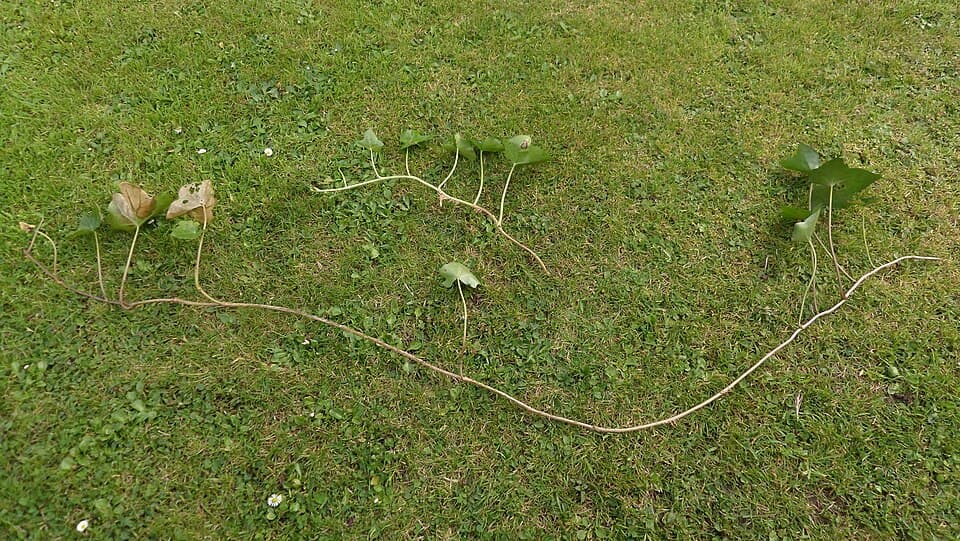
Most likelyHow to tell: The stems are long and thin with large gaps between the leaves. The plant leans heavily toward the light source.
What to do: Move the plant to a brighter location with more direct sun. If it is indoors, place it right next to a south or west facing window.
Overcrowding
PossibleHow to tell: The stems are thin and weak because they are competing with nearby plants for light and space. The foliage looks sparse and stretched.
What to do: Thin out surrounding plants to give your vetch more room to spread. This ensures it gets adequate light on all sides.
Find out what's wrong with your american vetch
The list above covers the usual causes. Pocket Botanist looks at a photo of your actual plant and tells you the likely cause, how serious it is, and what to try first. Identification and a health check are free.



Scan with your phone's camera to get the app
Or go to pocketbotanist.app/get on your phone
When to worry
If the stems are so thin they cannot support themselves, the plant is severely light-deprived. It is normal for the plant to have some natural vining behavior, but it should still look full and healthy.
Stopping it coming back
Provide consistent bright light and ensure the plant has enough space to grow without competing for resources.
American vetch: leggy growth? Check yours with a photo
Every plant is a little different. Take a photo of your american vetch and Pocket Botanist tells you which cause is most likely, how serious it is, and what to try first. A few checks a day are free. Save the plant and you get care reminders timed for it.
Scan with your phone's camera to get the app
Or go to pocketbotanist.app/get on your phone
Get the app · Or check it from a photo now, free
Questions people ask
- Should I prune the long stems?
- You can trim back long, leggy stems to encourage bushier growth, but only do this after you have moved the plant to a brighter spot.
- Does American vetch need a trellis?
- Yes, as a vetch, it is a climber and will look much better and grow stronger if given a small trellis or support to hold onto.
More problems with American vetch
- Why are there bugs on my American vetch?
- Why are there white spots on my American vetch?
- Why is my American vetch drooping?
- Why are my American vetch leaves turning yellow?
- Why are my American vetch leaf tips turning brown?
- Why is my American vetch dropping its leaves?
- Why is my American vetch not flowering?
- Why is my American vetch showing signs of root rot?
- Why are my American vetch leaves curling?
Back to the American vetch guide
This article was generated with AI on from the plant’s care profile and is general information, not horticultural advice. Read about how we build these guides.