 Pocket Botanist
Plant guide
Wingstem.
Verbesina alternifolia
Pronounced ver-beh-SY-nah al-ter-nih-FOH-lee-ah
Also known as Wing Stem, Yellow Iron Weed, Wingstem, alternate-leaved crownbeard



Scan with your phone's camera to get the app
Or go to pocketbotanist.app/get on your phone
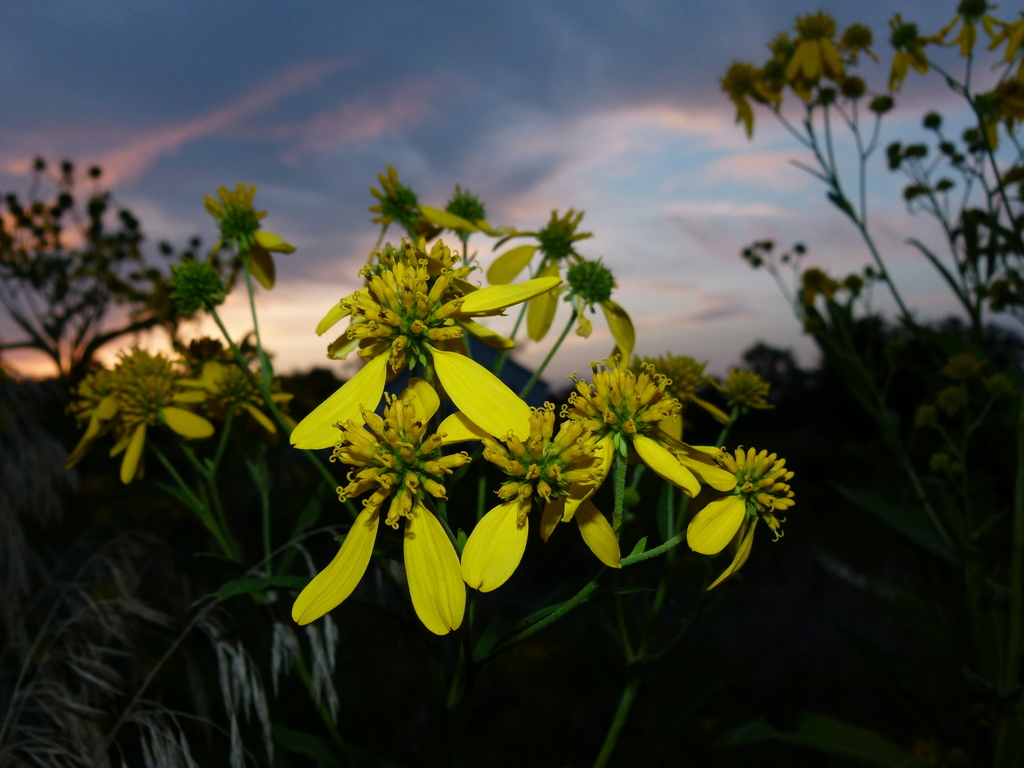
Wingstem is a tall, native perennial that brings a wild, woodland feel to your garden. It is a fantastic choice if you want to support local pollinators like bees and butterflies. You will love how its unique winged stems add texture to any landscape.

At a glance
- Care level
- Easy
- Plant type
- Perennial
- Light
- Partial shade to full sun
- Indoor light
- Bright indirect
- Water
- Every 3 to 7 days
- Mature size
- 8 feet
- Growth rate
- Fast
- Hardiness
- USDA 4 to 8
- Bloom time
- Late summer to early autumn
Care
Keep the soil consistently moist to mimic its natural woodland habitat. Watch for wilting during dry spells, as this plant prefers to stay hydrated. It spreads easily, so give it plenty of room to grow.
- Watering
- Keep the soil evenly moist but not waterlogged.
- Feeding
- A light application of compost in spring is usually plenty.
- Pruning
- Cut the stems back to the ground in late winter or early spring.
- Repotting
- This plant is best suited for the ground rather than containers.
- Soil
- Moist, rich, well-draining soil
- Soil pH
- Neutral to slightly acidic
- Temperature
- -25 to 35°C
- Humidity
- 40 to 80%
- Drought tolerance
- Moderate
- Lifespan
- Perennial, typically 3 to 5 years.
- Deer and rabbits
- Moderate
Signs it needs repotting
- Roots growing out of the drainage holes.
- Water running straight through the pot without soaking in.
Safety
- People
- There is no significant toxicity reported for humans, but it is not intended for consumption.
- Children
- The plant is not toxic, but the tall, stiff stems can be sharp or abrasive if handled roughly by children.
- Contact allergens
- Handling the stems may cause mild skin irritation in sensitive individuals due to the texture.
- Airborne allergens
- The pollen can be a minor allergen for those sensitive to aster family plants during late summer.
- Edibility
- This plant is not considered edible and should not be consumed.
How to identify it
- Tall stems with distinct leafy wings
- Yellow flowers with drooping ray florets
- Alternate leaf arrangement along the stem
- Rough, hairy texture on the leaves
- Height
- 1.5 to 2.5m
- Spread
- 0.6 to 1.2m
- Leaves
- green, deciduous
- Flowers
- white, yellow, 2 to 4cm
- Fruit
- brown, Autumn
Problems to watch for
- Powdery mildew · A white fungal growth on leaves often caused by poor air circulation or high humidity.
Check your wingstem from a photo
Pocket Botanist looks at a photo of your plant and tells you what's wrong and what to try first.
Scan with your phone's camera to get the app
Or go to pocketbotanist.app/get on your phone
Growing it
- Propagation
- seed, division
- When to plant
- spring, autumn
- Overwintering
- The plant dies back to the ground in winter. You can leave the dried stems standing for winter interest and wildlife cover, then cut them back in early spring.
- In containers
- It is generally too large and aggressive for standard containers, but it can grow in very large tubs if kept well-watered.
Seed
- 1. Collect seeds in late autumn once the flower heads turn brown and dry.
- 2. Sow seeds directly into the garden in autumn for cold stratification.
- 3. Keep the soil moist until germination occurs in the spring.
Plant wingstem in the back of a border to provide height and structure for shorter, sun-loving perennials.
Grows well with
- Joe Pye Weed · They share similar moisture needs and provide a beautiful late-season color contrast.
- New England Aster · These plants bloom at the same time and create a vibrant pollinator magnet.
Similar species
- Frostweed · It is a close relative that also exhibits interesting stem structures and late-season blooms.
Science
- Family
- Asteraceae
- Genus
- Verbesina
- Order
- Asterales
- Class
- Magnoliopsida
- Native range
- Eastern and central North America.
- Conservation
- It is a common native plant and is not currently of conservation concern.
It thrives in moist, rich soils along woodland edges and stream banks where it competes well with other tall perennials.
- Value to wildlife
- nectar source, larval host plant
- Pollinators
- bees, butterflies, moths
- Uses
- pollinator garden, wildlife habitat, naturalized areas
Through the year
Ecological indicators
- Salinity
- 1/9
- Soil reaction
- 6/9
- Light
- 6/9
- Temperature
- 5/9
- Moisture
- 7/9
- Nutrients
- 6/9
Taxonomy resolved against GBIF.
Questions people ask
- Is wingstem invasive?
- It can be aggressive in small gardens because it spreads readily by seed, but it is native to North America.
- Does it need staking?
- It can get quite tall, so planting it in a group or near sturdier plants helps keep it upright.
Where the name comes from
The genus name Verbesina comes from the resemblance of its leaves to the genus Verbena, while the species name alternifolia refers to the alternate leaf arrangement.
Good to know
- Wingstem is a prolific self-seeder in ideal conditions.
- It is a favorite of many native bees and late-season butterflies.
- The stems carry thin leafy wings that run down from the leaf bases, a feature that sets wingstem apart from most other asters.
Keep your wingstem growing
This page is a general guide. Save your plant in Pocket Botanist and you get care reminders timed for this plant, plus a care history that shows what worked.
Scan with your phone's camera to get the app
Or go to pocketbotanist.app/get on your phone
This guide was generated with AI on and checked against GBIF taxonomy. It is general information, not horticultural or veterinary advice. Read about how we build these guides.