 Pocket Botanist
Plant guide
Siberian elm.
Ulmus pumila
Pronounced UL-mus POO-mih-luh
Also known as Chinese elm, Manchurian elm, Siberian elm, Siberian elm, Dwarf elm, dwarf elm, littleleaf elm



Scan with your phone's camera to get the app
Or go to pocketbotanist.app/get on your phone
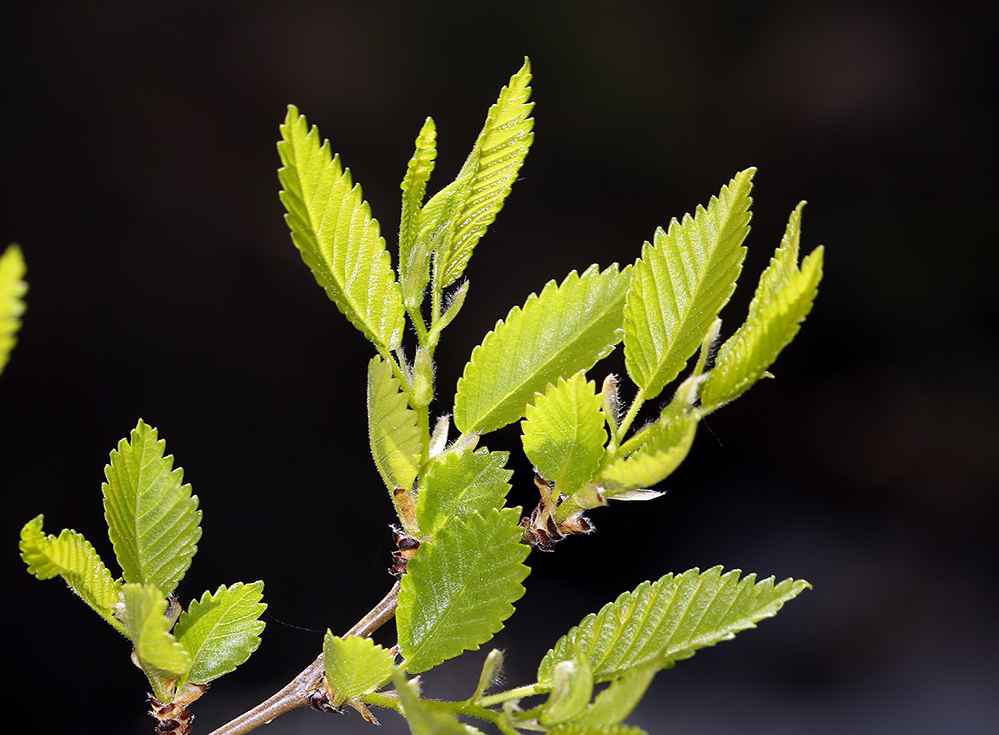
The Siberian elm is a fast growing, hardy tree known for its ability to thrive in harsh, dry conditions. It is often used as a windbreak or for quick shade in difficult landscapes. You will find it is quite adaptable to various soil types.

At a glance
- Care level
- Easy
- Plant type
- Deciduous tree
- Light
- Full sun
- Indoor light
- Direct sun
- Water
- Every 7 to 14 days
- Mature size
- 50 to 70 feet
- Growth rate
- Fast
- Hardiness
- USDA 3 to 9
- Bloom time
- Early spring
Care
This tree is tough, but it benefits from occasional deep watering during extreme droughts. Keep an eye out for brittle branches that might break during high winds. Regular monitoring helps catch pests like elm leaf beetles early.
- Watering
- Water deeply once established, especially during dry spells.
- Feeding
- Apply a balanced fertilizer in early spring if growth seems sluggish.
- Pruning
- Prune in late winter to remove dead wood and shape the canopy.
- Repotting
- Repotting is only relevant for young trees or bonsai specimens.
- Soil
- Well draining, adaptable to poor soil
- Soil pH
- 6.0 to 8.0
- Temperature
- -40 to 40°C
- Humidity
- 20 to 70%
- Drought tolerance
- High
- Lifespan
- Perennial, typically 50 to 70 years
- Deer and rabbits
- Moderate
Safety
- People
- The plant is not considered toxic to humans.
- Children
- There are no specific safety concerns for children, though the brittle branches can break during storms.
- Contact allergens
- The rough texture of the leaves can cause minor skin irritation in sensitive individuals.
- Airborne allergens
- The wind dispersed pollen is a significant allergen for many people during the early spring.
- Edibility
- The seeds are edible but generally considered unpalatable and not a standard food source.
How to identify it
- Small, serrated, alternate leaves
- Rough, greyish brown bark
- Slender, zigzagging twigs
- Small, papery, winged seeds
- Rounded, open canopy shape
- Height
- 15 to 20m
- Spread
- 10 to 15m
- Leaves
- green, deciduous
- Flowers
- green, brown, 0.5 to 1cm
- Fruit
- tan, Late spring
Problems to watch for
- Elm Leaf Beetle · The larvae skeletonize the leaves, causing significant aesthetic damage.
- Dutch Elm Disease · While more resistant than other elms, it can still be affected by this fungal pathogen.
Check your siberian elm from a photo
Pocket Botanist looks at a photo of your plant and tells you what's wrong and what to try first.
Scan with your phone's camera to get the app
Or go to pocketbotanist.app/get on your phone
Growing it
- Propagation
- seed, cuttings
- When to plant
- spring, fall
- Overwintering
- No special care is needed as it is extremely cold hardy. Ensure the soil is moist before the ground freezes if the autumn has been dry.
- In containers
- It is not suitable for containers due to its massive size and rapid growth rate.
Seed
- Collect seeds in late spring when they turn tan.
- Sow them immediately in a sunny, well drained spot.
- Keep the soil lightly moist until germination occurs.
Plant drought tolerant shrubs nearby to minimize competition for water in dry climates.
Grows well with
- Common Lilac · They share similar drought tolerance and soil requirements.
- Russian Sage · This perennial thrives in the same dry, sunny conditions.
Similar species
- American Elm · It has a more graceful vase shape but is highly susceptible to disease.
Science
- Family
- Ulmaceae
- Genus
- Ulmus
- Order
- Rosales
- Class
- Magnoliopsida
- Native range
- Central and Eastern Asia
- Conservation
- It is considered invasive in many parts of North America due to its aggressive self seeding nature.
It thrives in harsh, arid environments by establishing a deep root system quickly.
- Value to wildlife
- nesting site, larval host plant
- Pollinators
- bees
- Uses
- shade tree, windbreak, erosion control
Through the year
Ecological indicators
- Salinity
- 5/9
- Soil reaction
- 6/9
- Light
- 8/9
- Temperature
- 5/9
- Moisture
- 3/9
- Nutrients
- 3/9
Taxonomy resolved against GBIF.
Questions people ask
- Is this a good tree for a small yard?
- No, it grows very large and has an aggressive root system that can damage foundations.
- How do I stop it from spreading?
- You must pull up the numerous seedlings that sprout in your garden every spring.
Where the name comes from
The name Ulmus is the Latin word for elm, while pumila means dwarf, which is ironic given its large size.
Good to know
- It is often called the Siberian Elm.
- The wood is quite brittle and prone to breaking in high winds.
- It grows very quickly, sometimes adding several feet in a single season.
- It was widely planted in the Great Plains as a shelterbelt tree.
Also in
Keep your siberian elm growing
This page is a general guide. Save your plant in Pocket Botanist and you get care reminders timed for this plant, plus a care history that shows what worked.
Scan with your phone's camera to get the app
Or go to pocketbotanist.app/get on your phone
This guide was generated with AI on and checked against GBIF taxonomy. It is general information, not horticultural or veterinary advice. Read about how we build these guides.