 Pocket Botanist
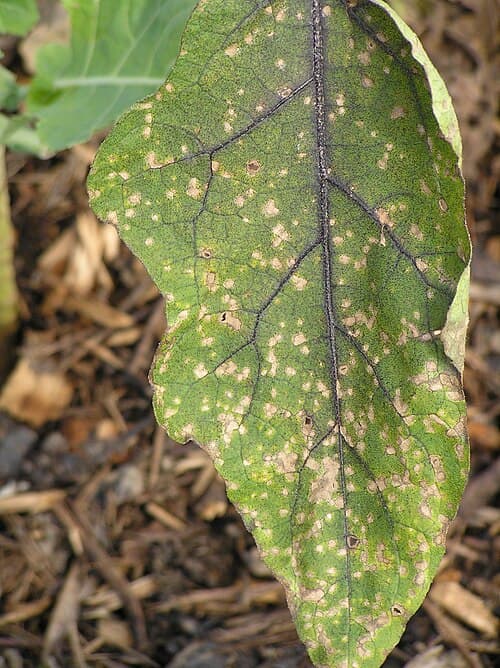

Check these first
- Inspect the undersides of the leaves for fuzzy growth.
- Check if the spots are spreading to the flowers.
- Look at nearby plants to see if they show similar symptoms.
Likely causes
Tulip fire (Botrytis tulipae)
Most likelyHow to tell: Small, brown, water-soaked spots appear on leaves and stems. In humid conditions, you might see a gray, fuzzy fungal growth on the affected areas.
What to do: Remove and destroy all infected plant parts immediately to stop the spread. Do not compost the infected material, as the fungus can survive in the soil.
Overhead watering
PossibleHow to tell: Spots appear after you have been watering the foliage directly. Wet leaves are a breeding ground for fungal spores.
What to do: Water at the base of the plant instead of spraying the leaves. Ensure there is good air circulation around your tulips to help the foliage dry quickly.
Find out what's wrong with your tulip
The list above covers the usual causes. Pocket Botanist looks at a photo of your actual plant and tells you the likely cause, how serious it is, and what to try first. Identification and a health check are free.



Scan with your phone's camera to get the app
Or go to pocketbotanist.app/get on your phone
When to worry
If the spots are accompanied by twisted or distorted stems, the plant is likely severely infected. Remove it entirely to protect your other bulbs.
Stopping it coming back
Avoid planting bulbs too close together and always water at the soil level to keep the leaves dry.
Tulip: spots? Check yours with a photo
Every plant is a little different. Take a photo of your tulip and Pocket Botanist tells you which cause is most likely, how serious it is, and what to try first. A few checks a day are free. Save the plant and you get care reminders timed for it.
Scan with your phone's camera to get the app
Or go to pocketbotanist.app/get on your phone
Get the app · Or check it from a photo now, free
Questions people ask
- Will my tulips recover from tulip fire?
- It is very difficult to cure once it takes hold. It is usually best to remove the infected plant to save the rest of your garden.
- Can I plant new tulips in the same spot?
- Avoid planting tulips in the same soil for at least 3 years to ensure the fungal spores have died off.
Guides to these causes
More problems with Tulip
This article was generated with AI on from the plant’s care profile and is general information, not horticultural advice. Read about how we build these guides.