 Pocket Botanist
Plant guide
Jack-go-to-bed-at-noon.
Tragopogon pratensis
Pronounced tra-go-PO-gon pra-TEN-sis
Also known as Common Goat's Beard, Goat's-Beard, Goatsbeard, Jack-go-to-bed-at-noon



Scan with your phone's camera to get the app
Or go to pocketbotanist.app/get on your phone
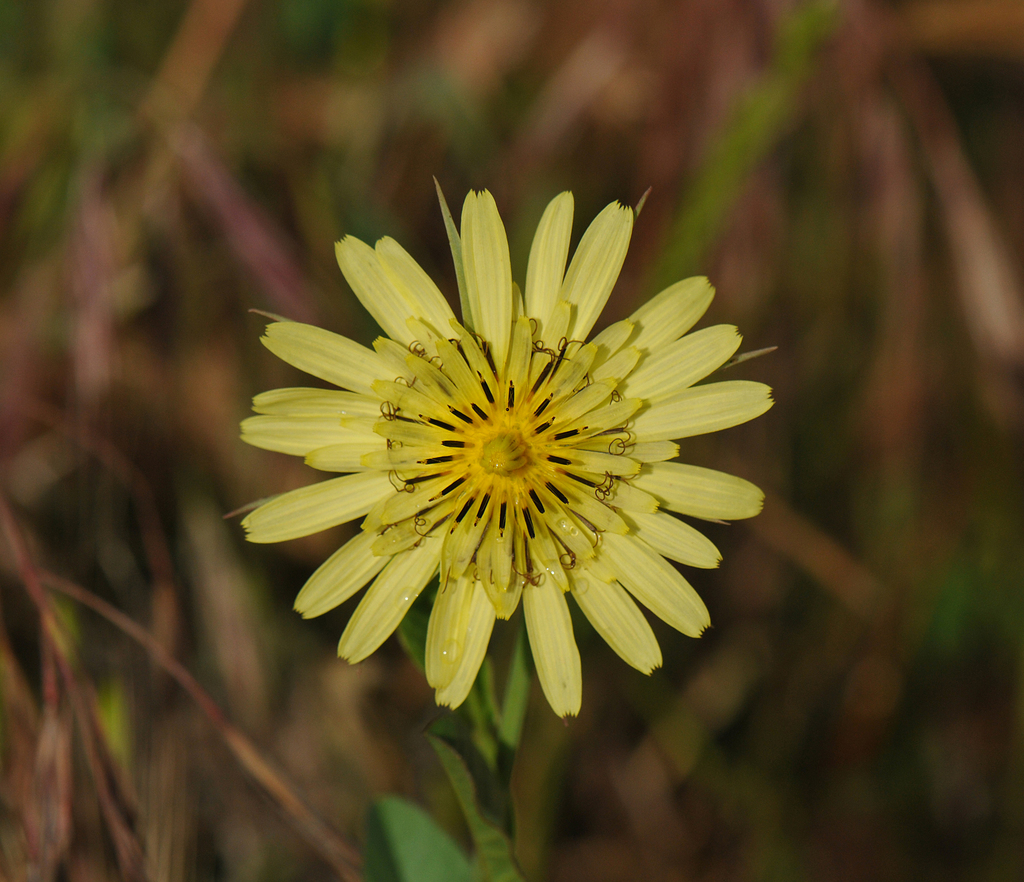
This charming biennial wildflower is known for its bright yellow blooms that close up by midday. It is a common sight in meadows and along roadsides throughout Europe and North America. You will love how its fluffy seed heads resemble giant dandelions.

At a glance
- Care level
- Easy
- Plant type
- Biennial wildflower
- Light
- Full sun
- Indoor light
- Direct sun
- Water
- Every 7 to 14 days
- Mature size
- 3 feet
- Growth rate
- Medium
- Hardiness
- USDA 3 to 9
- Bloom time
- Late spring to mid summer
Care
Plant these in a sunny spot with well-draining soil to keep them happy. Watch for wilting if the soil dries out too much during the heat of summer. They are quite resilient and generally do not need much fussing.
- Watering
- Keep the soil consistently moist but never soggy for the best growth.
- Feeding
- A light application of balanced fertilizer in spring is plenty.
- Pruning
- Deadhead spent flowers if you want to prevent unwanted self-seeding.
- Repotting
- These plants have deep taproots and generally prefer being planted directly in the ground.
- Soil
- Well-draining, loamy soil
- Soil pH
- Neutral to slightly alkaline
- Temperature
- -20 to 30°C
- Humidity
- 40 to 70%
- Drought tolerance
- Moderate
- Lifespan
- Biennial, typically 2 years
- Deer and rabbits
- Moderate
Safety
- People
- This plant is not considered toxic to humans.
- Children
- The milky sap can be sticky and messy, but it poses no significant ingestion risk to children.
- Contact allergens
- The milky latex sap may cause mild skin irritation in sensitive individuals.
- Airborne allergens
- The wind dispersed seeds have fluffy pappi that can be a minor respiratory irritant.
- Edibility
- While the roots and young shoots are edible, ensure you have correctly identified the plant as it can look like other species.
How to identify it
- Bright yellow ray florets
- Long, grass-like basal leaves
- Large, spherical seed heads
- Milky sap in stems
- Bracts longer than flower petals
- Height
- 0.3 to 0.8m
- Spread
- 0.15 to 0.3m
- Leaves
- green, blue-green, deciduous
- Flowers
- yellow, 3 to 6cm
- Fruit
- white, brown, Summer
Problems to watch for
- Rust · Fungal spots may appear on leaves during humid weather.
Check your jack-go-to-bed-at-noon from a photo
Pocket Botanist looks at a photo of your plant and tells you what's wrong and what to try first.
Scan with your phone's camera to get the app
Or go to pocketbotanist.app/get on your phone
Growing it
- Propagation
- seed
- When to plant
- spring, autumn
- Overwintering
- The plant forms a low rosette of leaves that will persist through the winter in mild climates. No special protection is needed as it is quite hardy.
- In containers
- It is not typically grown in containers as it has a long taproot that prefers deep garden soil.
Seed
- 1. Collect seeds when the pappus is dry and fluffy.
- 2. Sow directly into the garden in autumn or early spring.
- 3. Press seeds lightly into the soil surface.
- 4. Keep the area moist until germination occurs.
Plant this in a sunny meadow mix to allow its unique seed heads to stand out after the flowers fade.
Grows well with
- Oxeye Daisy · They share similar meadow habitat requirements and bloom times.
- Red Clover · It provides a nice color contrast and fixes nitrogen in the soil.
Similar species
- Salsify · It is a close relative with purple flowers instead of yellow.
Science
- Family
- Asteraceae
- Genus
- Tragopogon
- Order
- Asterales
- Class
- Magnoliopsida
- Native range
- Europe and Western Asia
- Conservation
- It is a widespread and common species with no conservation concerns.
It thrives in open, sunny grasslands and disturbed soils where it can easily disperse its wind blown seeds.
- Value to wildlife
- nectar source
- Pollinators
- bees, butterflies
- Uses
- culinary roots, ornamental meadow plant
Through the year
Ecological indicators
- Salinity
- 1/9
- Soil reaction
- 6/9
- Light
- 8/9
- Temperature
- 5/9
- Moisture
- 4/9
- Nutrients
- 5/9
Taxonomy resolved against GBIF.
Questions people ask
- Why do the flowers close in the afternoon?
- It is a natural response to the intensity of the sun and helps protect the pollen.
- Is it a weed?
- It is often considered a weed in lawns, but it is a lovely addition to wildflower meadows.
Where the name comes from
Tragopogon comes from the Greek words for goat and beard, referring to the hairy pappus of the seeds, while pratensis means of the meadow.
Good to know
- The roots were historically eaten like parsnips.
- It is a biennial or short lived perennial.
- The seed heads look like giant dandelions.
- It is native to Europe and parts of Asia.
Keep your jack-go-to-bed-at-noon growing
This page is a general guide. Save your plant in Pocket Botanist and you get care reminders timed for this plant, plus a care history that shows what worked.
Scan with your phone's camera to get the app
Or go to pocketbotanist.app/get on your phone
This guide was generated with AI on and checked against GBIF taxonomy. It is general information, not horticultural or veterinary advice. Read about how we build these guides.