 Pocket Botanist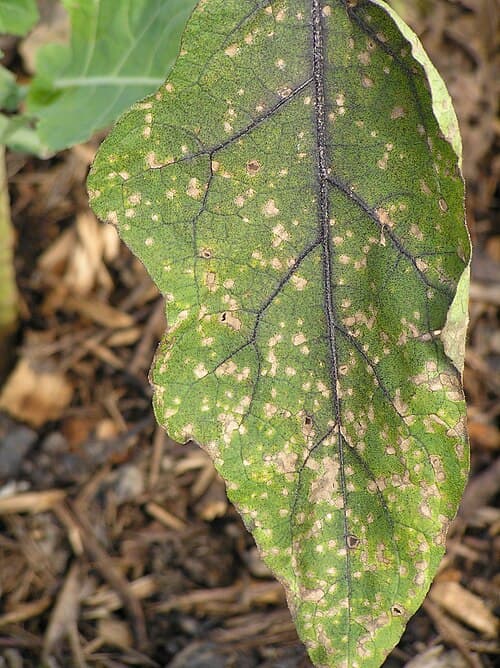

Check these first
- Look for white dust on the leaves.
- Check if the leaves are staying wet for too long.
- Ensure the plant has enough space from other plants.
Likely causes
Powdery Mildew
Most likelyHow to tell: A white, powdery substance appears on the surface of the leaves.
What to do: Improve air circulation by thinning out nearby plants. You can apply a neem oil spray or a mixture of water and baking soda to the affected leaves.
Fungal Leaf Spot
PossibleHow to tell: Dark brown or black spots appear on the foliage, often with a yellow halo.
What to do: Remove and dispose of any heavily infected leaves to stop the spread. Avoid overhead watering to keep the foliage dry.
When to worry
Small spots are manageable, but if the entire plant is covered in fungus, it may lose its leaves early. It is normal for foliage to look a bit tired as the plant prepares for summer dormancy.
Stopping it coming back
Water at the base of the plant rather than over the leaves and ensure good airflow.
Not sure which one it is? Photograph your rue anemone.
This page lists the usual causes. Pocket Botanist looks at your actual leaf and tells you the likely cause, how serious it is, and what to try first. Identification and a health check are free.


Questions people ask
- Is powdery mildew harmful to Rue anemone?
- It is mostly unsightly and can weaken the plant if left untreated. It rarely kills the plant, but it can cause premature leaf drop.
- Should I cut off spotted leaves?
- Yes, removing infected leaves helps prevent the fungus from spreading to healthy parts of the plant. Always dispose of them in the trash, not your compost.
More problems with Rue anemone
This article was generated with AI from the plant’s care profile and is general information, not horticultural advice. Read about how we build these guides.