 Pocket Botanist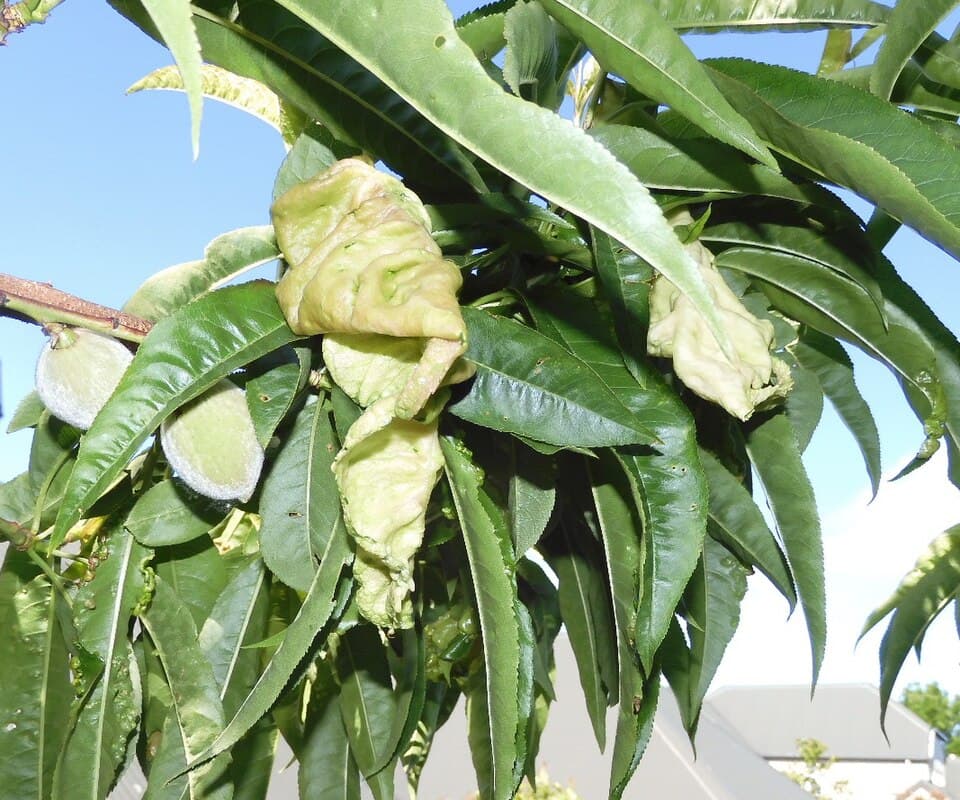

Check these first
- Look closely at the new leaves for tiny insects.
- Feel the soil to see if it has dried out completely.
- Check if the curling happens only during the hottest part of the day.
Likely causes
Aphid Infestation
Most likelyHow to tell: You will see small clusters of tiny green or black insects on the undersides of leaves or near the stem. The leaves will look distorted and curled as the aphids suck the sap.
What to do: Spray the tree with a strong stream of water to knock the aphids off. If they return, apply neem oil or insecticidal soap to the affected areas every 5 to 7 days.
Heat Stress
PossibleHow to tell: The leaves curl inward to protect themselves from intense heat and moisture loss. This usually happens during the hottest part of the day.
What to do: Ensure the tree is getting enough water every 3 to 7 days. If the heat is extreme, consider providing some afternoon shade.
When to worry
Worry if the curling is accompanied by a sticky substance on the leaves or if the plant stops growing. Minor curling during a heatwave is a normal defense mechanism.
Stopping it coming back
Keep the tree healthy with consistent watering and check the leaves weekly for early signs of pests.
Not sure which one it is? Photograph your sea almond.
This page lists the usual causes. Pocket Botanist looks at your actual leaf and tells you the likely cause, how serious it is, and what to try first. Identification and a health check are free.


Questions people ask
- Can I just pick the bugs off?
- If the infestation is small, you can wipe them off with a damp cloth. For larger trees, a spray is much more effective.
- Are curled leaves permanent?
- Yes, once a leaf is curled by pests or heat, it will not flatten out. The plant will grow new, healthy leaves once the stress is removed.
More problems with Sea almond
This article was generated with AI from the plant’s care profile and is general information, not horticultural advice. Read about how we build these guides.