 Pocket Botanist
Plant guide
Java plum.
Syzygium cumini
Pronounced sih-ZID-jee-um KYOO-min-eye
Also known as Black Plum, Black plum, Jambolan, Java plum, Jamun, Black plum tree, Indian blackberry, Java plumtree, Portuguese plum, Jamun, Java plum, Java-plum, Malabar plum, Malabar-plum, Portuguese-plum



Scan with your phone's camera to get the app
Or go to pocketbotanist.app/get on your phone
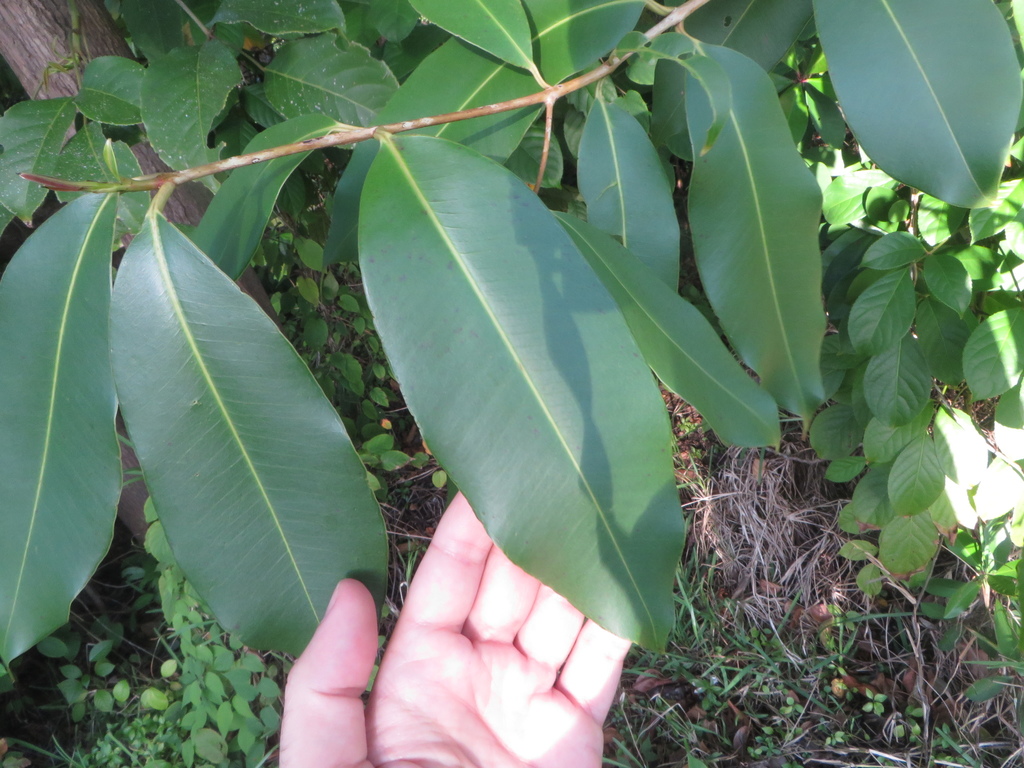
The Java plum is a beautiful, fast growing tropical tree known for its dense canopy and edible, dark purple fruit. It thrives in warm climates and is often grown for both its ornamental value and its delicious harvest. You will love how quickly it establishes itself in a sunny spot.

At a glance
- Care level
- Moderate
- Plant type
- Evergreen tree
- Light
- Full sun
- Indoor light
- Direct sun
- Water
- Every 3 to 7 days
- Mature size
- 30 meters
- Growth rate
- Fast
- Hardiness
- USDA 10 to 12
- Bloom time
- Late spring to early summer
Care
Provide plenty of sunlight and consistent moisture to keep this tree happy. Watch for yellowing leaves, which may indicate poor drainage or nutrient deficiency. It prefers a humid environment and protection from harsh frost.
- Watering
- Keep the soil consistently moist but never waterlogged.
- Feeding
- Apply a balanced fertilizer during the active growing season.
- Pruning
- Prune annually to maintain shape and encourage fruit production.
- Repotting
- Repot young trees every year or two until they reach their final size.
- Soil
- Well-draining, loamy soil
- Soil pH
- 5.5 to 7.5
- Temperature
- 5 to 40°C
- Humidity
- 60 to 90%
- Drought tolerance
- Moderate
- Fragrance
- Light
Safety
- People
- The seeds contain alkaloids that may be toxic if consumed in large quantities.
- Pets
- This plant is generally considered non-toxic to cats and dogs.
- Children
- The small, dark fruits can be a choking hazard for very young children.
- Contact allergens
- The sap may cause mild skin irritation in sensitive individuals.
- Airborne allergens
- The pollen can trigger mild allergic reactions in some people during the flowering season.
- Edibility
- The fruit is edible but should be consumed in moderation as excessive intake may cause digestive upset.
How to identify it
- Glossy, leathery, dark green leaves
- Fragrant, white, clustered flowers
- Oval, deep purple to black fruit
- Rough, greyish brown bark
- Height
- 10 to 30m
- Spread
- 5 to 15m
- Leaves
- green, evergreen
- Flowers
- white, cream, 0.5 to 1cm
- Fruit
- purple, black, Late summer to autumn
Problems to watch for
- Leaf spot · Fungal infections causing dark spots on leaves during high humidity.
- Stem borer · Larvae that tunnel into the wood and weaken branches.
Check your java plum from a photo
Pocket Botanist looks at a photo of your plant and tells you what's wrong and what to try first.
Scan with your phone's camera to get the app
Or go to pocketbotanist.app/get on your phone
Growing it
- Propagation
- seed, cuttings, grafting
- When to plant
- spring, early monsoon
Plant in a spacious area as this tree grows quite large and casts heavy shade.
Grows well with
Similar species
- Wax Apple · It is a closely related species with similar growth habits.
Science
- Family
- Myrtaceae
- Genus
- Syzygium
- Order
- Myrtales
- Class
- Magnoliopsida
- Native range
- Tropical Asia and the Indian subcontinent.
- Conservation
- It is not currently listed as endangered or threatened in its native range.
It thrives in riparian zones and moist forests, often spreading through bird dispersal of its seeds.
- Value to wildlife
- nectar source, fruit source for birds
- Pollinators
- bees, butterflies
- Uses
- fruit production, shade tree, windbreak, traditional medicine
Through the year
Ecological indicators
- Salinity
- 2/9
- Soil reaction
- 6/9
- Light
- 8/9
- Temperature
- 9/9
- Moisture
- 7/9
- Nutrients
- 6/9
Taxonomy resolved against GBIF.
Questions people ask
- How long until it fruits?
- Grafted trees can fruit in 3 to 5 years, while seed grown trees take much longer.
- Does it need full sun?
- Yes, it thrives in full sun for optimal fruit production.
Where the name comes from
The name Syzygium comes from the Greek word for joined, referring to the paired leaves, while cumini refers to the resemblance of the seeds to cumin.
Good to know
- The tree is considered sacred in some cultures.
- The wood is water resistant and used for building wells.
- The fruit juice is often used to make refreshing beverages.
- It is a fast growing tree that can live for over a century.
Keep your java plum growing
This page is a general guide. Save your plant in Pocket Botanist and you get care reminders timed for this plant, plus a care history that shows what worked.
Scan with your phone's camera to get the app
Or go to pocketbotanist.app/get on your phone
This guide was generated with AI on and checked against GBIF taxonomy. It is general information, not horticultural or veterinary advice. Read about how we build these guides.