 Pocket Botanist
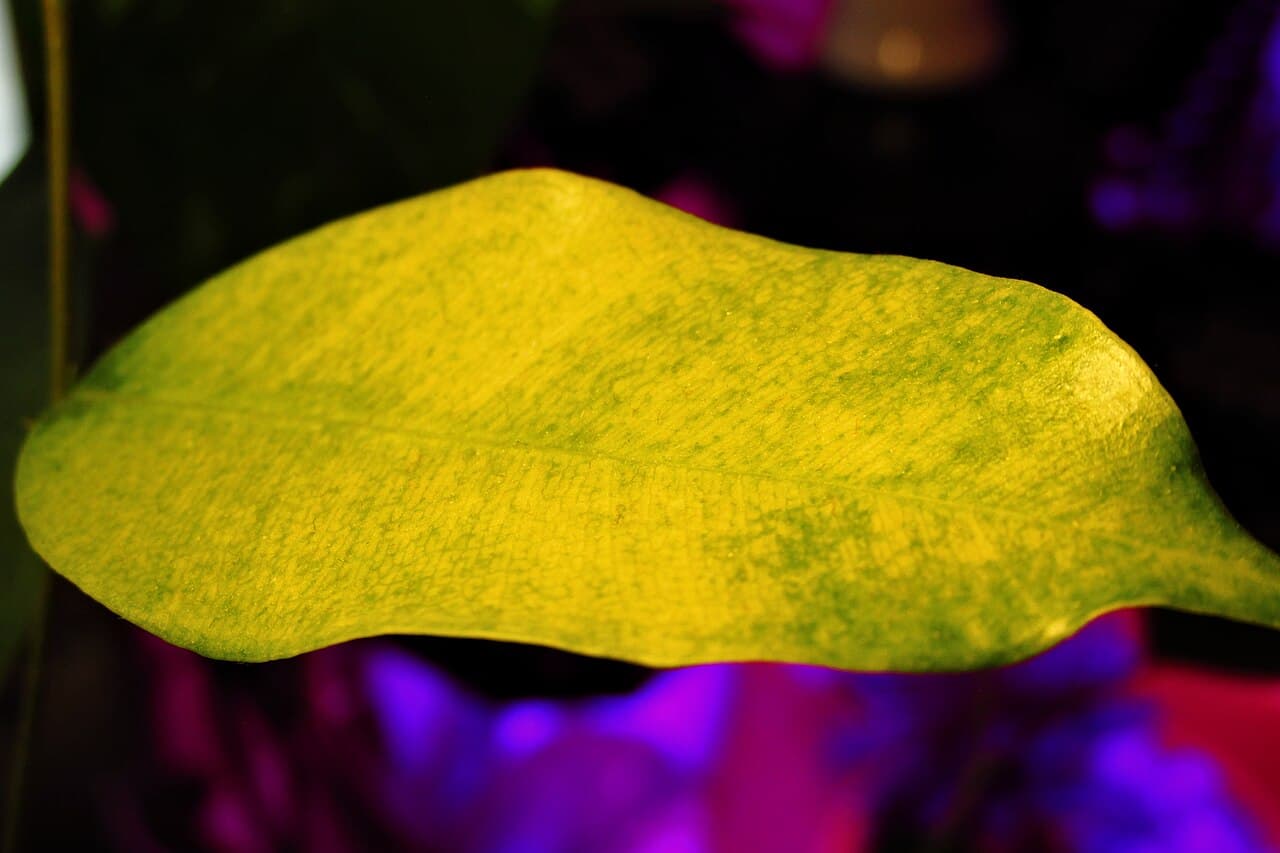

Check these first
- Poke your finger into the soil to check for dampness.
- Inspect the drainage holes to ensure they are not blocked.
- Look for signs of standing water in the saucer.
Likely causes
Overwatering
Most likelyHow to tell: The base of the plant feels mushy and the leaves turn a pale, sickly yellow.
What to do: Stop watering immediately and let the top 2 inches of soil dry out. Ensure your pot has drainage holes so excess water can escape.
Nutrient deficiency
PossibleHow to tell: Older leaves turn yellow while the plant looks generally stunted.
What to do: Apply a balanced liquid fertilizer diluted to half strength once in the early spring. Do not overfeed, as this plant prefers lean soil.
Find out what's wrong with your western blue-eyed grass
The list above covers the usual causes. Pocket Botanist looks at a photo of your actual plant and tells you the likely cause, how serious it is, and what to try first. Identification and a health check are free.



Scan with your phone's camera to get the app
Or go to pocketbotanist.app/get on your phone
When to worry
Worry if the yellowing spreads rapidly across the entire clump. It is normal for a few older, bottom leaves to yellow as the plant cycles through growth.
Stopping it coming back
Stick to a strict watering schedule of every 7 to 14 days and only water when the top inch of soil is dry.
Western blue-eyed grass: yellow leaves? Check yours with a photo
Every plant is a little different. Take a photo of your western blue-eyed grass and Pocket Botanist tells you which cause is most likely, how serious it is, and what to try first. A few checks a day are free. Save the plant and you get care reminders timed for it.
Scan with your phone's camera to get the app
Or go to pocketbotanist.app/get on your phone
Get the app · Or check it from a photo now, free
Questions people ask
- Should I cut off the yellow leaves?
- Yes, you can snip them off at the base with clean scissors to keep the plant looking tidy. This helps the plant focus its energy on healthy growth.
- Does yellowing mean my plant is dying?
- Not necessarily, but it is a sign that the roots are unhappy. Address the moisture issue quickly to prevent further damage.
More problems with Western blue-eyed grass
Back to the Western blue-eyed grass guide
This article was generated with AI on from the plant’s care profile and is general information, not horticultural advice. Read about how we build these guides.