 Pocket Botanist
Plant guide
White campion.
Silene latifolia
Pronounced sy-LEE-nee la-ti-FOH-lee-uh
Also known as Bladder Campion, White Campion, White Cockle, evening catchfly, wide-leaved bladder campion



Scan with your phone's camera to get the app
Or go to pocketbotanist.app/get on your phone

White campion is a charming wildflower often found in fields and along roadsides. It is known for its delicate white flowers that open in the evening. You will enjoy its sweet scent if you spend time outdoors at dusk.
At a glance
- Care level
- Easy
- Plant type
- Herbaceous perennial
- Light
- Full sun to partial shade
- Indoor light
- Direct sun
- Water
- Every 3 to 7 days
- Mature size
- 3 feet
- Growth rate
- Fast
- Hardiness
- USDA 4 to 8
- Bloom time
- Late spring to early autumn
Care
This plant thrives in sunny spots with well draining soil. Watch for wilting during dry spells and keep an eye out for common garden pests like aphids. Deadheading spent blooms helps encourage a longer flowering season.
- Watering
- Keep the soil consistently moist but never soggy.
- Feeding
- Apply a balanced liquid fertilizer during the active growing season.
- Pruning
- Remove faded flowers regularly to promote new growth.
- Repotting
- Repot only if the plant becomes root bound in its container.
- Soil
- Well draining, fertile soil
- Soil pH
- Neutral to slightly alkaline
- Temperature
- -25 to 30°C
- Humidity
- 40 to 70%
- Drought tolerance
- Moderate
- Lifespan
- Short lived perennial, typically 2 to 4 years.
- Fragrance
- Strong
- Deer and rabbits
- Moderate
Safety
- People
- The plant contains saponins which can be irritating if ingested in large quantities.
- Children
- Keep children away from the seed capsules as they can be a choking hazard if swallowed.
- Contact allergens
- The foliage can cause mild skin irritation in sensitive individuals due to fine hairs.
- Airborne allergens
- The pollen may trigger mild hay fever symptoms in some people during the peak flowering season.
- Edibility
- This plant is not considered edible and may contain saponins that cause digestive upset.
How to identify it
- Five deeply notched white petals
- Inflated green calyx with veins
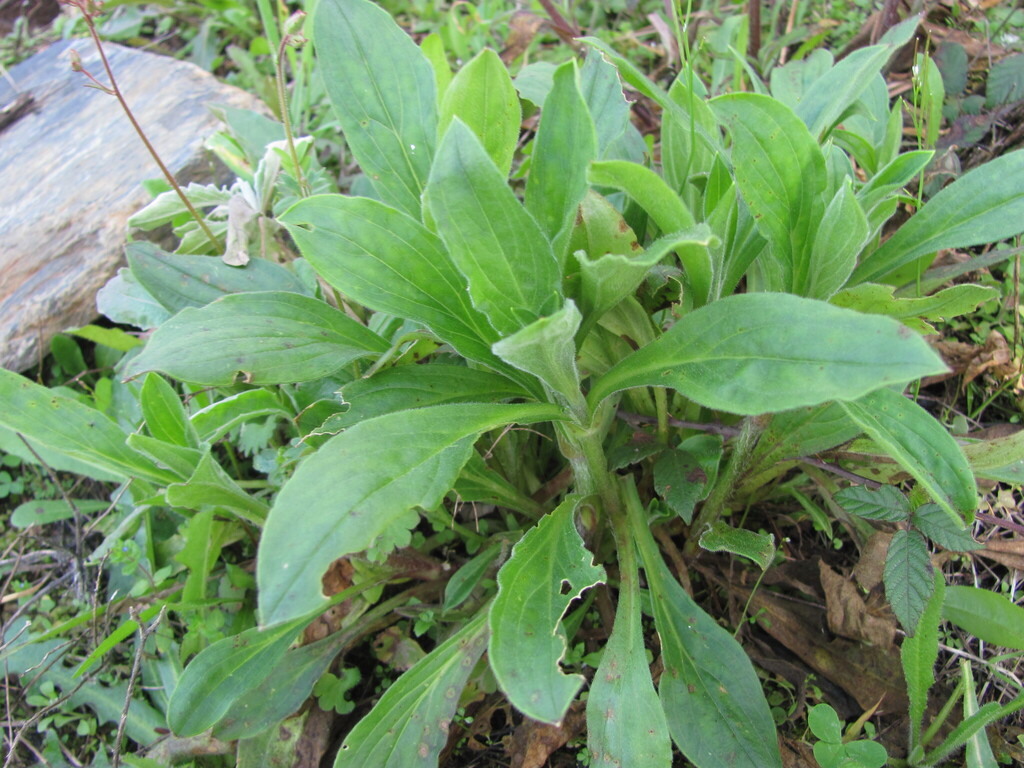
- Opposite lance shaped hairy leaves
- Sticky stems and foliage
- Height
- 0.3 to 0.8m
- Spread
- 0.2 to 0.4m
- Leaves
- green, deciduous
- Flowers
- white, 2 to 3cm
- Fruit
- brown, Late summer
Problems to watch for
- Rust · Fungal infection causing orange pustules on the undersides of leaves.
Check your white campion from a photo
Pocket Botanist looks at a photo of your plant and tells you what's wrong and what to try first.
Scan with your phone's camera to get the app
Or go to pocketbotanist.app/get on your phone
Growing it
- Propagation
- seed
- When to plant
- spring, autumn
- Overwintering
- The plant dies back to a basal rosette in winter. Simply clear away dead flower stalks in late autumn or early spring.
- In containers
- It is not typically grown in containers as it has a long taproot that prefers deep, open ground.
Plant in drifts with other meadow wildflowers to support local moth populations.
Grows well with
- Red Campion · They share similar growing conditions and often hybridize in meadow settings.
- Oxeye Daisy · These plants provide a classic wildflower meadow aesthetic.
Similar species
- Red Campion · It is a very close relative with pink flowers instead of white.
Science
- Family
- Caryophyllaceae
- Genus
- Silene
- Order
- Caryophyllales
- Class
- Magnoliopsida
- Native range
- Europe, Western Asia, and Northern Africa.
- Conservation
- It is a common weed in many regions and is not of conservation concern.
It thrives in disturbed habitats like roadsides and meadows by colonizing bare soil quickly.
- Value to wildlife
- nectar source
- Pollinators
- moths, bees
- Uses
- wildflower meadows, pollinator gardens
Through the year
Ecological indicators
- Salinity
- 1/9
- Soil reaction
- 6/9
- Light
- 7/9
- Temperature
- 5/9
- Moisture
- 5/9
- Nutrients
- 6/9
Taxonomy resolved against GBIF.
Questions people ask
- Is it invasive?
- It is considered a naturalized weed in North America and can spread quickly in disturbed soil.
- Does it need full sun?
- Yes, it performs best in full sun to light shade.
Where the name comes from
The name Silene is thought to derive from the Greek woodland deity Silenus, who is often depicted as covered in foam, similar to the sticky secretions of some species in this genus.
Good to know
- It is commonly known as white campion.
- The flowers are dioecious, meaning male and female flowers grow on separate plants.
- It often hybridizes with red campion in the wild.
Keep your white campion growing
This page is a general guide. Save your plant in Pocket Botanist and you get care reminders timed for this plant, plus a care history that shows what worked.
Scan with your phone's camera to get the app
Or go to pocketbotanist.app/get on your phone
This guide was generated with AI on and checked against GBIF taxonomy. It is general information, not horticultural or veterinary advice. Read about how we build these guides.