 Pocket Botanist
Plant guide
Eared willow.
Salix aurita
Pronounced SAY-liks aw-RY-tuh
Also known as Eared Willow



Scan with your phone's camera to get the app
Or go to pocketbotanist.app/get on your phone
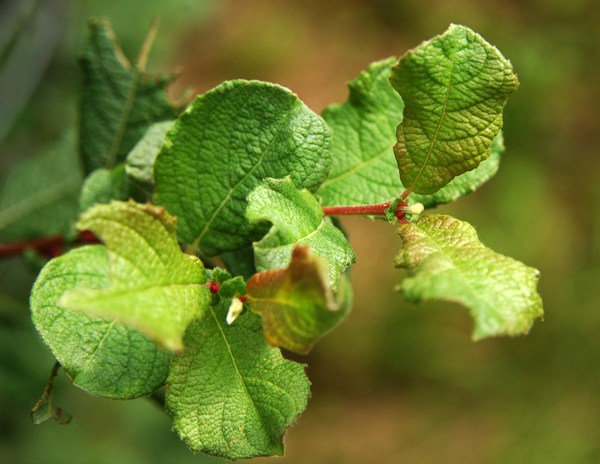
The eared willow is a charming, small shrub that loves damp, boggy ground. It gets its name from the small, ear-like stipules found at the base of its leaves. It is a fantastic choice for supporting local wildlife in wetter garden spots.

At a glance
- Care level
- Easy
- Plant type
- Deciduous shrub
- Light
- Full sun to partial shade
- Indoor light
- Bright indirect
- Water
- Every 2 to 5 days
- Mature size
- 2 to 3 meters
- Growth rate
- Medium
- Hardiness
- USDA 3 to 8
- Bloom time
- Early to mid spring
Care
Keep the soil consistently moist as this plant thrives in wet conditions. Watch for aphids on new growth during the spring. Prune back occasionally to maintain a tidy shape and encourage fresh stems.
- Watering
- Keep the soil very damp, as this willow does not like to dry out.
- Feeding
- A light application of balanced fertilizer in early spring is plenty.
- Pruning
- Prune in late winter or early spring to remove dead wood and shape the shrub.
- Repotting
- Repot only if the plant becomes rootbound in its container.
- Soil
- Moist, acidic, boggy soils
- Soil pH
- Acidic to neutral
- Temperature
- -30 to 25°C
- Humidity
- 60 to 90%
Safety
- People
- The plant is not considered toxic, but the bark contains compounds that mimic aspirin.
- Children
- The long, flexible stems are fun for play but can pose a minor eye-poking risk if children run through the shrub.
- Contact allergens
- The foliage can cause mild skin irritation in sensitive individuals.
- Airborne allergens
- The pollen is windborne and may cause hay fever symptoms during the spring bloom.
- Edibility
- The bark contains salicin which can cause reactions in people sensitive to aspirin.
How to identify it
- Small, rounded, wrinkled leaves
- Ear-like stipules at leaf bases
- Densely branched, bushy habit
- Yellowish catkins in spring
- Height
- 1 to 3m
- Spread
- 1 to 3m
- Leaves
- green, gray-green, deciduous
- Flowers
- yellow, gray, 1 to 3cm
- Fruit
- brown, Late spring
Problems to watch for
- Willow anthracnose · Fungal infection causing dark spots and leaf drop.
- Aphids · Small insects that suck sap from new growth.
Check your eared willow from a photo
Pocket Botanist looks at a photo of your plant and tells you what's wrong and what to try first.
Scan with your phone's camera to get the app
Or go to pocketbotanist.app/get on your phone
Growing it
- Propagation
- cuttings, seed
- When to plant
- spring, autumn
Group this willow with other moisture-loving plants to create a cohesive bog garden aesthetic.
Grows well with
- Purple Moor Grass · They both thrive in the same damp, acidic soil conditions.
- Marsh Marigold · This perennial adds bright color to the wet ground beneath the willow.
Similar species
- Goat Willow · It is a larger relative that also enjoys damp conditions.
Science
- Family
- Salicaceae
- Genus
- Salix
- Order
- Malpighiales
- Class
- Magnoliopsida
- Native range
- Europe and western Asia.
- Conservation
- It is common and not of conservation concern.
It grows in damp heaths, marshes, and bogs where its roots can tolerate low oxygen levels.
- Value to wildlife
- early nectar source, larval host plant
- Pollinators
- bees, butterflies
- Uses
- wetland restoration, ornamental shrub, basketry material
Through the year
Ecological indicators
- Salinity
- 1/9
- Soil reaction
- 5/9
- Light
- 7/9
- Temperature
- 3/9
- Moisture
- 8/9
- Nutrients
- 4/9
Taxonomy resolved against GBIF.
Questions people ask
- Does it need a lot of water?
- Yes, it prefers consistently moist to wet soil.
- Can I grow it in a dry garden?
- It will struggle unless you provide significant supplemental irrigation.
Where the name comes from
Salix is the ancient Latin name for willow, while aurita refers to the ear-like stipules found on the twigs.
Good to know
- The name aurita means eared, referring to the small leaf-like stipules at the base of the leaves.
- It is a very hardy shrub that handles cold northern climates with ease.
- It often hybridizes with other willow species in the wild.
Keep your eared willow growing
This page is a general guide. Save your plant in Pocket Botanist and you get care reminders timed for this plant, plus a care history that shows what worked.
Scan with your phone's camera to get the app
Or go to pocketbotanist.app/get on your phone
This guide was generated with AI on and checked against GBIF taxonomy. It is general information, not horticultural or veterinary advice. Read about how we build these guides.