 Pocket Botanist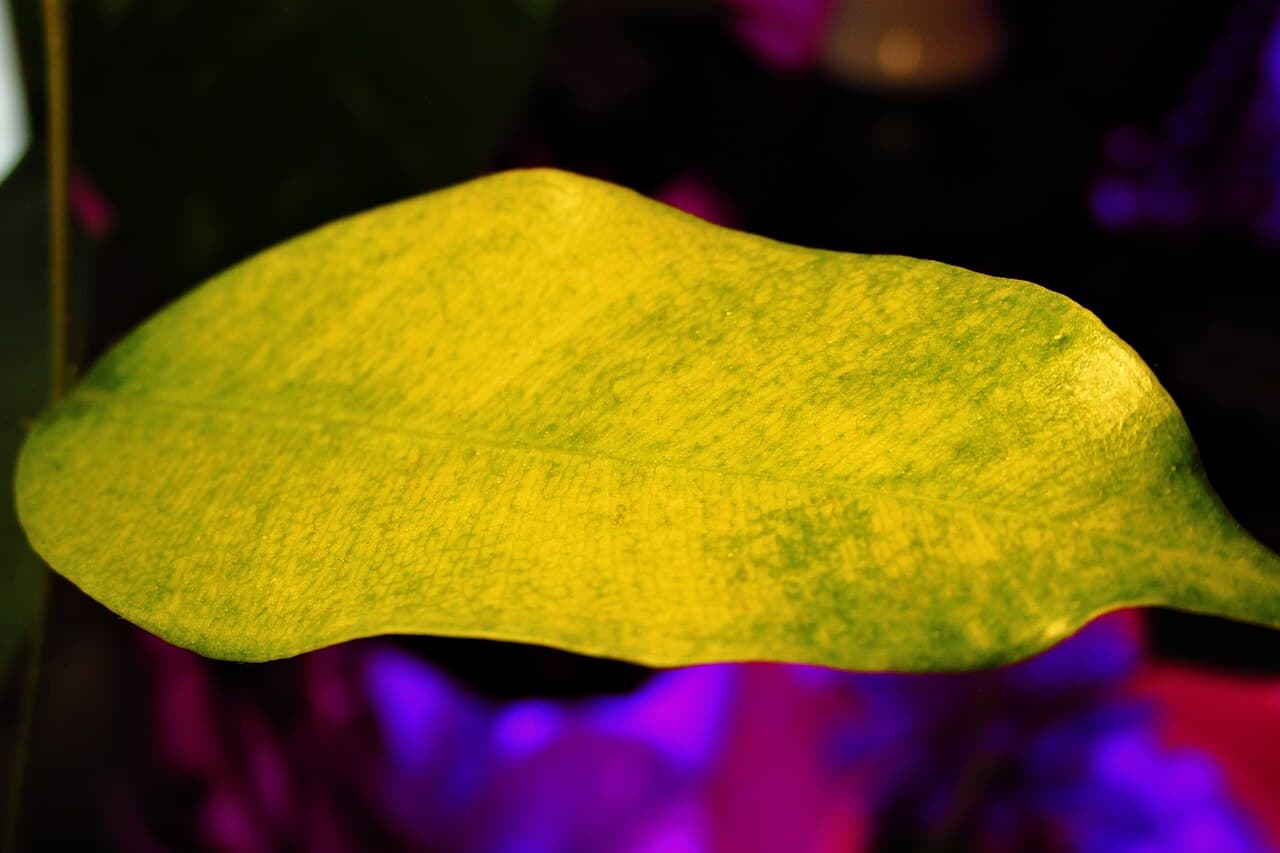
.jpg)
Check these first
- Check if the soil is soggy or waterlogged.
- Ensure the pot has drainage holes at the bottom.
- Look for signs of pests that might be stressing the plant.
Likely causes
Overwatering
Most likelyHow to tell: The leaves turn yellow and feel soft or mushy. You might notice a damp or swampy smell coming from the pot.
What to do: Reduce your watering frequency immediately and ensure the pot has good drainage. If the soil is waterlogged, repot the plant into fresh, well draining soil.
Nutrient deficiency
PossibleHow to tell: The leaves turn a pale yellow, often starting with the older leaves first. The plant may also show slow growth.
What to do: Apply a balanced liquid fertilizer diluted to half strength once a month during the growing season. Do not fertilize during the winter months when growth slows down.
When to worry
A single yellow leaf at the base of the plant is often just an old leaf dying off naturally. If multiple leaves turn yellow at once, it is a sign of a deeper issue that needs attention.
Stopping it coming back
Only water when the top inch of soil feels slightly dry to the touch. Always empty the saucer under the pot so the roots never sit in standing water.
Not sure which one it is? Photograph your snake fruit.
This page lists the usual causes. Pocket Botanist looks at your actual leaf and tells you the likely cause, how serious it is, and what to try first. Identification and a health check are free.


Questions people ask
- Can too much light cause yellow leaves?
- Yes, direct sunlight can scorch the leaves and cause them to yellow or bleach. Keep your plant in bright, indirect light.
- How do I know if I am overwatering?
- If the soil stays wet for more than a week or if you see water sitting in the saucer, you are likely overwatering. The soil should be moist, not saturated.
More problems with Snake fruit
This article was generated with AI from the plant’s care profile and is general information, not horticultural advice. Read about how we build these guides.